


Oil Depot Tank Farm Thunderstorm Warning System
Other Products



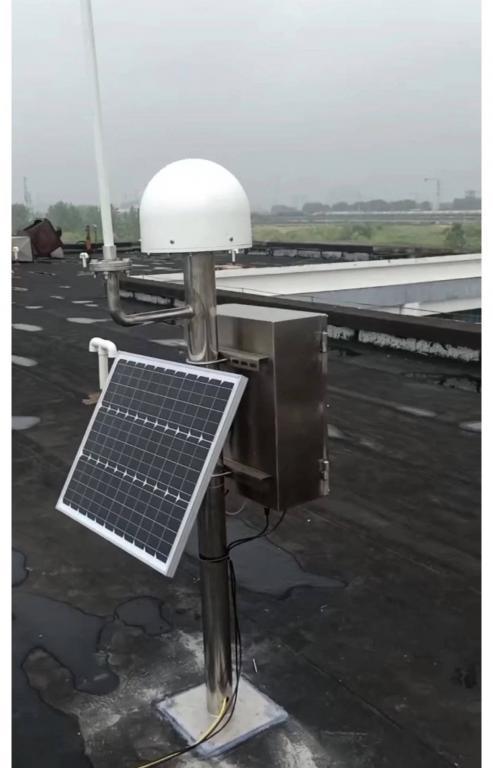
Environmental characteristics of petrochemical sites: Most raw materials and finished products are flammable and explosive substances; petrochemical structures are mostly composed of towers, tank containers, and equipment that are often exposed to air. These include heaters, air compressor pump rooms, production unit pumps, and numerous metal pipelines interconnected. They operate under high temperature and pressure with continuous production. These specific characteristics determine their high risk—such as the occurrence of fires and other disasters, leading to significant economic losses and casualties.
The impact of lightning on petrochemical plants is primarily manifested during thunderstorms, where equipment can instantaneously experience voltages exceeding their operational limits, triggering safety incidents. Lightning protection in the petrochemical industry is extremely complex and requires higher standards. Stable lightning protection is essential, and comprehensive, effective protection is particularly important. Key areas of focus for lightning protection in the petrochemical industry include lightning warning, direct strike protection, grounding systems, oil refining, storage facilities, and surge protection for gas station equipment.
The role of lightning monitoring and warning is to provide sufficient time to activate emergency defense plans before a thunderstorm arrives, mitigating the extent of harm: reducing the risk of personnel injury and economic losses. There is a complete set of safe, reliable, and economical management solutions, along with proactive responses to disasters. For example, timely evacuation of personnel at risk, preparing for disasters, and putting a series of emergency measures on alert. Since changes in atmospheric electric field strength are closely related to lightning occurrences and heavy precipitation, they are often used in lightning warning systems. Atmospheric electric field instruments feature real-time output of lightning warning signals, with pre-set internal algorithms ensuring high warning accuracy.
;1. Capable of issuing lightning warning signals 5–30 minutes before a lightning strike occurs;
2. Alerting field personnel to promptly stop or suspend outdoor operations, move to safe areas to avoid lightning, and prevent lightning injuries;
3. For operations that could cause significant harm, taking appropriate measures before a lightning strike to prevent major lightning incidents;
4. Implementing automatic switching systems to isolate power supply lines from lightning, automatically switching to UPS or starting generator sets to protect important equipment or uninterrupted valuable services;
5. Providing protection against environmental disasters, such as forest fires.
The lightning warning systems produced by our company can be flexibly installed according to the requirements of the usage scenario: fixed lightning warning systems, vehicle-mounted lightning warning systems, and portable lightning warning systems. Based on customer needs, they can be categorized as: wired or wireless. Camouflage coating is also available.
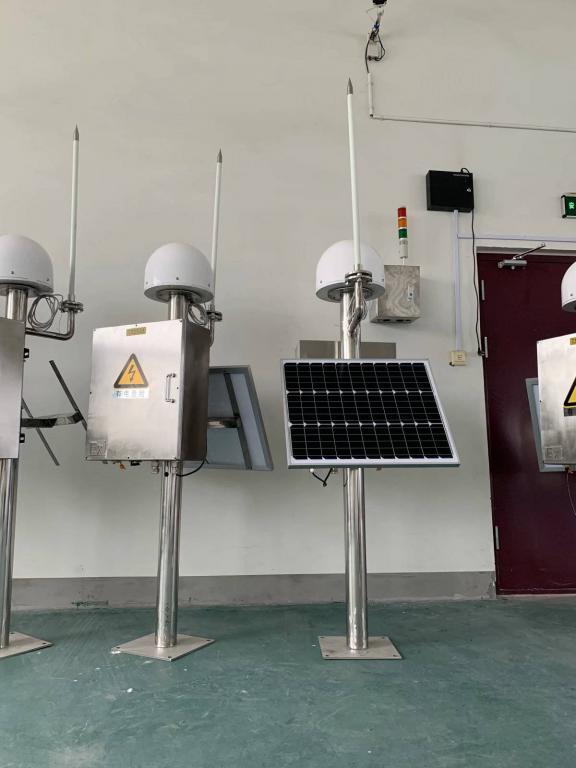
An ideal lightning monitoring system should possess:
1. The ability to accurately and timely monitor all direct lightning strikes, regardless of the lightning current magnitude, the point of strike on the wind turbine, or the path the current takes through the turbine.
Most existing lightning monitoring systems have recorders installed on the down conductors inside the turbine. This installation and operation method only records lightning currents that pass through the down conductor. However, in reality, lightning currents can reside in various parts of the turbine, with electromagnetic fields permeating the entire tower. Therefore, lightning currents passing through other components are not recorded, reducing the accuracy of the monitoring system.
2. The monitoring system should only monitor direct lightning strikes and not record lightning strikes on nearby turbines.
Many regions in our country experience intense thunderstorm activity, coupled with high turbine density. Each lightning strike produces a vast electromagnetic field covering a large area, resulting in overlapping electromagnetic fields from adjacent turbines. If direct lightning strike information cannot be accurately recorded, the control center cannot precisely locate the struck turbine.
3. The monitoring system should promptly send lightning strike alerts to the control center.
When a direct lightning strike hits a turbine, it is crucial to immediately feedback and send an alert to the control center so that quick decisions can be made to minimize losses.
4. The operation of the system should not affect sensitive components inside the turbine, such as the control system.
The monitoring system must operate independently without causing damage or interference to other components. Otherwise, it would increase operational costs and instability.
5. The system should operate stably for many years. Even if no lightning strikes occur for extended periods after installation, it should still record normally when a strike does happen.
The cost of inspecting or replacing components for each turbine is significant. Therefore, the operational stability and longer lifespan of the lightning monitoring system can reduce turbine operating costs.
6. The system should operate and record lightning strikes normally even when the turbine is powered down.
If the turbine needs to be shut down for other reasons, the lightning monitoring system must continue to operate normally, recording lightning strikes and issuing alerts.
7. The system must save lightning strike alerts and retain alert information until the control center responds.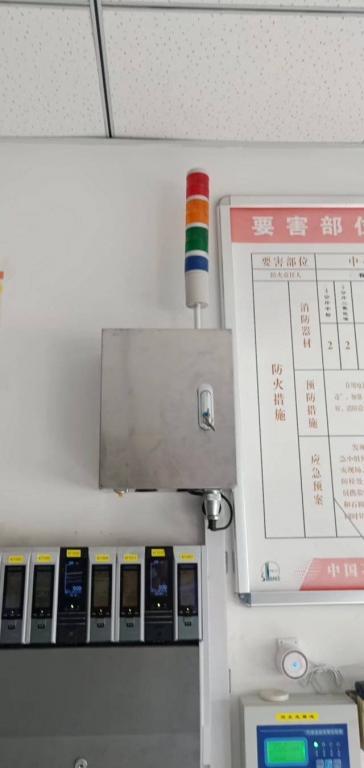
| Industry Category | Others |
|---|---|
| Product Category | |
| Brand: | 邦信 |
| Spec: | AA |
| Stock: | 100 |
| Manufacturer: | 河南邦信防腐材料有限公司 |
| Origin: | 114101 |


