


Graphene-based FPC circuit board
Contact Info
- Add:Room 202, Factory Building F, Zhongxi Industrial Park, Tongfuyu Industrial Zone, Buyong Community, Shajing Subdistrict, Bao'an District, Shenzhen, Zip: 518100
- Contact: 戴希根
- Tel:0755-23703482
- Email:dai15172070680@163.com
Other Products


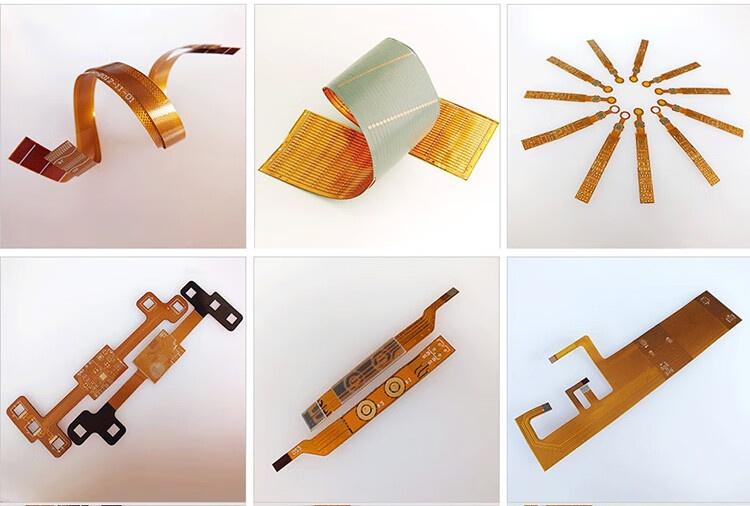
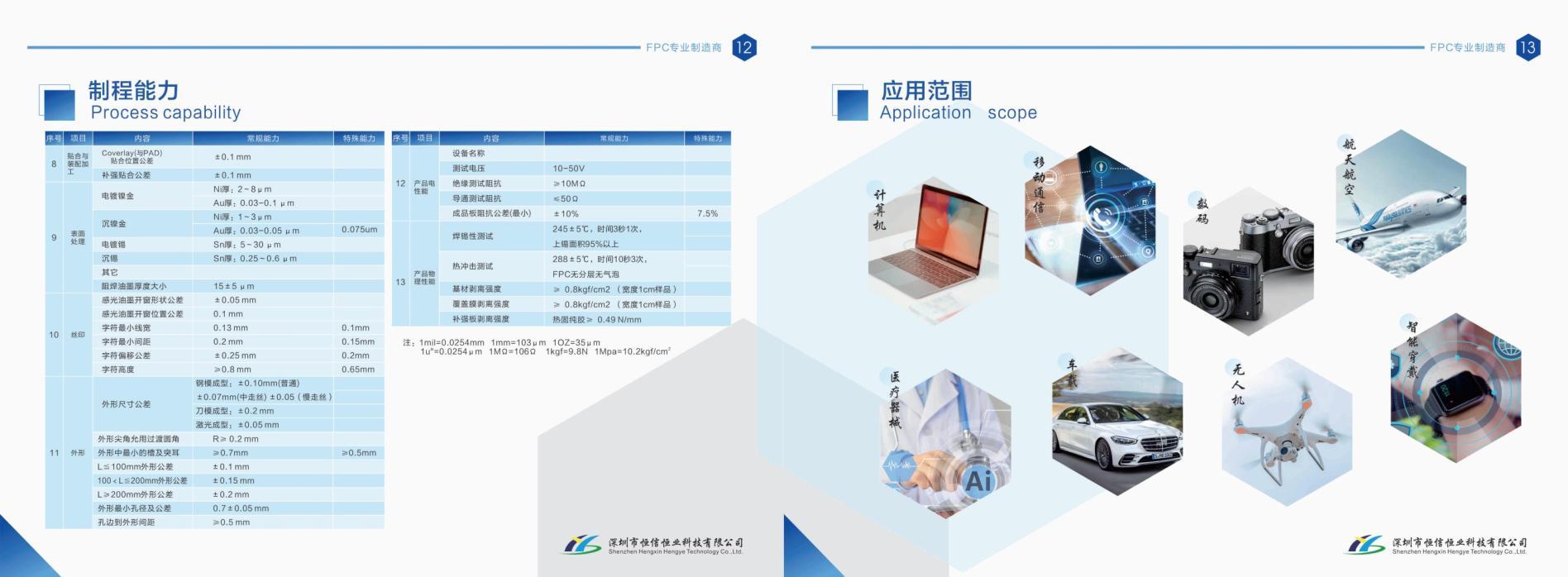
Flexible Printed Circuit Board (FPC), also known as "FPC flexible board", is a printed circuit made from flexible insulating substrate materials, offering many advantages that rigid printed circuit boards do not possess. For example, it can be freely bent, wound, folded, and arranged according to spatial layout requirements, allowing movement and expansion in three-dimensional space, thereby achieving integration of component assembly and wire connection. The use of FPC flexible boards can reduce the volume of electronic products, meeting the needs of electronic products developing towards high density, miniaturization, and high reliability. Therefore, FPC flexible boards are widely used in fields or products such as aerospace, military, mobile communications, laptops, computer peripherals, PDAs, and digital cameras. FPC flexible boards also offer good heat dissipation, solderability, ease of assembly, and relatively low overall costs. The combination of rigid and flexible designs also compensates to some extent for the slight deficiency of flexible substrates in component load-bearing capacity. Flexible printed circuit boards can be categorized into single-sided, double-sided, and multi-layer boards. The base material used is primarily polyimide copper-clad laminate. This material has high heat resistance and excellent dimensional stability, and is pressed together with a cover film that provides both mechanical protection and good electrical insulation to form the final product. For double-sided and multi-layer printed circuit boards, the surface and inner layer conductors are connected through metallization to achieve electrical connectivity between inner and outer layer circuits. The functions of flexible circuit boards can be divided into four types: lead lines, printed circuits, connectors, and integrated function systems, with applications covering computers, computer peripheral auxiliary systems, consumer appliances, and automotive fields. FPC flexible boards (1) can be freely bent, wound, folded, and arranged according to spatial layout requirements, allowing movement and expansion in three-dimensional space, thereby achieving integration of component assembly and wire connection; (2) the use of FPC can reduce the volume and weight of electronic products, meeting the needs of electronic products developing towards high density, miniaturization, and high reliability. Therefore, FPC flexible boards are widely used in fields or products such as aerospace, mobile communications, laptops, computer peripherals, PDAs, and digital cameras; (3) FPC flexible boards also offer good heat dissipation, solderability, ease of assembly, and relatively low overall costs. The combination of rigid and flexible designs also compensates to some extent for the slight deficiency of flexible substrates in component load-bearing capacity. FPC flexible boards offer many advantages, such as space savings, weight reduction, and high flexibility. Global demand for flexible circuit boards is increasing year by year. The characteristics of flexible circuit boards make them a replacement for rigid circuit boards and traditional wiring solutions in many scenarios, while also driving development in many new fields. The fastest-growing area is internal connection lines for computer hard disk drives (HDD), followed by new integrated circuit packaging. The market potential for flexible circuit technology in portable devices (such as mobile phones) is very large.
 37
37
| Industry Category | Electronic Components & Supplies/Integrated Circuits/Other Integrated Circuits |
|---|---|
| Product Category | |
| Brand: | HXHYfpcb |
| Spec: | DXF-2025-06-001 |
| Stock: | 1 |
| Manufacturer: | 深圳市恒信恒业科技有限公司 |
| Origin: | 114403 |


