


Stainless Steel High-Efficiency Oil-Water Separator

Contact Info
- Add:Xindeng, Fuyang District, Hangzhou City, Zip: 310021
- Contact: 朱赛萍
- Tel:13606607916
- Email:3058611582@qq.com
Other Products
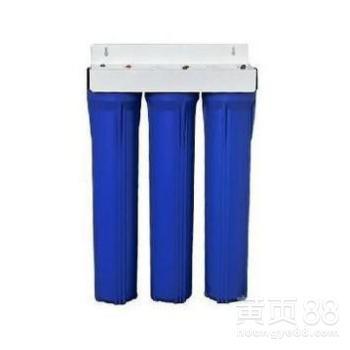

Stainless Steel High-Efficiency Oil-Water Separator
【1】Detailed Introduction of Stainless Steel Oil-Water Separator: Working Principle
Gravity Separation Method: When oily wastewater enters the separator, due to the difference in density between oil and water, oil droplets gradually rise to the surface under gravity, while water flows downward, achieving preliminary oil-water separation. For example, underground restaurant grease interceptors use a debris basket to trap solid debris. After the oily wastewater enters the second stage, oils of different specific gravities are separated and stratified. Upon entering the third stage, small oil particles such as suspended oil continue the oil-water separation process by leveraging density differences.Coalescence Separation Method: By installing devices such as corrugated plate coalescers and fiber aggregators, small oil droplets collide and coalesce with each other, gradually forming larger oil droplets, making it easier to separate from water. When oily wastewater flows through the corrugated plate coalescer, small oil droplets collide and coalesce as if in a "growth training camp," gaining strength before reaching the oil collection chamber.Air Flotation Separation Method: A micro-bubble generator produces a large number of tiny bubbles. Grease adheres to these bubbles and, through continuous collision in the coalescing element, oil particles grow from small to large. Accelerated movement enables the separation and stratification of oil and water, with floating oil rising to the surface. Structural ComponentsInlet and Mechanical Grille: Oily wastewater enters the separator through the inlet, where a mechanical grille filters out coarse, large particles, and residues to prevent these impurities from entering subsequent treatment units and causing blockages or affecting separation efficiency.Oil-Water Separation Zone: This is the core area where various separation technologies, such as gravity separation and coalescence separation, enable effective oil-water separation.Oil Collection Device: Used to collect the separated floating oil. Common devices include oil collection tanks and oil collection pipes, which allow the collected floating oil to be discharged into oil barrels for recycling.Drainage Outlet: After treatment, water that meets discharge standards is discharged through the drainage outlet and can be directed into municipal sewer pipes or undergo further treatment.Oil Skimming Device: Some separators are equipped with oil skimming devices that scrape floating oil from the water surface into the oil collection tank, improving oil collection efficiency. For example, intelligent air flotation series grease interceptors typically feature mechanical automatic oil skimming devices.
Product FeaturesMaterial Advantages: Made of stainless steel materials such as SUS304 and SUS316, which offer excellent corrosion resistance, oxidation resistance, and high strength. These materials can withstand various corrosive factors in kitchen wastewater, ensuring long-term stable operation in harsh environments and extending service life.High-Efficiency Separation: Capable of removing over 90% of floatable oil with a particle size above 60μm. The content of animal and vegetable oils in the discharged wastewater is lower than the tertiary standard (100mg/l) specified in the "Integrated Wastewater Discharge Standard" (GB8978-1996), effectively reducing the oil content in wastewater and alleviating the burden on subsequent wastewater treatment.Compact Structure: Designed to be compact with a small footprint, making it easy to install and use in limited spaces such as kitchens and basements, thereby improving space utilization.Easy Maintenance: Reasonable structural design facilitates cleaning and maintenance. Some devices also offer advantages such as no need for cleaning, anti-overflow, low load, and low noise, reducing maintenance costs and the incidence of equipment failures.Environmentally Friendly and Energy-Efficient: Helps reduce environmental pollution caused by grease and promotes environmental protection. Additionally, it consumes low energy during operation, aligning with the concept of energy conservation and environmental protection. Application AreasCatering Industry: Widely used in hotels, restaurants, canteens, and other establishments to treat oily wastewater discharged from kitchens, preventing grease from clogging sewers and protecting the environment.
Selection PointsTreatment Capacity: Choose an appropriate model based on the actual volume of oily wastewater to be treated, ensuring the separator meets processing needs and avoiding insufficient treatment capacity or idle equipment.Installation Space: Consider the available space at the installation location and select a separator with a compact structure and suitable dimensions to adapt to on-site installation conditions.
Material Requirements: Select the appropriate stainless steel material based on the usage environment and the nature of the wastewater being treated. For example, SUS304 is suitable for general environments, while SUS316 is more resistant to highly corrosive environments.
Functional Requirements: Choose a separator with corresponding functions based on specific needs, such as automatic oil skimming, air flotation, or heating for oil melting. For instance, intelligent air flotation series grease interceptors add functions such as debris-water separation, debris discharge, air flotation, and automatic oil skimming on the basis of traditional grease interceptors, making them suitable for places with higher requirements for separation efficiency and automation. Stainless Steel Oil-Water Separator
| Industry Category | Machinery & Equipment/Filtration Equipment/Filter Cloth & Mesh |
|---|---|
| Product Category | |
| Brand: | 佳洁 |
| Spec: | 齐全 |
| Stock: | 10000 |
| Manufacturer: | 杭州佳洁机电设备有限公司 |
| Origin: | 113301 |


