


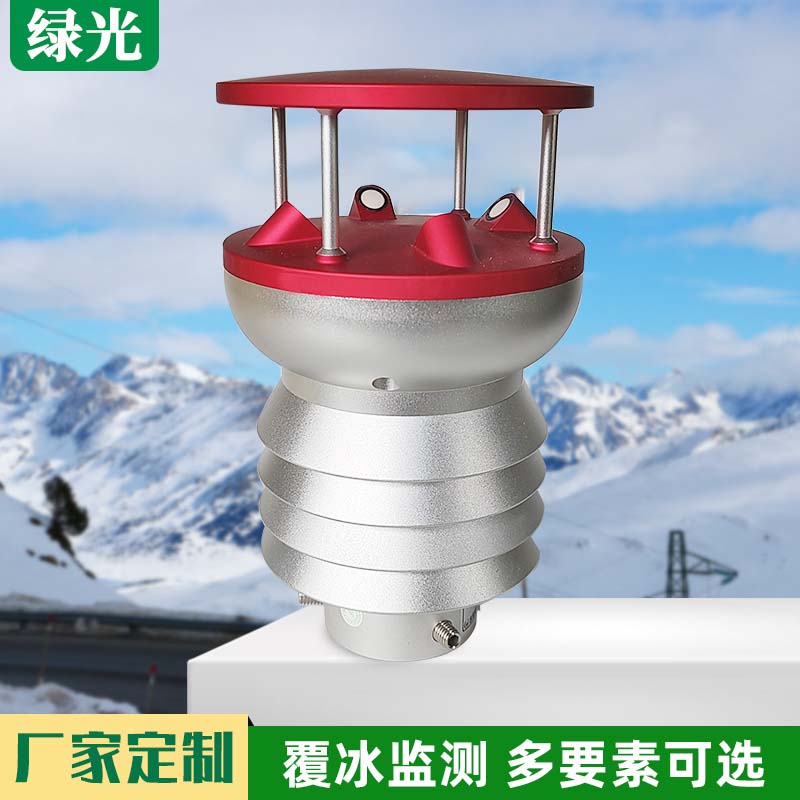
QJ13 Micro-Meteorological Sensor Algorithm Accurately Monitors Wind Speed, Wind Direction, Ambient Temperature, Humidity, Atmospheric Pressure, and Rainfall.
Other Products


In recent years, with the rapid development of China's power industry, the safe and stable operation of transmission and distribution lines has received increasing attention. Meteorological conditions, as one of the critical factors affecting the safety of these lines, make monitoring and early warning particularly important. Micro-meteorological sensors, as specialized meteorological monitoring devices, are playing an increasingly vital role in the application of transmission and distribution lines.
Dongguan Lvguang [QJ13] micro-meteorological sensors can monitor meteorological parameters along transmission and distribution lines in real time, providing a scientific basis for line operation and maintenance. These lines often traverse complex geographical environments with significant variations in climatic conditions along their routes. By deploying micro-meteorological sensors, real-time data on temperature, humidity, wind speed, wind direction, precipitation, and air pressure can be obtained. This data is crucial for assessing line operating conditions and predicting potential risks. For example, during high-temperature weather, conductors may expand due to heat, increasing sag and potentially causing ground discharge accidents. With temperature data monitored by micro-meteorological sensors, maintenance personnel can promptly adjust line operating parameters to prevent such incidents.
Micro-meteorological sensors are especially prominent in responding to extreme weather events. Typhoons, hail, heavy rain, and other extreme weather conditions can cause severe damage to transmission and distribution lines. In April 2025, a regional power grid experienced multiple line trips due to sudden severe convective weather. With real-time data provided by micro-meteorological sensors, the dispatch center can predict weather trends in advance and initiate emergency plans promptly. For instance, when wind speeds exceed design thresholds, reinforcement measures or operational adjustments can be implemented early to minimize losses. Additionally, micro-meteorological sensors offer valuable references for line design. When constructing new lines, historical data from these sensors along the route can help more accurately determine key parameters such as design wind speed and ice coating thickness, enhancing the line's disaster resistance.
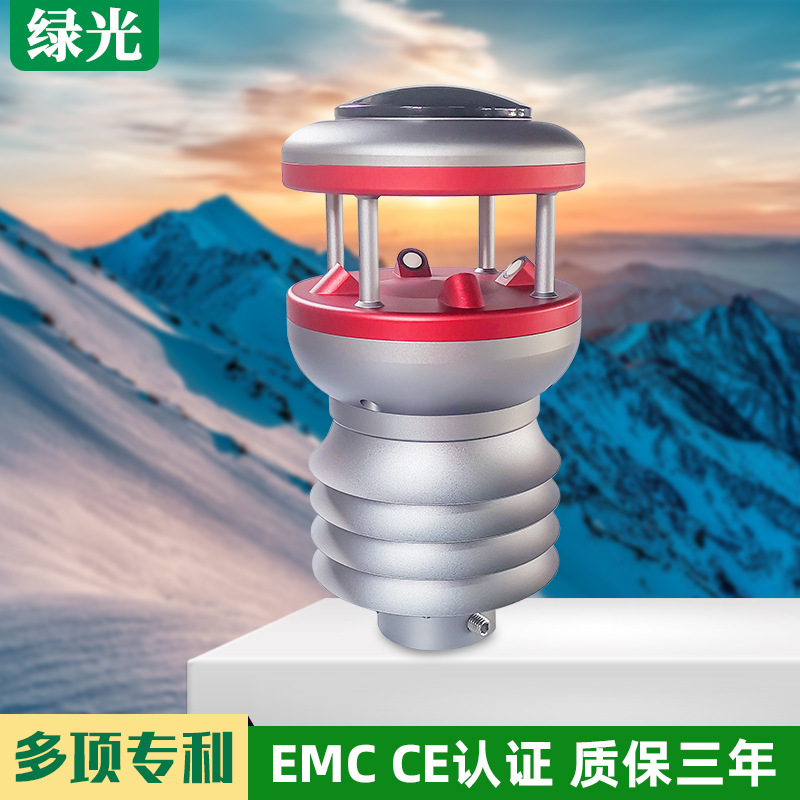
Micro-meteorological sensors also play a key role in lightning protection for transmission and distribution lines. Lightning is one of the main causes of line trips. Data on lightning activity monitored by these sensors can be used to create lightning density distribution maps, providing a basis for lightning protection design. During the thunderstorm season, real-time lightning monitoring helps maintenance personnel quickly locate lightning strike faults, reducing repair time. Some micro-meteorological sensors are equipped with atmospheric electric field meters, monitoring changes in electrostatic field strength in local areas and providing early warnings for potential lightning strikes.
In ice coating monitoring, micro-meteorological sensors are equally indispensable. Low-temperature rain and snow in winter can easily lead to ice coating on lines, which may cause tower collapses and wire breaks in severe cases. By monitoring parameters such as temperature, humidity, and precipitation type, combined with specialized ice monitoring devices, micro-meteorological sensors can accurately assess ice coating risks. When meteorological conditions conducive to ice formation are detected, the system automatically issues warnings, prompting the implementation of de-icing measures. For example, in a high-altitude area, line data from micro-meteorological sensors successfully predicted a severe ice coating process in late 2024, enabling the timely activation of DC de-icing devices and avoiding significant losses.
In the future, with technological advancements, the application of micro-meteorological sensors in transmission and distribution lines will become more extensive and in-depth. The proliferation of 5G communication technology will enhance the real-time performance and reliability of data transmission. The integration of satellite remote sensing technology with ground-based micro-meteorological sensors will enable weather monitoring over larger areas. The application of digital twin technology will allow meteorological data to deeply integrate with 3D line models, achieving more precise simulation analysis. It is foreseeable that intelligent meteorological monitoring systems will become an indispensable component in ensuring the safe operation of power grids.
Overall, micro-meteorological sensors act as "weather sentinels" for transmission and distribution lines, playing multiple roles in real-time monitoring, disaster warning, and operational optimization. As the power system's requirements for safety and reliability continue to increase, meteorological monitoring technology will undoubtedly innovate further, providing stronger support for the safe and stable operation of power grids. Power enterprises should prioritize the construction and improvement of meteorological monitoring systems, fully leverage the value of meteorological data, and continuously enhance the disaster resistance and maintenance capabilities of transmission and distribution lines.
| Industry Category | Others |
|---|---|
| Product Category | |
| Brand: | 东莞绿光 |
| Spec: | QJ13 |
| Stock: | 600 |
| Manufacturer: | 东莞绿光 |
| Origin: | 114419 |


