CAS No.: 9003-01-4
Structural Formula: 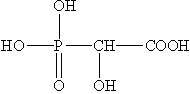
I. Properties and Applications
PAA is non-toxic, easily soluble in water, and can operate under alkaline and medium concentration conditions without scaling. PAA can disperse microcrystals or sediments of salts such as calcium carbonate and calcium sulfate in water to prevent precipitation, thereby achieving scale inhibition. PAA is a commonly used dispersant, not only serving as a scale inhibitor and dispersant in circulating cooling water systems in power plants, chemical plants, fertilizer plants, refineries, and air conditioning systems, but also widely used in industries such as papermaking, textiles, printing and dyeing, ceramics, coatings, and building materials. II. Technical Specifications Comply with GB/T10533—2000 Item | Specification | Appearance | Colorless to light yellow transparent liquid | Amber transparent liquid | Solid Content % ≥ | 30.0 | 50 | Free Monomer (as AA) % ≤ | 0.50 | 1.0 | Density (20℃) g/cm³ ≥ | 1.09 | 1.20 | pH (1% Aqueous Solution) | ≤3.0 | 3.0-4.5 | Intrinsic Viscosity (30℃) dl/g | 0.06-0.10 | -- |
Note: The company can customize polyacrylic acid with different molecular weights and solid contents such as 50% and 60% according to customer requirements. III. Usage Method
PAA is often used in combination with other water treatment agents. The specific formulation and dosage of PAA should be determined through testing based on the on-site water quality and equipment materials. When used alone, the typical concentration of PAA is 1–15 mg/L. For other applications such as concrete water reducers or printing and dyeing, the dosage should be determined through testing. IV. Packaging and Storage
PAA is packaged in plastic drums, 25 kg per drum. Store in a cool, indoor place. The shelf life is twelve months. V. Safety and Protection
PAA is weakly acidic. Pay attention to labor protection during operation. Avoid contact with skin and eyes. In case of contact, rinse thoroughly with plenty of water. | 


