


LORAWAN Urban Noise Sensor
Other Products


Noise pollution is a persistent issue for residents in urban environments. Recent studies estimate that nine out of ten people in major cities are exposed to noise levels exceeding guidelines on a daily basis. The health effects of excessive noise include sleep disturbance, hearing loss, cognitive impairment, and hypertension. Municipal noise ordinances aim to reduce noise pollution, but noise assessment and monitoring are infrequent and primarily complaint-driven. The City of Calgary has begun establishing a low-cost acoustic sensor network to continuously monitor noise in the urban environment. The IoT platform identified for this project: 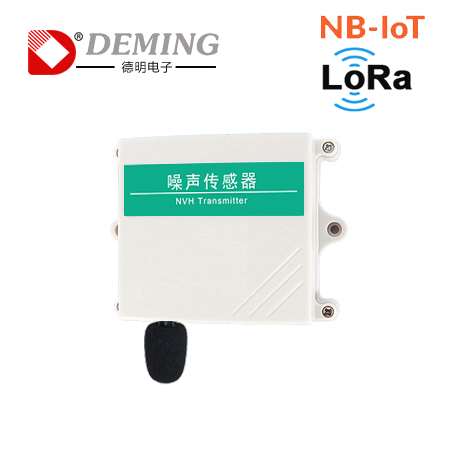

The results of implementing smart city noise monitoring applications through LoRa technology are significantly cheaper than using Wi-Fi. Achieving noise monitoring via Wi-Fi, a wireless transmission method, requires substantial resources to operate and maintain reliably. Therefore, some in the industry have proposed using LoRa technology in unlicensed low-power wide-area network bands to implement solutions without the need for power supply to the devices—only a battery is required.
Ad-hoc networks use low-power wide-area radio transceivers to achieve data transmission between nodes and network servers. LoRa-based sensors are battery-powered, easy to deploy, low-power to limit network maintenance, capable of continuous operation under extreme weather conditions, and have limited on-site data processing capabilities.

The development and testing of data analysis algorithms allow sensors to automatically detect and classify acoustic events. Researchers will use machine learning to distinguish between noise sources such as construction, traffic, and music.
To identify noise, several new LoRa-based sensors were placed during park events. Installed at various locations around the park, the sensors were programmed to calculate the average noise level every three minutes. When noise levels exceed 85 dBC, the sensors send warning packets via the LoRaWAN-based network. In the future, this feedback can be proactively provided to concert organizers to ensure compliance with noise limits.
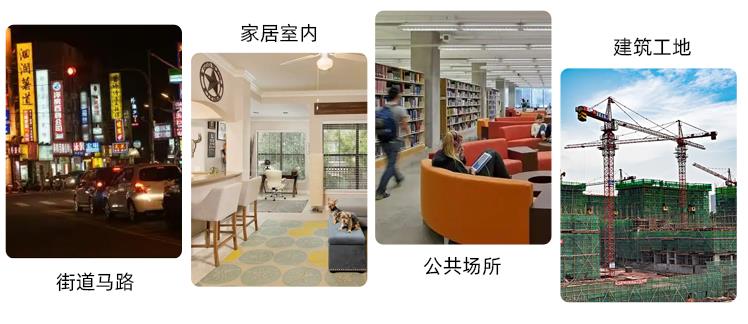
The next evolution involves classifying sounds such as trains, road noise, drag racing, and construction, and spatially correlating them in time and location. This data will help improve noise management and enforcement during public events, automatically alerting law enforcement when noise thresholds are exceeded, thereby saving the city time and money.
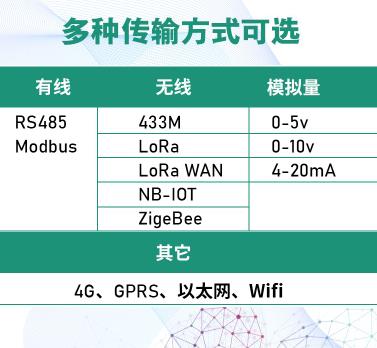
| Industry Category | Instruments & Meters/Specialized Instruments/Other Specialized Instruments |
|---|---|
| Product Category | |
| Brand: | 德明电子 |
| Spec: | NB-IOT |
| Manufacturer: | 内蒙古德明电子科技有限公司 |
| Origin: | 111502 |


