


Impact resistance and high load-bearing capacity test for iron floor.
Other Products


Breakthrough Developments in Test Bench Iron Floor Technology
In recent years, with the rapid advancement of rail transit technology, the test bench iron floor, as a core component of train manufacturing and testing, has witnessed multiple technological breakthroughs. These innovations not only enhance operational safety and stability but also lay a solid foundation for the intelligent and lightweight development of future high-speed railways. This article will delve into the technological innovation path of test bench iron floors and their industry impact, combining current trends.
1. Breakthroughs in Materials Science: The Leap from Traditional Steel to Composite Materials
Traditional iron floors often use carbon steel or weather-resistant steel. While these meet strength requirements, they suffer from issues such as heavy weight and insufficient corrosion resistance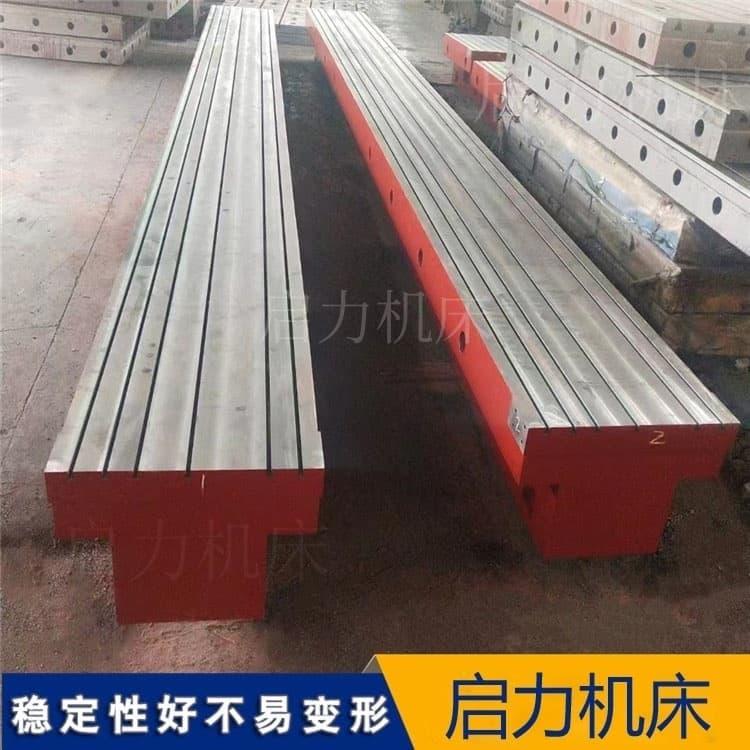
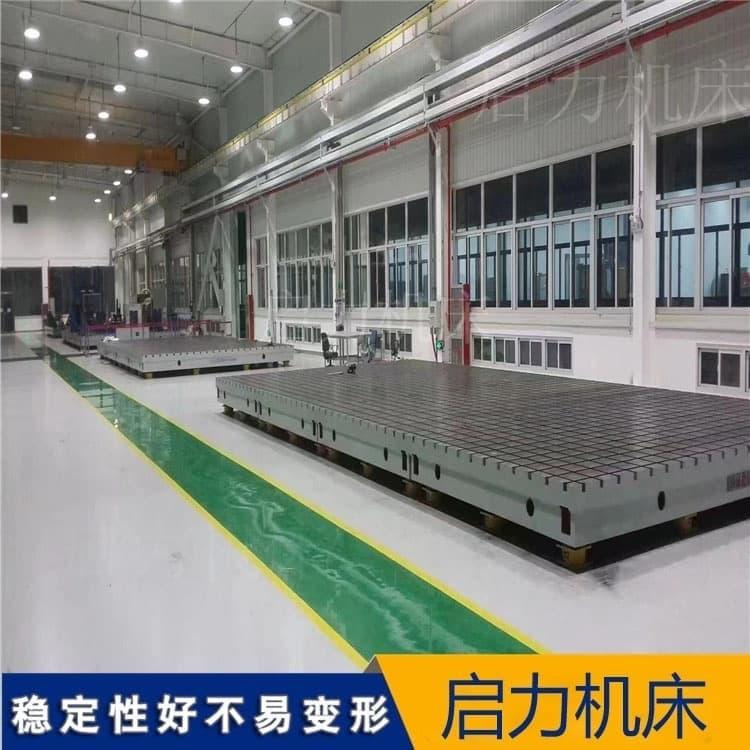
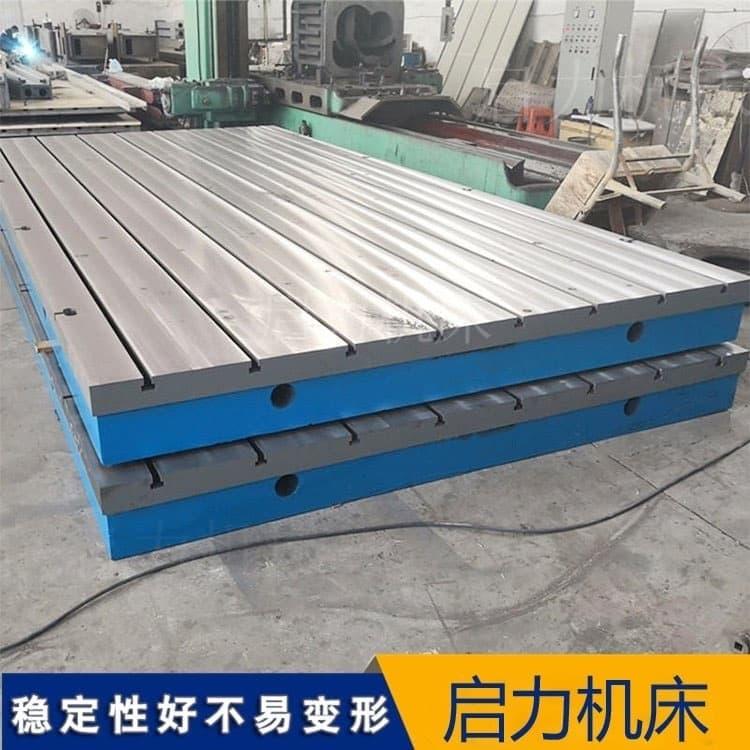
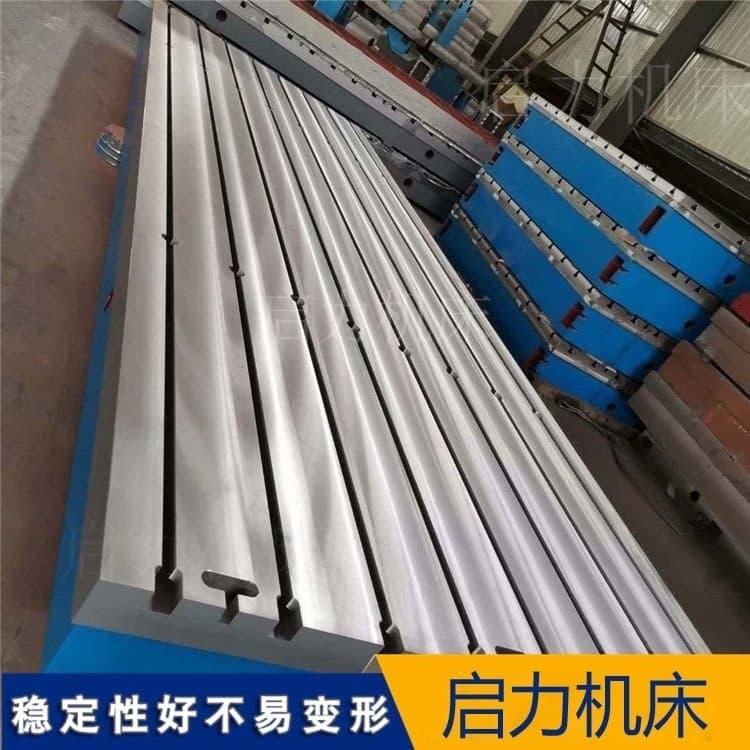 . Recently developed "modified aluminum alloy composite materials" have become a focal point. This material, enhanced with zirconia particles in an aluminum matrix, increases tensile strength by 40% and reduces weight by 35%, while maintaining excellent performance. In environments ranging from -40°C to 80°C, its deformation rate is below 0.1%, significantly outperforming the internationally recognized EN10025 standard.
Notably, the "bionic honeycomb sandwich structure" technology mimics the mechanical distribution of honeycombs, combining composite materials with lightweight design. Practical tests show that this structure, when subjected to a 200t dynamic load, has an energy absorption efficiency 60% higher than traditional steel plates, while consistently reducing vibration noise, offering a qualitative improvement in passenger comfort.
2. Integration of Intelligent Monitoring Systems
Iron floors are now embedded with distributed optical fiber sensor networks. By deploying micron-level strain sensors at key nodes, the system can monitor stress, temperature, and deformation data of the floor structure in real-time, achieving millisecond-level fault warnings through edge computing. For example, when micro-cracks in welds are detected, the system can automatically trigger maintenance instructions, addressing safety issues at their nascent stage.
"Digital twin" technology, through high-precision 3D modeling and physical field simulation, enables real-time mapping of the iron floor's service status in a virtual space. Technicians can adjust parameters to predict the material's lifespan decay curve under different operational conditions, upgrading maintenance cycles from "scheduled repairs" to "on-demand maintenance," potentially reducing operational and maintenance costs by 30%.
3. Collaborative Innovation in Modular Design and Green Manufacturing
Modularity has become a new trend in iron floor technology. Using standardized interface designs, the replacement time for a single module has been reduced from the 8 hours required for traditional welding to just 1.5 hours. This design not only improves maintenance efficiency but also makes floor upgrades possible—for instance, adapting to a new generation of bogies by merely replacing connectors, significantly extending the overall service life.
From material innovation to digital empowerment, the technological breakthroughs in test bench iron floors are reshaping the underlying logic of the rail transit industry. These advancements represent not only upgrades to individual components but also a microcosm of China's manufacturing shift toward intelligence and sustainability. With the deepening of industry-academia-research collaborative innovation, iron floors are poised to become "intelligent" units integrating structural support, data collection, and environmental perception, providing comprehensive solutions for the development of rail transit.
Qili Machinery Ms. Xie 13785751790
| Industry Category | Hardware & Tools/Rolling Bearings/Other Bearings |
|---|---|
| Product Category | |
| Brand: | 启力 |
| Spec: | 3000*5000 |
| Manufacturer: | 泊头启力机床 |
| Origin: | 111309 |


