


What equipment does the pest and disease control system consist of?
Contact Info
- Add:No. 7 Dongqing Street, Zhengzhou High-tech Industrial Development Zone, Zip: 450000
- Contact: 赵迪
- Tel:15937188346
- Email:zhaodinongye@163.com
Other Products


The pest and disease control system is an indispensable part of modern agricultural production. It employs various methods and technologies to effectively reduce the impact of pests and diseases on crops, thereby improving crop yield and quality. In this system, insect monitoring lamps and spore traps are two very important devices.
Insect Monitoring Lamp
The insect monitoring lamp is a top-tier physical control device that utilizes the phototaxis principle of insects, emitting specific wavelengths of light at night to attract pests. When pests are drawn to the light and approach the lamp, they are electrocuted by a high-voltage grid and fall into a collection bag. This device not only effectively reduces pest populations but also provides critical data support for subsequent pest and disease control efforts. Technicians can regularly collect and analyze the types and quantities of pests in the collection bags to understand pest dynamics and trends, offering important insights for developing scientific control strategies.
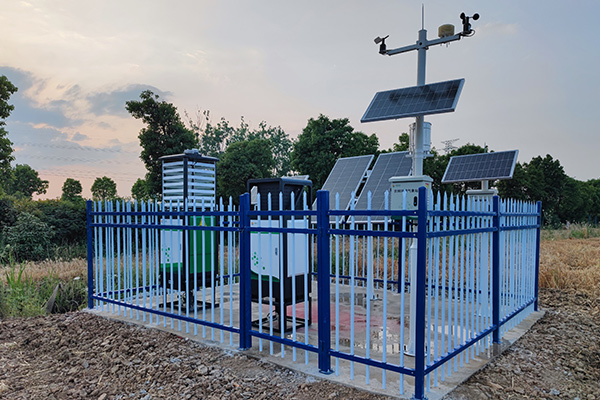
The advantage of the insect monitoring lamp lies in its automation and intelligence. Modern insect monitoring lamps integrate light, electricity, and digital control technologies, enabling automated processing and data upload functions. This means technicians can remotely monitor the device's operational status and access pest data in real time, significantly improving work efficiency and accuracy.
Spore Trap
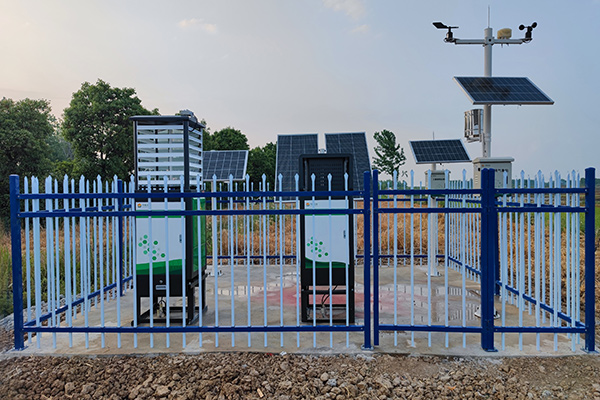
The spore trap is a device specifically designed for monitoring pathogenic spores of plant diseases. It uses a fan to draw in air and collect spores, after which technicians can observe and identify the collected spores using equipment such as microscopes. This device plays a significant role in predicting and preventing the occurrence of plant diseases.
The working principle of the spore trap is based on aerodynamics and microbiology. When air is drawn into the device, the spores are filtered and collected on a specific medium. Technicians can then examine these spores under a microscope to gather information about their species, quantity, and morphological characteristics. This information is crucial for assessing disease trends and formulating control measures.
Additionally, the spore trap offers advantages such as ease of operation and reliable, accurate data. It can monitor without disrupting normal crop growth, thus avoiding any adverse effects on agricultural production. Moreover, since it provides real-time disease data, it helps farmers take timely control measures to reduce crop losses caused by diseases.
Integrated Application
In pest and disease control systems, insect monitoring lamps and spore traps are often used together. By understanding pest dynamics and trends through insect monitoring lamps and combining this with spore trap data on the types and quantities of disease spores, farmers can develop more scientific and effective control strategies. This integrated approach not only enhances control effectiveness but also reduces pesticide usage and environmental pollution.
In summary, insect monitoring lamps and spore traps are indispensable devices in pest and disease control systems. They provide strong support for agricultural production through their unique working principles and advantages. In the future of agricultural production, as technology continues to develop and innovate, these devices will play an even more critical role.
| Industry Category | Others |
|---|---|
| Product Category | |
| Brand: | 河南兆迪 |
| Spec: | |
| Manufacturer: | 河南兆迪电子科技有限公司 |
| Origin: | 114101 |


