


Enhanced Layer Sealing Belt Repair Strip
Contact Info
- Add:South side of Juzhou Avenue Middle Road, Yanzhou District, Jining City, Shandong Province (East of the Overpass), Zip: 272100
- Contact: 乔经理
- Tel:13021785399
- Email:1915375899@qq.com
Other Products


Reinforced Layer Sealing Belt Repair Strips are suitable for industrial scenarios such as mines, ports, power plants, and cement plants. This product is made from special rubber composite materials, offering excellent wear resistance, tensile strength, and bonding performance. It can quickly restore the functionality of damaged belts and significantly extend their service life.
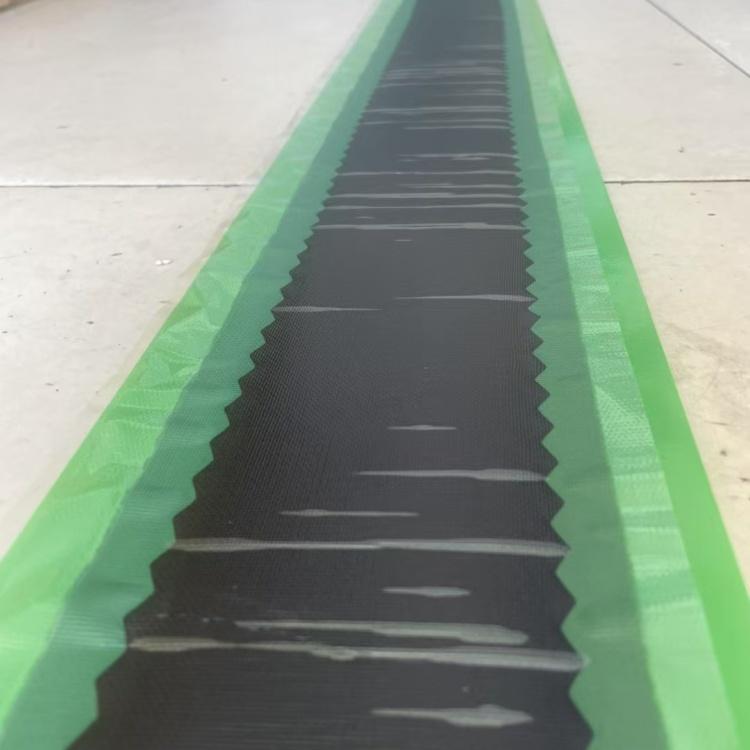
Repair strips are an advanced conveyor belt repair material characterized by a semi-vulcanized layer that provides ultra-strong adhesion to the belt, high tensile strength, quick repair, easy operation, time savings, and immediate use after repair. They are suitable for repairing long-distance scratches, penetrations, and edge wear of conveyor belts, local rubber layer damage repairs, and sealing cold seamless splices of belts.
Belt repair strips are industrial products used to repair longitudinal tears, local damage, and cold vulcanization joint sealing of conveyor belts. Made from polyurethane rubber material, they feature a pre-built semi-vulcanized layer and fabric layer structure, offering high tensile strength and strong wear resistance. The product allows for immediate use after repair, with the repair process quickly completed by applying cold vulcanization adhesive. It is widely used in emergency repair and maintenance scenarios in conveyor systems such as coal mines and power plants.
Applications of Repair Strips
Primarily used to address three types of damage occurring during conveyor belt operation:
Longitudinal Tear Repair: Enhances tensile strength through the fabric layer of the patch;
Joint Sealing Treatment: Used for edge protection in cold vulcanization processes;
Local Damage Repair: Fills surface defects such as scratches and wear;
Methods for Repairing Local Damage with Conveyor Belt Repair Strips:
1. Grinding the Conveyor Belt Wound: First, mark the outline of the wound (larger than the damaged area), then use a professional angle grinder with a moderately abrasive tungsten carbide grinding disc to grind the wound area until the surface shows a certain curvature and no protrusions remain.
2. Applying Adhesive: Clean the ground surface, then brush on the adhesive. Wait until it dries to a slightly tacky state but does not stick to the back of the finger. If the rubber damage in the wound area is too extensive, filling should be done first.
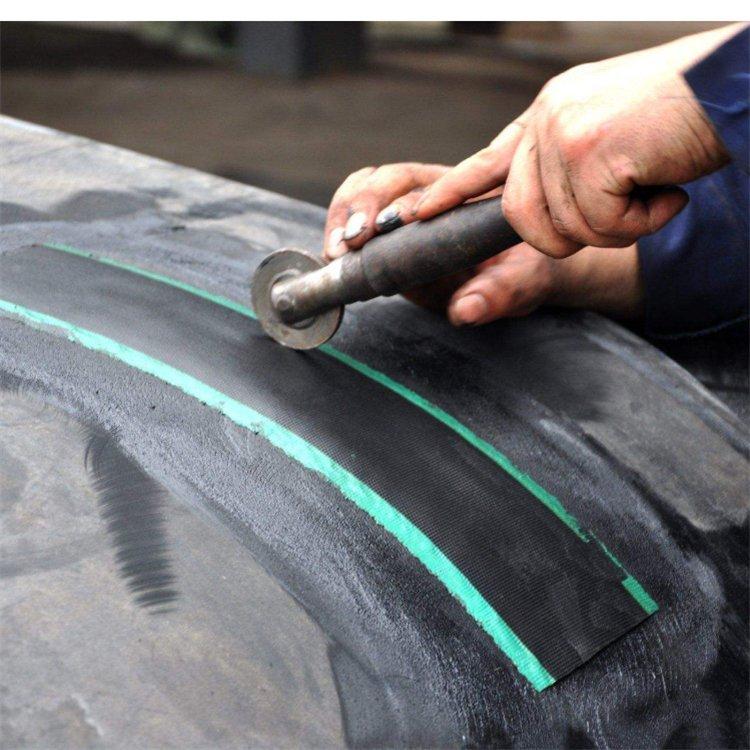
3. Applying the Patch: Adhere the repair patch to the wound area, avoiding trapping air during the process. Then use a pressure roller to compact the patch, rolling from the inside out to ensure it is firmly adhered and to expel air bubbles. 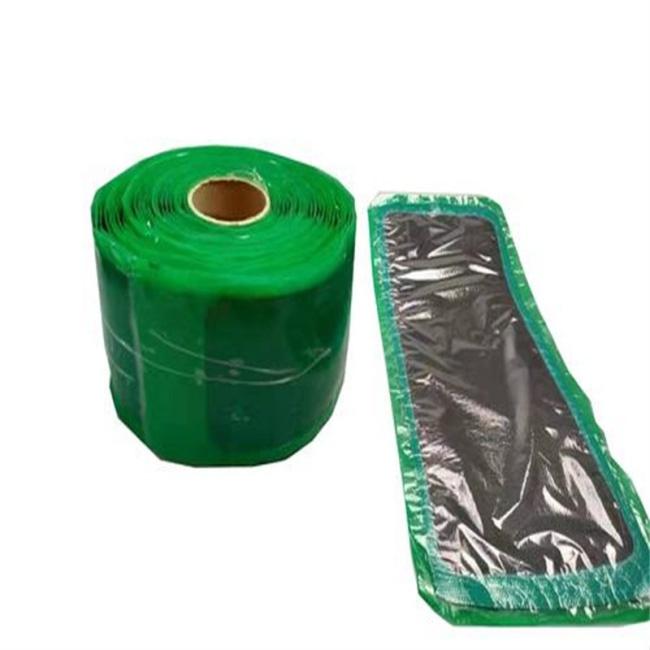
| Industry Category | Machinery & Equipment/Packaging Related Equipment/Sealing Machinery |
|---|---|
| Product Category | |
| Brand: | 众安 |
| Spec: | 3.2-6mm |
| Manufacturer: | 山东众安矿山机械设备有限公司 |
| Origin: | 113708 |


