


Dry-type transformer recycling, power transformer recycling
Contact Info
- Add:2nd Floor, Building 2, No. 1508 Kunyang Road, Minhang District, Shanghai, Zip: 200040
- Contact: 王爱军
- Tel:13788900568
- Email:982194168!qq.com
Other Products


Suzhou Dry-Type Transformer Recycling Company offers honest and reliable door-to-door recycling services for Suzhou power transformers, Suzhou used distribution transformer recycling, Shanghai power transformer recycling company, transformer recycling in Jiangsu, Zhejiang, Shanghai, and Anhui, various special dry-type transformers, box-type transformers, oil-immersed transformers, rectifier transformers, power transformers, furnace transformers, combined transformers, and other series. Recycled brands include Siemens, EKEA, Yijia, Xinying, Jingsai, Langtening, LNBRT, Leishi, Xingwodun, Anbian, Daquan, Huapeng, Huayu, Yikai, Chint, and other domestic and imported transformer brands. The company provides long-term high-value cash door-to-door recycling services for individuals and enterprises. New and old customers are welcome to call.
Transformer Models and Technical Parameters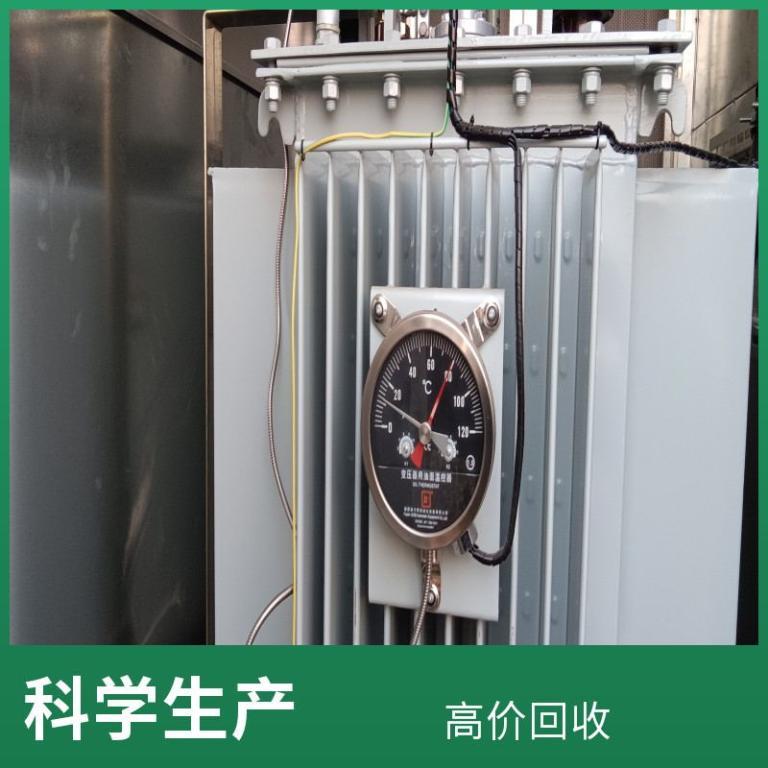
A transformer is an electrical component used to change voltage, current, or impedance. It is the main equipment for power transmission and distribution in the power system. Its physical appearance is shown in Figure 1-1.
For long-distance power transmission, transformers can be used to increase the voltage sent from power stations, reducing losses during power transmission and facilitating long-distance delivery. At the point of electricity consumption, transformers step down high voltage for use by electrical equipment and users. Transformers can be classified in many ways. Based on the number of power phases, they are mainly divided into single-phase transformers and three-phase transformers.
1. Functional Characteristics of Single-Phase Transformers
A single-phase transformer is a transformer with a single-phase primary winding. As shown in Figure 1-2, both the primary and secondary windings of a single-phase transformer are wound around an iron core. The primary winding is the AC voltage input terminal, and the secondary winding is the AC voltage output terminal. The output voltage of the secondary winding is proportional to the number of coil turns.
Single-phase transformers can convert high-voltage power supply into single-phase low voltage for various equipment. For example, they can step down AC 6600V high voltage to AC 220V low voltage to power lighting or other equipment, as shown in Figure 1-3. Single-phase transformers have advantages such as simple structure, small size, and low loss, making them suitable for low-voltage distribution lines with light loads (below 60Hz).
Single-phase transformers are widely used in rural power transmission and distribution systems, as well as for lighting or small motor power supply. An application example is shown in Figure 1-4. Additionally, they are often used as power transformers in many electronic and electrical devices.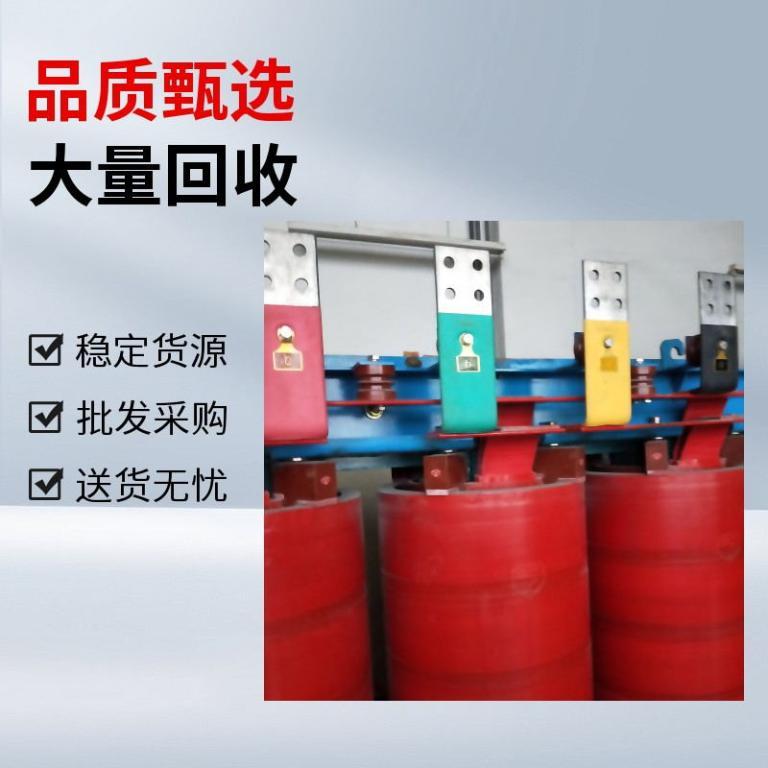
2. Functional Characteristics of Three-Phase Transformers
Three-phase transformers are widely used in power equipment. A three-phase transformer is essentially a combination of three single-phase transformers of the same capacity. Both the primary winding (high-voltage coil) and the secondary winding (low-voltage coil) are three-phase, as shown in Figure 1-5.
Three-phase transformers are mainly used for stepping up or stepping down voltage in three-phase power supply systems. A common application is stepping down several thousand volts of high voltage to 380V low voltage to provide power for electrical equipment, as shown in Figure 1-6.
Three-phase transformers have a wide range of applications, including substations, industrial and mining enterprises, construction sites, irrigation and drainage equipment, postal and telecommunications, textiles, railways, schools, hospitals, national defense, elevators, etc. They are also suitable for low-voltage distribution lines with low and fluctuating power supply voltages. An application example is shown in Figure 1-7.
Transformer Models and Technical Parameters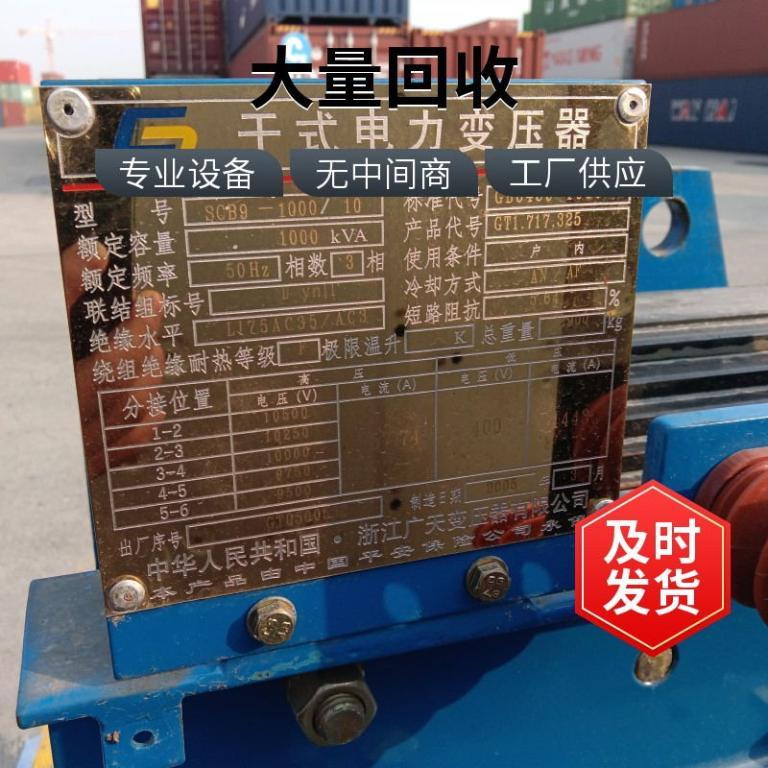
Power transformers are the most commonly used transformers in electrical systems. Due to the variety of power transformers, their model identifications and parameters differ. Therefore, these models and parameters are often indicated on the transformer's nameplate for easy reference during installation and maintenance. Figure 1-8 shows a typical power transformer nameplate.
The nameplate of a transformer includes its model and technical parameters. Below, the meaning of the transformer model and its technical parameters are introduced.
| Industry Category | Electronic Components & Supplies/Transformers/Other Transformers |
|---|---|
| Product Category | |
| Brand: | |
| Spec: | |
| Stock: | 1 |
| Origin: | 113205 |


