


Specific Methods for Placing Plastic Trash Bins in Xi'an
Other Products


Placement Principles
Convenience for Residents: Trash bins should be placed in easily accessible locations, such as residential entrances and exits, main pathways, and pedestrian walkways in underground parking garages, to reduce inconvenience for residents and enhance their willingness and accuracy in waste disposal.
Avoid Impeding Traffic and Urban Aesthetics: Avoid placing trash bins in areas that obstruct traffic and public safety, such as road centers, fire lanes, and blind pathways. Additionally, ensure that bin placement does not detract from the city’s appearance by choosing discreet or environmentally harmonious locations.
Combination of Centralized and Distributed Placement: In densely populated areas like commercial districts and residential zones, increase the number of trash bins appropriately and adopt centralized placement to facilitate waste collection and transportation. In more dispersed areas, such as parks and squares, distribute bins reasonably based on actual needs to serve people in different locations.
Compliance with Waste Sorting Requirements: In accordance with local waste sorting policies and standards, deploy corresponding types of sorted trash bins—such as recyclable waste, hazardous waste, kitchen waste, and other waste bins—to guide residents in proper waste sorting and improve resource utilization and safe disposal levels.
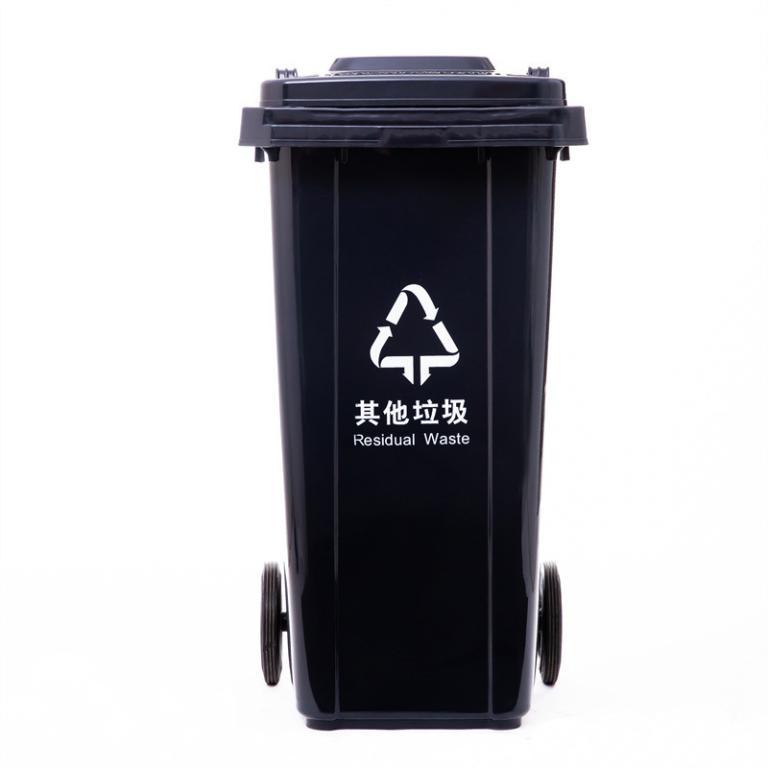
Key Placement Guidelines for Different Locations
Residential Communities
Number of Placement Points: Generally, set up one timed and fixed disposal point per 300–500 households. Adjust based on factors such as actual household numbers, area size, and residents’ disposal habits.
Location Selection: Prioritize areas with high daily foot traffic, such as near community entrances/exits, parking lots, and leisure squares, while ensuring easy access for waste collection vehicles.
Missed-Time Disposal Points: Depending on the community’s situation, establish 1–2 flexible disposal points for residents who miss the scheduled disposal times.
Streets and Roads
Main Roads and High-Traffic Branch Roads: Place waste sorting points every 100–200 meters, equipped with recyclable and other waste collection containers.
Secondary Roads and Expressways with Non-Motorized and Pedestrian Lanes: Place waste sorting points every 200–400 meters, equipped with recyclable and other waste collection containers.
Busy Areas like Commercial Streets: Place waste sorting points every 50–100 meters, equipped with recyclable and other waste collection containers.
Public Transportation Venues
Bus Stations, Train Stations, High-Speed Rail Stations, etc.: Set up waste sorting points on platforms, boarding areas, and main passageways, equipped with recyclable and other waste collection containers, preferably with capacities of 40L or 60L. Sorting points should also be placed in waiting areas, with 60L containers. In restrooms, set up points for kitchen waste and other waste, with 40L containers for kitchen waste and 60L for other waste.
Commercial Venues
Shopping Malls and Hotels: Place waste sorting points in public areas like elevator lobbies and lobbies, equipped with recyclable and other waste collection containers (40L recommended). In restrooms, set up points for other waste (60L recommended). In hotel accommodations, place sorting points without obstructing the environment or safety exits, equipped with kitchen waste and other waste containers (60L recommended), along with clear signage for easy identification.
Tourist Attractions
Entrances and Main Paths: Set up waste sorting points at entrances, main paths, and high-traffic branch roads, equipped with recyclable and other waste collection containers (40L recommended).
Rest Areas: Place waste sorting points with recyclable and other waste collection containers (120L recommended).
Restrooms: Set up points for other waste (60L recommended).
Facility Configuration
Selection of Trash Bin Types: Choose appropriate bin types based on venue needs—fixed bins for crowded public places like malls and schools, mobile bins for streets, communities, and residential areas.
Labeling of Trash Bins: Standardize waste sorting labels and bin colors according to "Domestic Waste Sorting Signs" (GB/T 19095-2019) to help residents easily identify different types of bins.
Auxiliary Facilities: Install supporting facilities near trash bin points, such as handwashing stations, mop sinks, shelters, and lighting, to facilitate cleaning after disposal and improve convenience and comfort.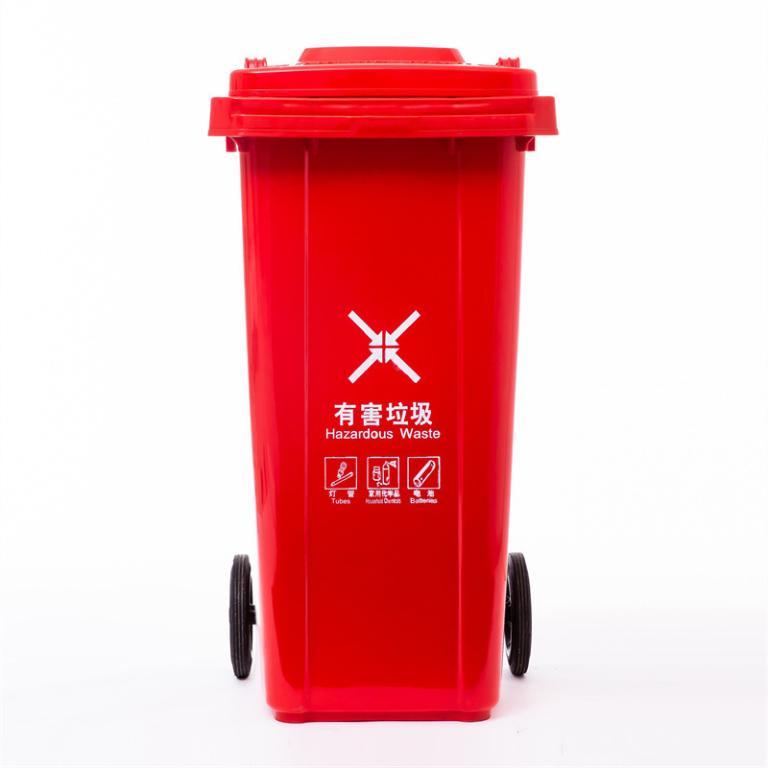
| Industry Category | Others |
|---|---|
| Product Category | |
| Brand: | 日昇达 |
| Spec: | 240L |
| Stock: | 10000 |
| Manufacturer: | 陕西日昇达塑业科技有限公司 |
| Origin: | 116104 |


