


Application and Importance of Agricultural and Forestry Environmental Weather Stations in Extreme Weather Conditions
Other Products


Against the backdrop of increasingly significant global climate change, extreme weather events such as floods, droughts, heatwaves, cold waves, and severe storms are occurring frequently, posing serious challenges to agricultural production, forestry management, and the entire ecological environment. To effectively address these challenges, enhance disaster early warning capabilities, and reduce losses, the role of agricultural and forestry environmental weather stations is becoming increasingly prominent. So, can agricultural and forestry environmental weather stations be used under extreme weather conditions and perform their intended functions? The answer is yes.
Applications in Extreme Weather
1. Early Warning System: Before extreme weather events occur, agricultural and forestry environmental weather stations can detect abnormal changes in meteorological elements through continuous monitoring and data analysis, providing accurate early warning information to relevant departments and farmers. For example, by monitoring trends in air humidity and temperature, it is possible to predict whether a drought or heavy rain is imminent, allowing for preemptive measures such as irrigation or drainage to protect crops and trees from damage.
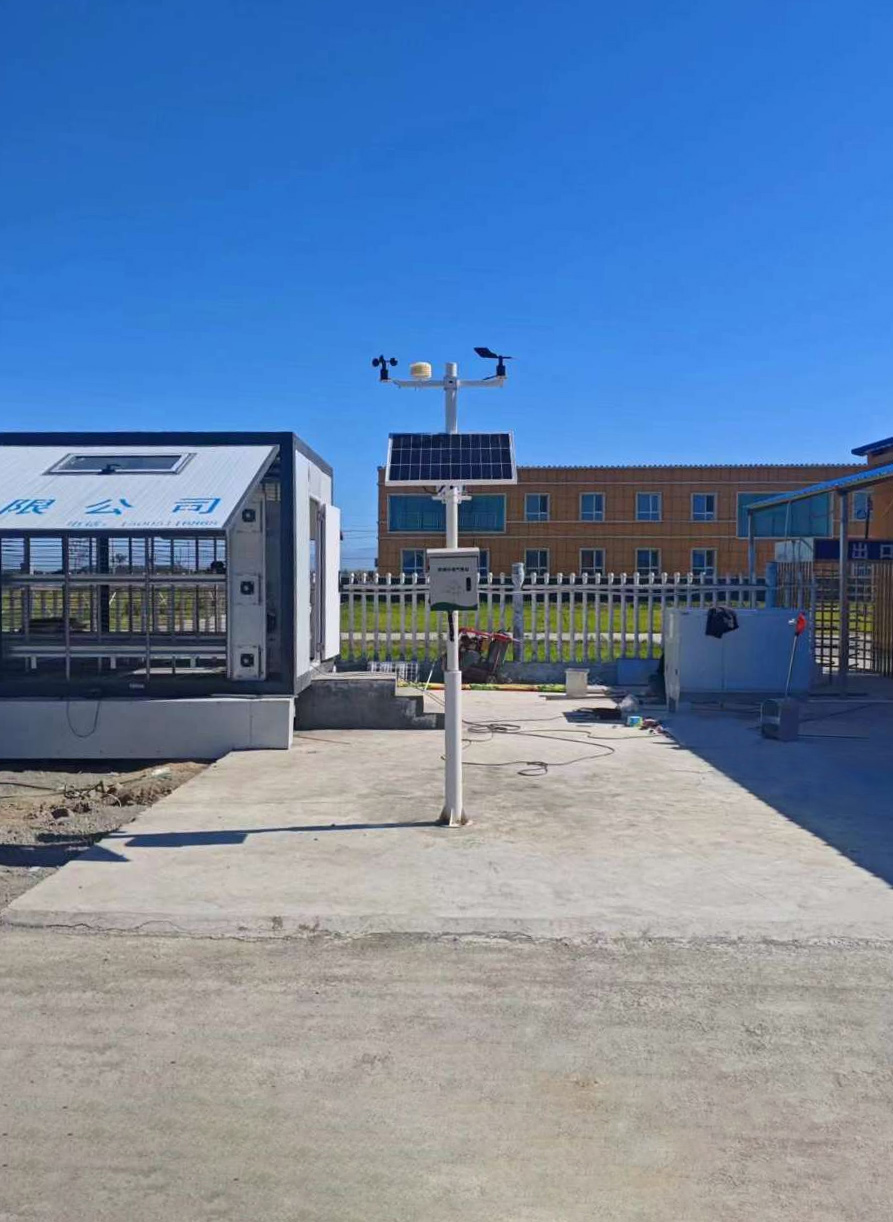
2. Disaster Assessment and Response: After extreme weather events, the data from weather stations are crucial for assessing the scope and extent of disaster impacts and for subsequent recovery efforts. By comparing meteorological data before and after the disaster, specific losses caused by the disaster can be scientifically evaluated, providing data support for post-disaster reconstruction and resource allocation.
3. Precision Agricultural Management: Under extreme climate conditions, reasonable agricultural management measures are particularly important for ensuring crop yield and quality. The data provided by weather stations can help farmers adjust planting strategies based on real-time weather conditions, such as selecting drought-tolerant or cold-resistant varieties, adjusting sowing times, and optimizing irrigation systems, thereby achieving precision management in agriculture.
4. Ecological Monitoring and Protection: For forestry, extreme weather may increase the risk of forest fires or disrupt ecosystem balance. The data from weather stations not only help monitor fire risk levels but also provide a scientific basis for developing forest protection strategies and promoting biodiversity conservation.
Technical Challenges and Solutions
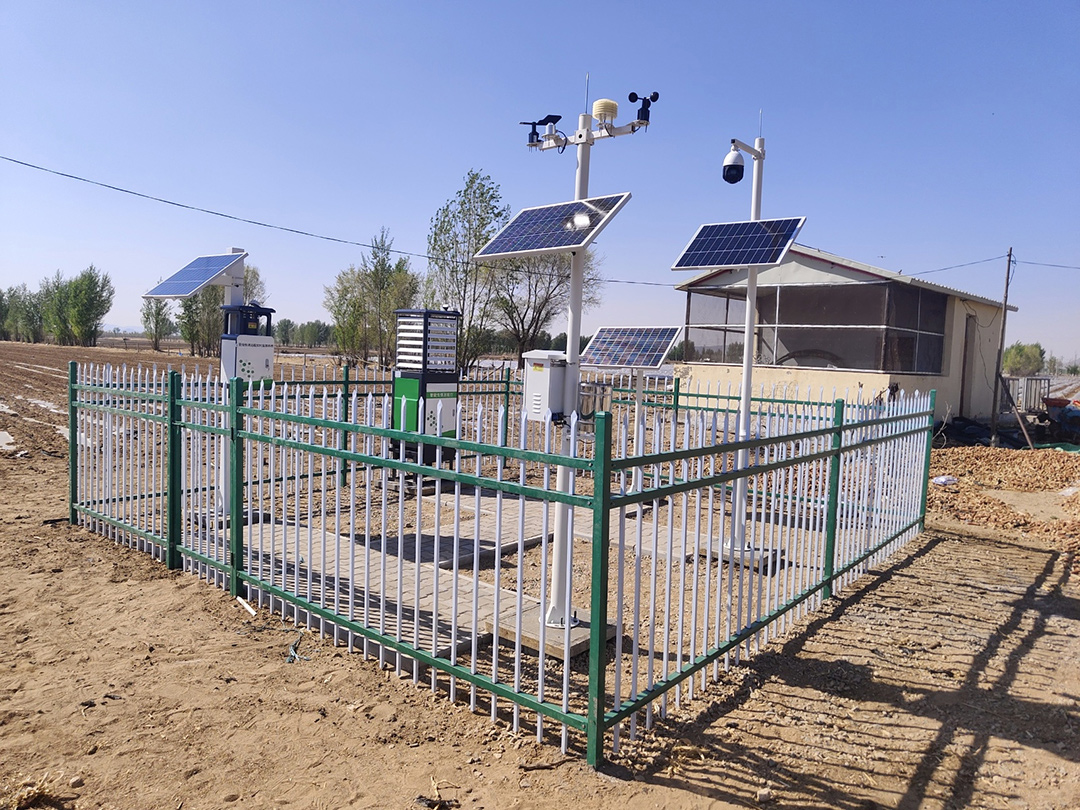
Although agricultural and forestry environmental weather stations have significant application value under extreme weather conditions, their operation also faces certain challenges, such as equipment durability, data transmission stability, and the timeliness of data analysis. To address these issues, it is necessary to use highly reliable, weather-resistant sensors and communication equipment to ensure stable operation in harsh environments. At the same time, leveraging cloud computing and big data technologies can optimize data processing workflows, enabling rapid data collection, analysis, and distribution, thereby improving the accuracy and timeliness of early warnings.
In summary, agricultural and forestry environmental weather stations are not only usable under extreme weather conditions but are also essential tools for addressing climate change, ensuring agricultural production security, and promoting ecological sustainability. With continuous technological advancements and deeper practical applications, their role in disaster prevention and mitigation, resource management, and environmental protection will become even more prominent.
| Industry Category | Others |
|---|---|
| Product Category | |
| Brand: | 河南沃恩特 |
| Spec: | WE系列 |
| Manufacturer: | 河南沃恩特仪器设备有限公司 |
| Origin: | 114101 |


