


Laser Quenching and Repair Technology Process for Large Gears
Contact Info
- Add:西安市国家民用航天产业基地航天基地299号西安建工科技创业基地十号楼4层, Zip:
- Contact: 段纯
- Tel:17392761868
- Email:gsjgkj@163.com
Other Products


Laser quenching of gears and gear rings involves minimal heat input, resulting in small thermal deformation of the gear or gear ring. It does not reduce gear accuracy or damage the surface roughness of the tooth surface. Laser cladding technology can directly repair broken teeth.
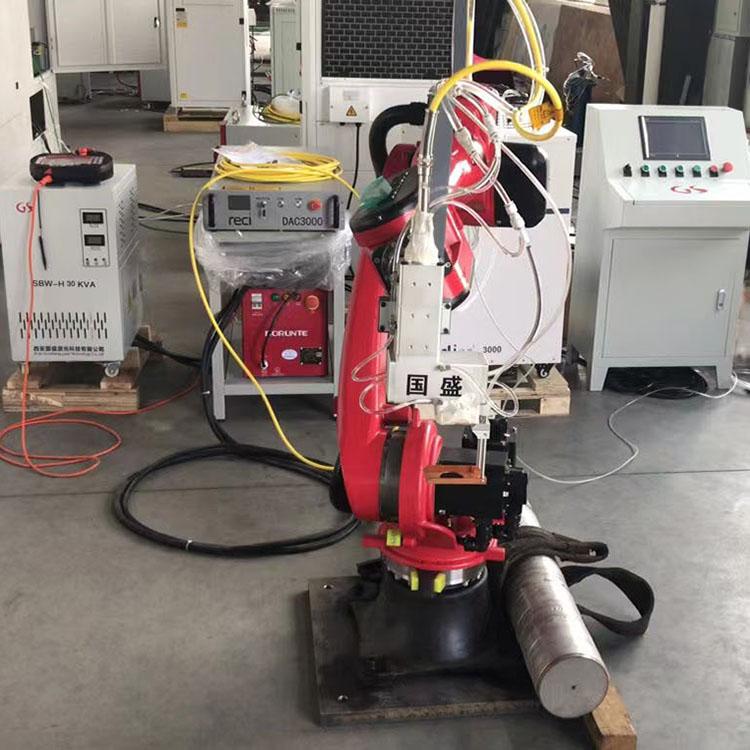
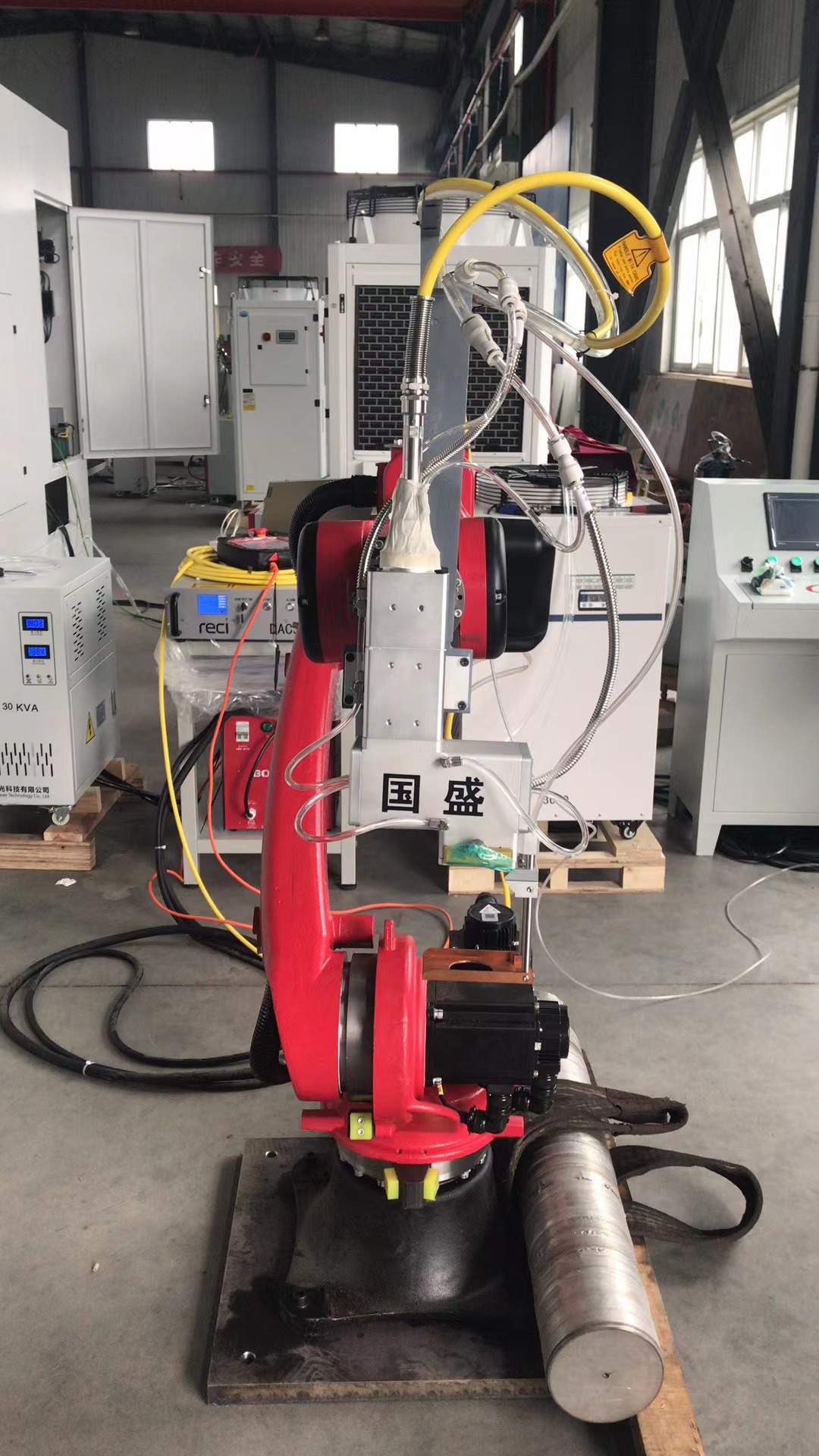
Laser Quenching Repair Technology Process Steps
(1) Process flow: Clamp the large gear on the laser processing machine, remove oil stains and rust spots from the gear tooth surface; apply light-absorbing coating to the tooth surface and shaft neck areas requiring laser processing, then use the laser processing program to quench the tooth surface (tooth top, tooth root, etc.).
(2) Quenching process parameters: The hardness range of the tooth surface after laser quenching can be controlled between HRC 35–45; the depth of the hardened layer is 0.4–0.6 mm; laser power is 2.0–3.5 kW; quenching speed is 10–50 mm/s. Based on the different requirements for surface hardness of the gear tooth surface, tooth root, and tooth top, the CNC system is used to change process parameters in segments and zones to obtain corresponding laser-hardened layers. After laser quenching, no tempering is performed, and the surface roughness of the tooth surface remains essentially unchanged.
(3) Process indicators for laser cladding: The single-layer laser cladding thickness can be adjusted between 0.2–2.5 mm as needed. The hardness of the laser cladding layer can be adjusted between HRC 25–60 according to workpiece requirements. For large steel gears, cladding can be performed directly without preheating. The cladding layer is uniform and continuous, free from cracks, pores, and other metallurgical defects.
| Industry Category | Others |
|---|---|
| Product Category | |
| Brand: | 国盛激光 |
| Spec: | |
| Manufacturer: | 西安国盛激光 |
| Origin: | 116101 |


