


Laser Cladding Strengthening and Repair of High-Temperature Rotary Shafts in Metallurgy
Contact Info
- Add:西安市国家民用航天产业基地航天基地299号西安建工科技创业基地十号楼4层, Zip:
- Contact: 段纯
- Tel:17392761868
- Email:gsjgkj@163.com
Other Products


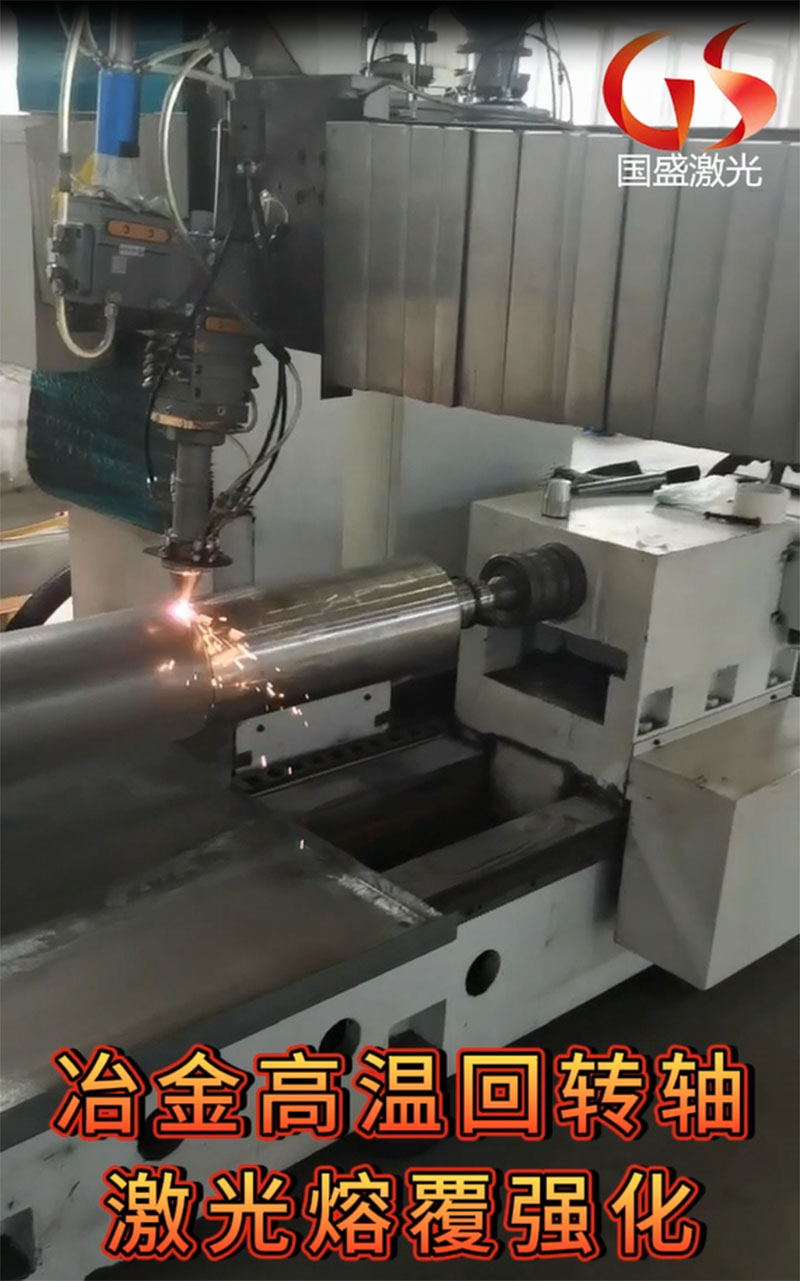
Laser cladding strengthening technology, as a surface treatment technique, is characterized by high energy density, rapid heating, and cooling, and is widely applied in the surface strengthening of various materials. In the metallurgical industry, high-temperature rotary shafts are one of the key components, and their performance directly affects the stability and efficiency of the entire production line. Therefore, laser cladding strengthening of high-temperature rotary shafts is of great significance.
I. Principles and Characteristics of Laser Cladding Strengthening
Laser cladding strengthening utilizes a high-energy laser beam to rapidly melt materials, which then cool and solidify in an extremely short time, forming a high-performance coating to achieve surface strengthening. Compared with traditional surface treatment technologies, laser cladding strengthening offers the following advantages:
1. The cladding layer and base material form a metallurgical bond, resulting in high bonding strength;
2. Localized reinforcement can be achieved, offering flexible and convenient operation;
3. The cladding layer has a dense structure, free from defects such as pores and slag inclusions;
4. Large-area rapid cladding can be achieved, ensuring high production efficiency.
II. Necessity of Laser Cladding Strengthening for High-Temperature Rotary Shafts in Metallurgy
High-temperature rotary shafts in the metallurgical industry suffer from severe wear and corrosion during operation, leading to performance degradation and shortened lifespan. Traditional surface treatment technologies struggle to meet the demands of extreme conditions such as high temperatures and heavy loads. Laser cladding strengthening technology can significantly enhance the surface hardness and wear resistance of rotary shafts, effectively extending their service life. It also improves their corrosion resistance and high-temperature performance, ensuring the stability and efficiency of the production line.
III. Process Flow of Laser Cladding Strengthening for High-Temperature Rotary Shafts in Metallurgy
1. Surface Pretreatment: Clean, degrease, and remove rust from the rotary shaft surface to ensure it is clean and free of impurities;
2. Selection and Preparation of Coating Material: Choose an appropriate coating material based on specific working conditions and usage requirements, and prepare it into powder of a certain particle size;
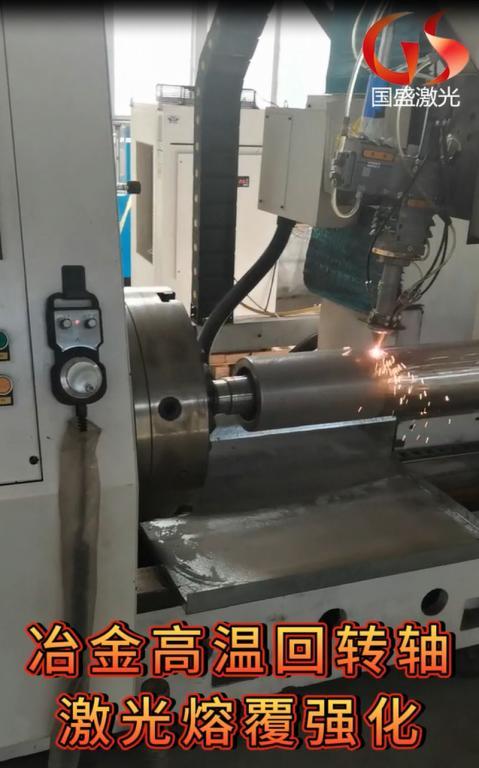
3. Laser Cladding Strengthening and Repair: Evenly coat the powder onto the rotary shaft surface and use a high-energy laser beam for rapid melting, cooling, and solidification;
4. Post-Treatment After Laser Cladding Repair: Perform grinding, polishing, and other treatments on the rotary shaft after laser cladding repair to remove surface burrs and residual stress;
5. Performance Testing and Evaluation: Conduct various performance tests and evaluations on the laser-clad strengthened rotary shaft to ensure the desired strengthening effect is achieved.

IV. Application Example of Laser Cladding Strengthening for High-Temperature Rotary Shafts in Metallurgy
A steel company faced severe wear and corrosion issues with its high-temperature rotary shaft during operation, leading to reduced production efficiency and increased maintenance costs. To address this problem, laser cladding strengthening technology was adopted for surface treatment of the shaft. Through a series of processes, surface strengthening of the rotary shaft was achieved. After a period of use and validation, it was found that the performance of the laser-clad strengthened shaft significantly improved, with a notably extended service life and the ability to withstand higher temperatures and loads. The application of this technology saved the company substantial maintenance costs and downtime while improving production efficiency and product quality.
V. Conclusion
Laser cladding strengthening technology holds significant advantages and promising application prospects in the surface treatment of high-temperature rotary shafts in metallurgy. By strengthening the surface of rotary shafts, their hardness and wear resistance can be greatly enhanced, their service life extended, and their corrosion resistance and high-temperature performance improved. The application of this technology will bring substantial economic benefits and competitive advantages to enterprises. With the continuous development and refinement of laser cladding technology, it is believed that it will see even broader application in the metallurgical industry.
| Industry Category | Others |
|---|---|
| Product Category | |
| Brand: | 国盛激光 |
| Spec: | |
| Manufacturer: | 西安国盛激光 |
| Origin: | 116101 |


