


Application of Laser Cladding Technology in the Iron and Steel Metallurgy Industry
Contact Info
- Add:西安市国家民用航天产业基地航天基地299号西安建工科技创业基地十号楼4层, Zip:
- Contact: 段纯
- Tel:17392761868
- Email:gsjgkj@163.com
Other Products


Laser cladding technology is achieved by forming a coating on the metal surface using a laser beam. By adding alloy powders and metal powders to the cladding material, a metallurgical bond can be formed on the base metal surface, resulting in a coating with specific functions. Laser cladding technology includes laser cladding and laser recrystallization.
The application of laser cladding technology in the iron and steel metallurgy industry is mainly reflected in two aspects: surface repair and surface modification. The iron and steel metallurgy industry has high requirements for properties such as corrosion resistance, wear resistance, oxidation resistance, and high-temperature resistance. Traditional repair welding processes are often used for part restoration. However, due to the low surface hardness of steel materials and a certain degree of oxidation and wear, the corrosion and wear resistance of repaired parts are reduced. Laser cladding technology can significantly improve the corrosion resistance and wear resistance of metal part surfaces without the need for complex additional treatments.
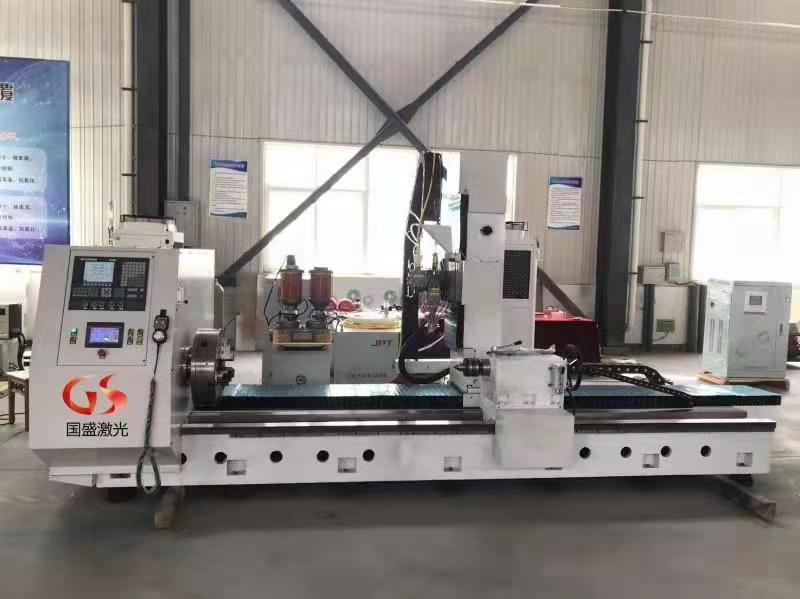
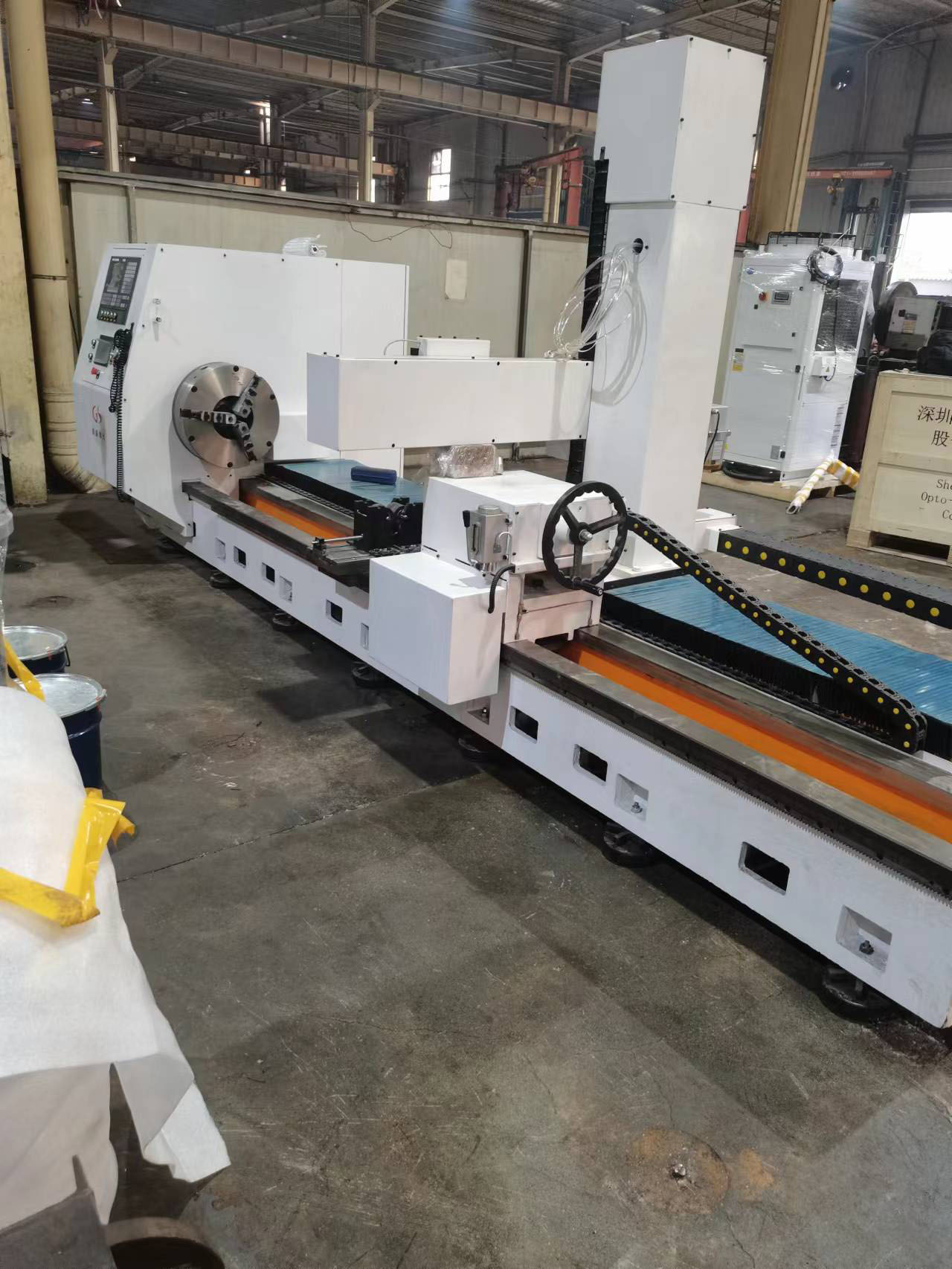
1. Repair of wear-resistant steel parts and high-alloy tool steel parts: Laser cladding technology primarily forms a metallurgical bond between the base material and the coating. Therefore, the requirements for the base material are relatively low. However, since the bond between the laser cladding coating and the base material is metallurgical, the bonding strength is relatively low. Thus, when selecting a laser cladding coating, the properties of the base material should be analyzed.
2. Preparation of wear-resistant and anti-corrosion coatings on steel surfaces: Laser cladding technology for preparing wear-resistant and anti-corrosion coatings on steel surfaces is a relatively new technology developed in recent years. Its purpose is to provide the workpiece surface with a coating that exhibits excellent corrosion and wear resistance. Laser cladding technology can produce a cladding layer with a thickness of approximately 30–100 μm on the steel surface, forming a metallurgical bond with the base material.
3. Preparation of oxidation-resistant coatings on steel parts: Laser cladding technology forms a dense, highly oxidation-resistant wear-resistant and anti-corrosion coating on the steel surface. The main methods of laser cladding technology include thermal spraying, hot-dip coating, and plasma spraying.
4. The surface modification of steel parts by laser cladding technology is mainly reflected in:
① Forming a metallurgical bond between the laser cladding layer and the steel part;
② Replacing part of the steel material with the laser cladding layer to form a coating with special functions and properties on the steel part.
| Industry Category | Others |
|---|---|
| Product Category | |
| Brand: | 国盛激光 |
| Spec: | |
| Manufacturer: | 西安国盛激光 |
| Origin: | 116101 |


