


The Principle and Advantages of Laser Hardening Processing for Automotive Molds
Contact Info
- Add:西安市国家民用航天产业基地航天基地299号西安建工科技创业基地十号楼4层, Zip:
- Contact: 段纯
- Tel:17392761868
- Email:gsjgkj@163.com
Other Products


In the precision processes of the automotive manufacturing industry, laser quenching technology for automotive molds undoubtedly shines as a brilliant gem. It not only revolutionizes traditional heat treatment methods but also, with its advantages of high efficiency, precision, and environmental friendliness, has become one of the key technologies for enhancing the quality of automotive components and extending their service life.
I. Principles of Laser Quenching for Automotive Molds
Laser quenching, as the name suggests, utilizes a high-energy-density laser beam as a heat source to rapidly heat the mold surface above the austenite phase transformation temperature. Subsequently, through the mold's own heat conduction, it is quickly cooled below the martensite transformation point, thereby forming a hardened layer on the mold surface with high hardness and excellent wear resistance. This process significantly alters the microstructure and properties of the mold surface without affecting the overall performance of the base material, achieving the effect of "local strengthening."
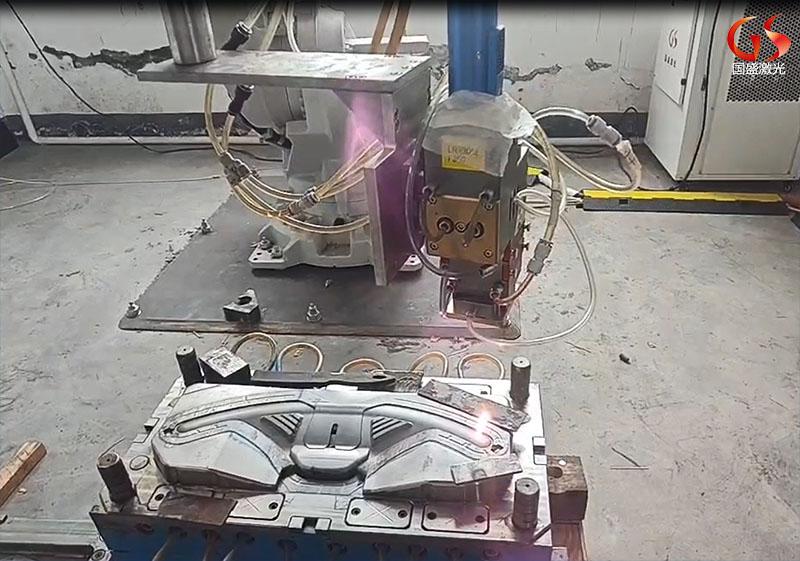
II. Advantages of Laser Quenching for Automotive Molds
1. High Precision and High Flexibility: The laser beam can achieve extremely small spot sizes and precise energy control, ensuring high accuracy in the quenching area. At the same time, the laser processing path is flexibly adjustable, meeting the processing needs of complex mold surfaces.
2. High Efficiency and Energy Savings: The laser quenching process is short in duration and highly energy-efficient, significantly reducing energy consumption compared to traditional heat treatment methods. Additionally, laser processing does not require large amounts of coolant, reducing environmental pollution and wastewater treatment costs.
3. Superior Surface Performance: After laser quenching, the surface hardness of the mold is significantly improved, with enhanced wear resistance, fatigue resistance, and corrosion resistance, greatly extending the mold's service life and improving product quality.
4. Environmental Friendliness: The laser processing process hardly produces any harmful substances, meeting the high environmental requirements of modern manufacturing.
III. Application Examples
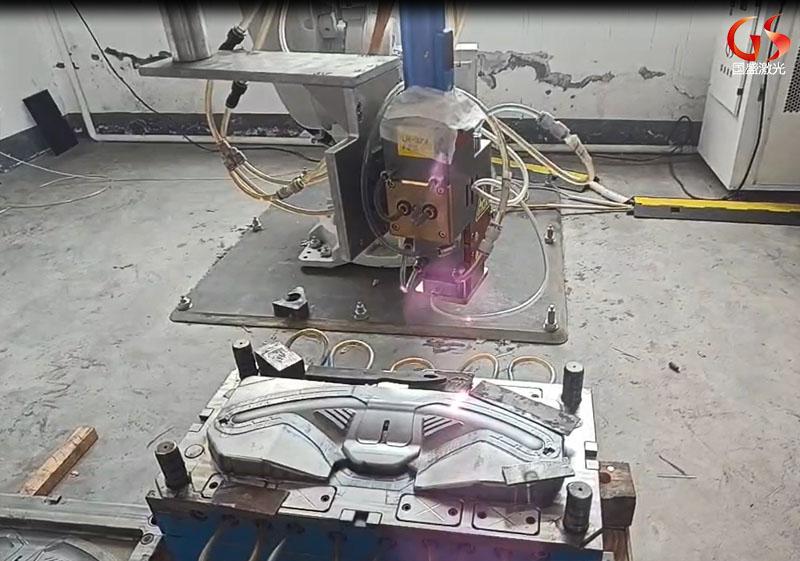
In the automotive manufacturing sector, laser quenching technology for automotive molds is widely used in the production of key components such as engine blocks, crankshafts, gears, and injection molds. Taking engine blocks as an example, laser quenching technology can form a hard, hardened layer on the inner wall of the cylinder, effectively resisting wear and corrosion under high temperature and pressure, thereby extending the engine's service life. At the same time, for the complex cooling and oil passage structures inside the cylinder, laser quenching technology can precisely control the processing area, avoiding thermal effects on surrounding areas and ensuring stable overall performance.
IV. Future Development Trends
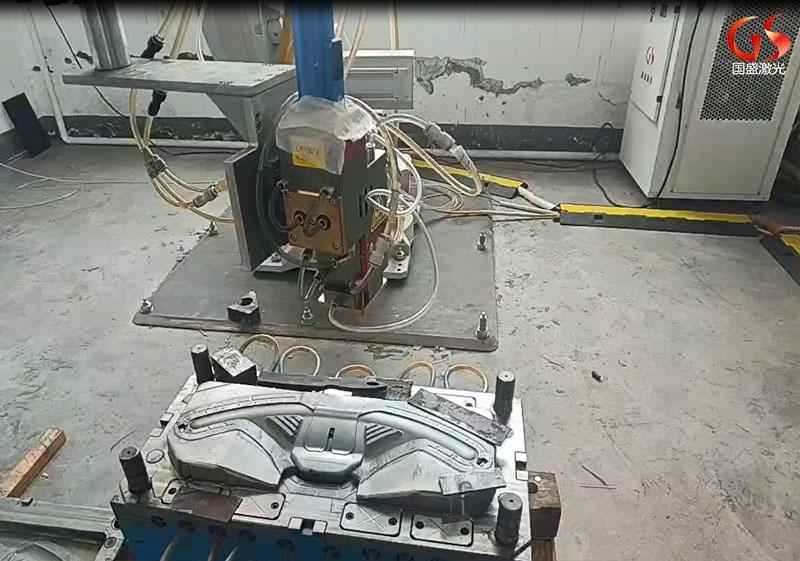
With the rapid development of the automotive industry and increasing consumer demands for vehicle quality, laser quenching technology for automotive molds will face broader application prospects. In the future, this technology will develop in the following directions:
1. Intelligence and Automation: Integrating advanced technologies such as machine vision and artificial intelligence to achieve intelligent monitoring and adaptive adjustment of the laser quenching process, improving processing accuracy and efficiency.
2. Multi-Functional Composite Processing: Combining laser quenching with other processing technologies (such as laser cladding, laser cleaning, etc.) to form a multi-functional composite processing system, further enhancing the comprehensive performance of molds.
3. Integration of New Materials and Technologies: Developing laser quenching processes and technical parameters suitable for special materials to meet the demands of emerging fields such as new energy vehicles and lightweight materials.
4. Green Production: Continuously optimizing the laser quenching process to reduce energy consumption and waste emissions, promoting the automotive manufacturing industry toward green and low-carbon development.
In summary, laser quenching technology for automotive molds, as an important technology in modern automotive manufacturing, offers significant advantages and wide applications. It plays a crucial role in improving the quality of automotive components and driving the transformation and upgrading of the automotive industry. With continuous technological advancements and expanding applications, we have every reason to believe that this cutting-edge technology will play an even more important role in the future of automotive manufacturing.
| Industry Category | Others |
|---|---|
| Product Category | |
| Brand: | 国盛激光 |
| Spec: | |
| Manufacturer: | 西安国盛激光 |
| Origin: | 116101 |


