


Blowing Tank
Other Products


1. Based on the arrangement of injection tanks, it can be divided into parallel injection and series tank injection. Continuous coal injection into the blast furnace is ensured through sequential or cross switching of tanks. To facilitate handling of injection accidents, the number of parallel tanks is usually three. If sequential tank switching is used in parallel injection, it may have a certain impact on the stability of injection, while cross tank switching can improve injection stability, but the latter requires precise measurement and control methods. Additionally, parallel injection occupies a large area, but the injection weighing is simple, and the investment is smaller compared to the overlapping type. Therefore, it is commonly used in direct injection process systems for small blast furnaces.
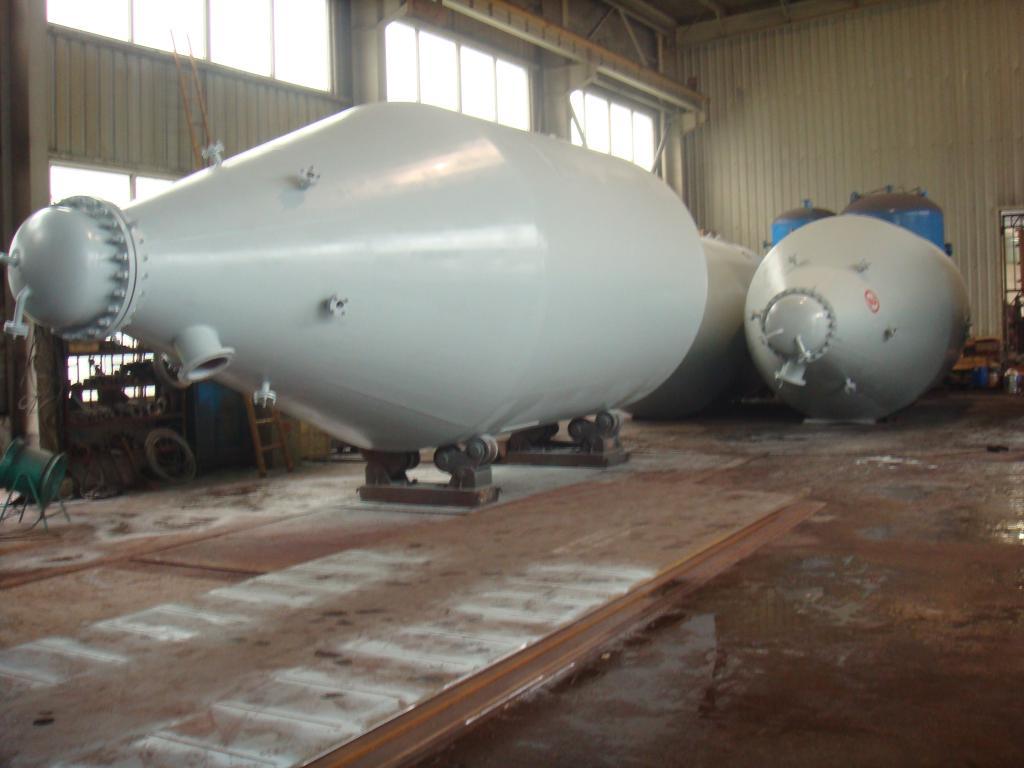
2. Based on the injection method, it can be divided into direct injection and indirect injection.
Direct injection involves placing the injection tank below the coal bunker of the pulverizing system, directly injecting pulverized coal into the blast furnace tuyere, with no need for an injection station near the blast furnace. Its characteristic is saving investment in the injection station and corresponding operation and maintenance costs. This method is more commonly used in small and medium-sized blast furnaces. Indirect injection involves transporting prepared pulverized coal to the injection station near the blast furnace through dedicated coal conveying pipelines or tankers, and then injecting the coal into the blast furnace from the injection station. Its characteristics include higher investment, complex equipment configuration, and besides the injection tank group, corresponding dust collection and dust removal devices must be equipped.
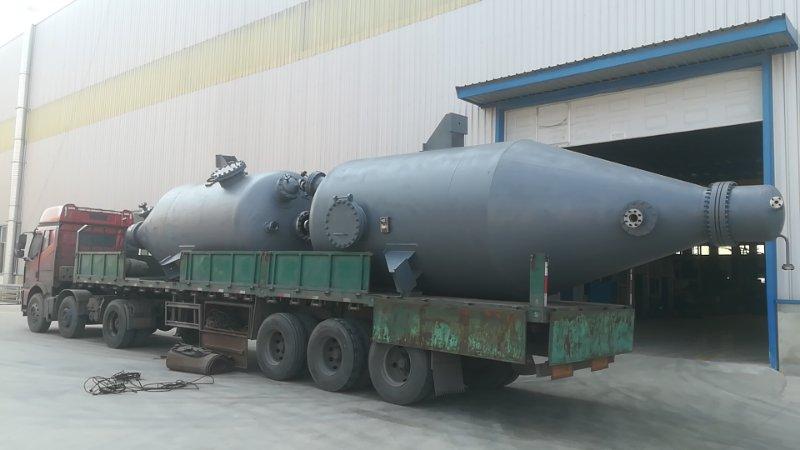
Injection tank (coal injection tank), the coal injection tank generally consists of the following parts: elliptical or dished head, cylindrical straight section, conical lower head, support, manhole, which belongs to a typical internal pressure vessel. Designed according to specifications, the pressure only needs to be greater than the maximum working pressure, but for safety considerations, especially when injecting bituminous coal, the design pressure should be appropriately increased.
The injection system consists of different types of injection tank groups and corresponding bell valves, fluidization devices, etc. Pulverized coal injection is usually carried out by filling the injection tank group with compressed air, introducing secondary compressed air from the self-mixer to inject the coal through pipelines and nozzles into the blast furnace tuyere. Among them, the injection tank group can be arranged in parallel, with coal loading and injection alternating; it can also be arranged in an overlapping manner, with the bottom tank only used for injection, and coal loading completed through the upper tank and its pressure equalization and discharge devices.
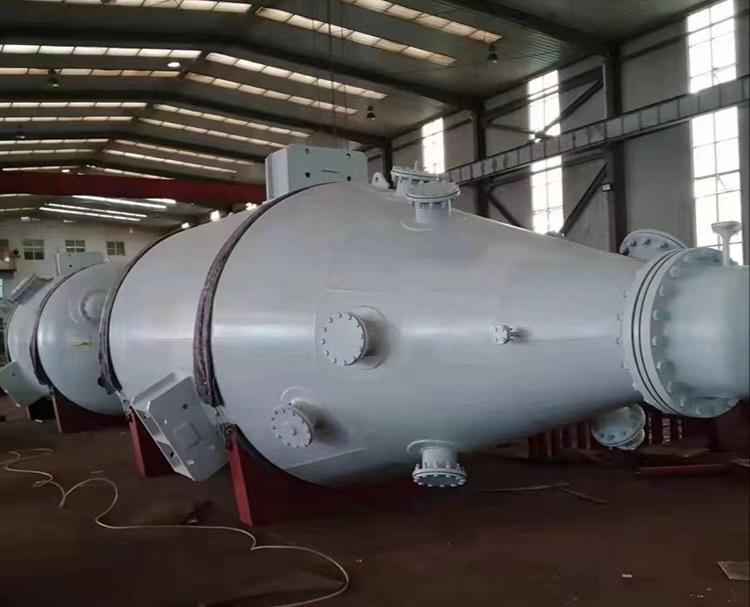
Principle and application of coal injection tank
Coal injection tank is a traditional combustion equipment. Its main principle is to inject pulverized coal into the combustion chamber through a nozzle, mix it with air, and burn to produce high-temperature and high-pressure gas, thereby providing heat for industrial production or civil life and other fields. Coal injection tanks are widely used in various industrial sectors, such as coal mining, cement, chemical, metallurgy and other industries, providing necessary energy support for production.
| Industry Category | Machinery & Equipment/Other Industry-Specific Equipment/Pipe Cutting Machines |
|---|---|
| Product Category | |
| Brand: | 翔业环保 |
| Spec: | PC-8 |
| Stock: | 100000 |
| Manufacturer: | 翔业环保设备有限公司 |
| Origin: | 113711 |


