


Blowing can
Other Products


Blowing Tank
Xiangye Environmental Protection provides a detailed introduction to the blowing tank (also known as the pulverized coal injection tank). The pulverized coal injection tank generally consists of the following components: elliptical or dished head, cylindrical straight section, conical lower head, support, and manhole. It is a typical internal pressure vessel, designed according to specifications, with the pressure required to be greater than the maximum working pressure. However, for safety reasons, especially when injecting bituminous coal, the design pressure should be appropriately increased.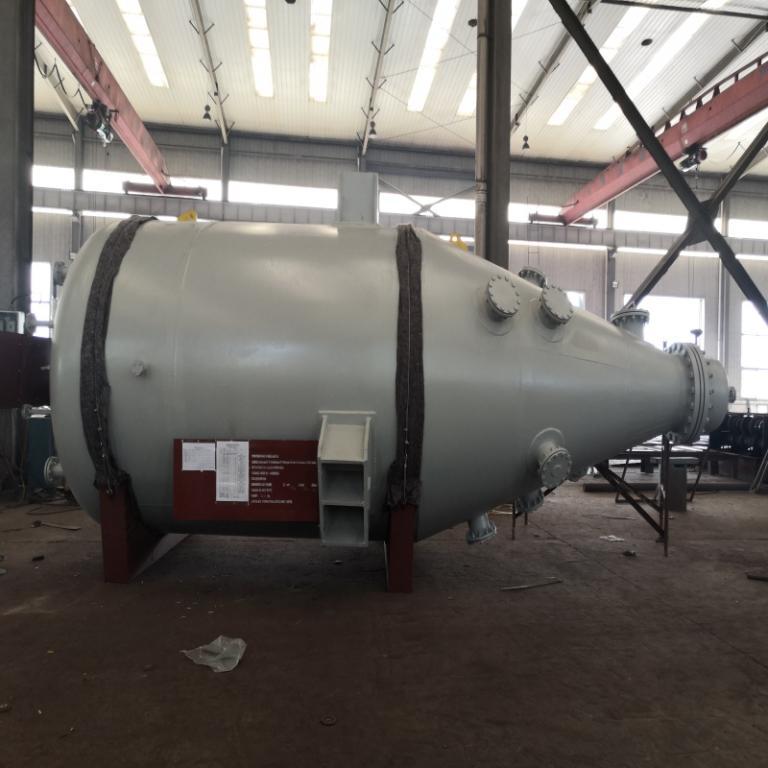
The injection system consists of different types of blowing tank groups and corresponding components such as bell valves and fluidization devices. Within the blowing tank group, compressed air is typically introduced, and secondary compressed air is added through a self-mixer to inject pulverized coal into the blast furnace tuyere via pipelines and lances, achieving coal injection.
The arrangement of blowing tank groups is flexible and diverse. They can be arranged in parallel to alternate between coal loading and injection, or in an overlapping configuration where the bottom tank is dedicated to injection, while coal loading is handled by the upper tank and its pressure equalization and discharge devices. This design is both efficient and practical.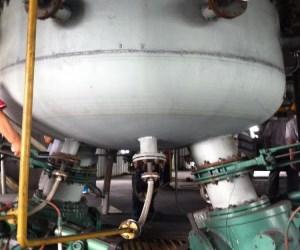
At the bottom of the blowing tank, a fluidized bed is installed, and fluidization nozzles are mounted on the conical section of the lower part of the tank. Both the fluidized bed and fluidization nozzles are connected to the fluidization gas source via control valves. This design effectively improves the conveying performance of the powder in the blowing tank through the agitation of the fluidization nozzles, optimizing the fluidization effect of the powder. This new type of blowing tank is not only suitable for newly built injection systems but can also be used to upgrade existing systems to enhance performance and efficiency.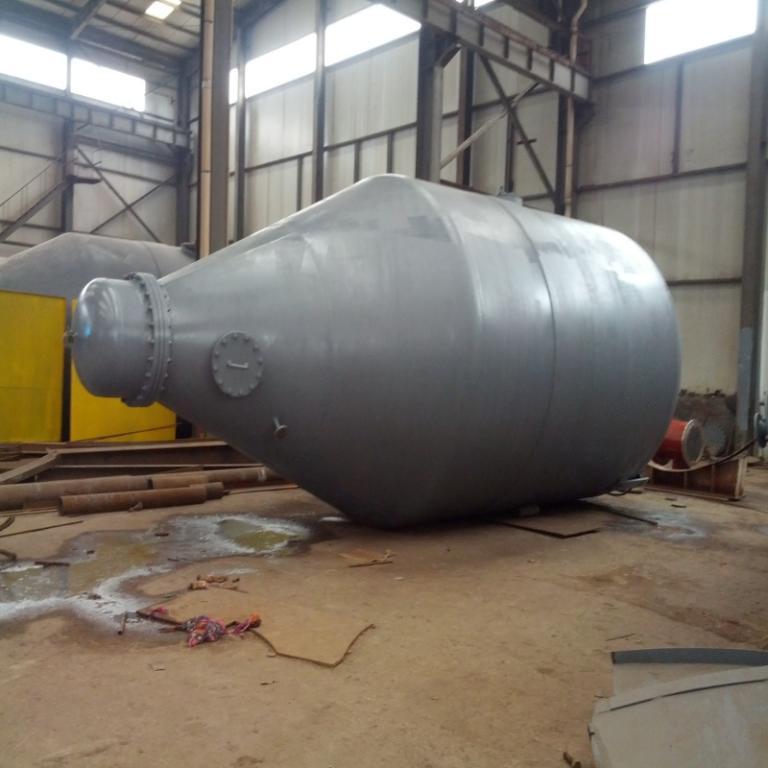
Regarding the injection method, it can be divided into direct injection and indirect injection. Direct injection involves placing the blowing tank directly below the coal bin of the pulverized coal system to inject coal directly into the blast furnace tuyere. The advantage of this method is that it saves investment in injection stations and corresponding operation and maintenance costs, making it particularly suitable for small blast furnaces. Indirect injection, on the other hand, requires transporting the prepared pulverized coal to the injection station near the blast furnace via dedicated coal pipelines or tankers before injecting it into the furnace. Although this method involves higher investment and more complex equipment configuration, it allows for the inclusion of corresponding dust collection and dedusting devices to ensure a clean and safe injection process.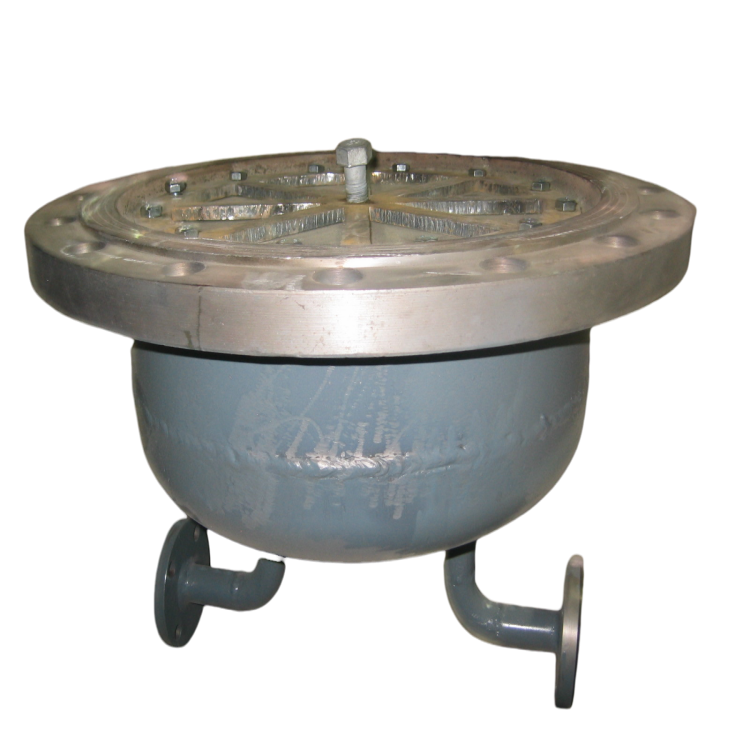
In terms of the arrangement of blowing tanks, they can be categorized into parallel injection and series tank injection. Parallel injection ensures uninterrupted coal injection into the blast furnace by sequentially or alternately switching between tanks. To handle potential injection accidents, it is generally recommended to have three parallel tanks. Although sequential tank switching may affect injection stability to some extent, precise measurement and control methods can effectively mitigate this issue. Additionally, while parallel injection requires more space, it offers simple weighing and lower investment, making it commonly used in direct injection systems for small blast furnaces.
From the above introduction, it is clear that Xiangye Environmental Protection's blowing tank design not only emphasizes safety and stability but also optimizes efficiency and practicality. Whether for new projects or the upgrade of existing systems, our products can provide reliable solutions.
| Industry Category | Others |
|---|---|
| Product Category | |
| Brand: | 翔业环保 |
| Spec: | XYPC-8 |
| Stock: | 10 |
| Manufacturer: | 翔业环保设备有限公司 |
| Origin: | 113711 |


