


Hot Press Machine, High Pressure Forming Machine
Contact Info
- Add:厦门同安集中工业区建材园95栋113号, Zip: 361100
- Contact: 杨生
- Tel:0189-65121502
- Email:xtm678@163.com
Other Products


The high-pressure forming machine operates on a principle that integrates computer-aided design technology with years of design and development experience, resulting in a fully numerically controlled product. It utilizes configuration software and employs a high-color touchscreen as the interface to create a user-friendly human-machine dialogue window. This greatly facilitates the intuitive input and retrieval of production parameters by users, as well as real-time monitoring of on-site production process data, including equipment status. It integrates hydraulic pressure, positioning, pneumatic pressure, and IR thermal compression into a single unit.
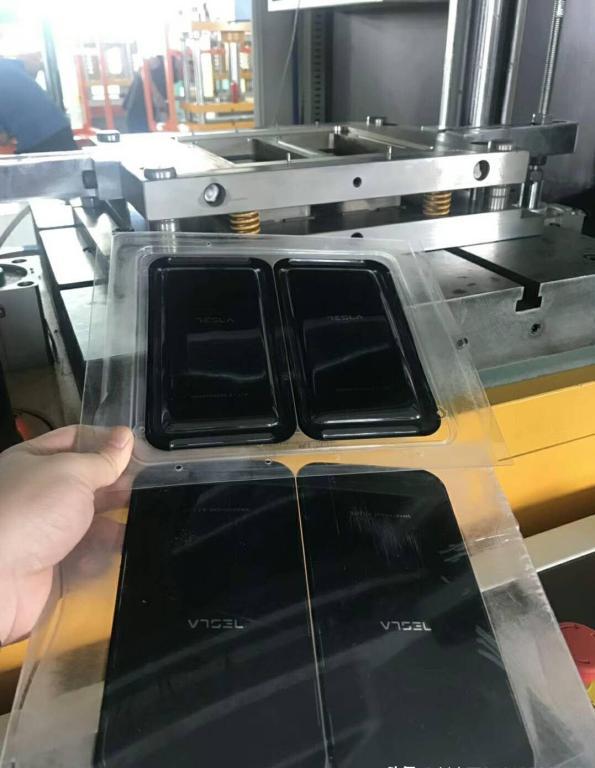
The high-pressure forming machine does not have an upper mold, only a lower mold. It uses high-pressure gas to press heated and softened sheets directly onto the lower mold to complete the forming of components.
Features of High-Pressure Forming Machine
The high-pressure forming machine is a widely used equipment in industrial production, primarily employed to shape materials into desired forms by applying high pressure. Its applications span various fields, including plastic processing, rubber product manufacturing, and composite material production. This section will provide a detailed explanation of the working principles and key components of the high-pressure forming machine.
II. Overview of Working Principles
The working principle of the high-pressure forming machine is based on the principles of physics and material science. It involves placing raw materials into a mold and applying sufficient pressure and temperature to induce plastic deformation within the mold. The material then cools and solidifies into the desired shape and dimensions.
III. Detailed Working Principles
Raw Material Preparation and Placement:
First, suitable raw materials, such as plastic pellets, rubber sheets, or composite materials, are selected based on product requirements.
The raw materials are placed in a preheating device for preheating to enhance their plasticity and flowability.
The preheated materials are then fed into the mold cavity, ensuring even distribution and complete filling of the cavity.
Mold Closing and Pressurization:
Once the material fully fills the mold, the upper and lower molds begin to close, forming a sealed cavity.
The hydraulic system of the high-pressure forming machine activates, driving the piston to apply immense pressure to the mold. This pressure typically ranges from hundreds to thousands of tons, sufficient to induce plastic deformation of the material within the mold.
During the pressurization process, the mold may also be heated to further promote material flow and shaping.
Pressure Holding and Cooling:
The material is maintained under specific pressure and temperature for a period (known as the holding time) to ensure it fully fills every corner of the mold and forms a stable structure.
After the holding period, the mold undergoes cooling. This can be achieved through natural cooling or specialized cooling systems. The purpose of cooling is to rapidly solidify the material, preserving its shape within the mold.
Mold Opening and Part Removal:
Once the material is fully solidified, the mold opens, and the finished product is removed.
The removed product undergoes quality inspection to ensure it meets design requirements and quality standards.
IV. Key Components
Mold: The mold is one of the core components of the high-pressure forming machine, defining the shape and dimensions of the product. Molds are typically made of high-strength, high-precision steel capable of withstanding immense pressure and high temperatures.
Hydraulic System: The hydraulic system is the primary source of power. It uses hydraulic pumps to deliver hydraulic oil to cylinders, generating immense thrust to drive the mold closing and pressurization processes.
Control System: The control system monitors and regulates various parameters of the high-pressure forming machine, such as pressure, temperature, and time. It often employs advanced PLC or computer control technologies to enable automated operation and precise control.
Heating and Cooling Systems: The heating system preheats materials and molds, while the cooling system rapidly reduces mold temperature after pressure holding to promote material solidification.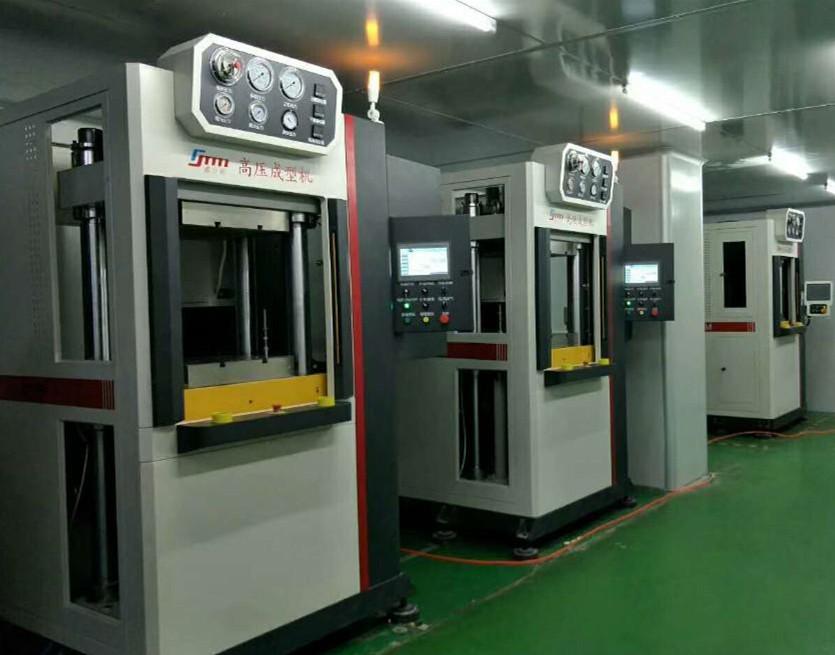
| Industry Category | Others |
|---|---|
| Product Category | |
| Brand: | XTM |
| Spec: | XTM109 |
| Manufacturer: | 鑫台铭 |
| Origin: | 113502 |


