


Manufacturer of Flue Gas Desulfurization and Denitrification Equipment for Tire Cracking Furnaces
Contact Info
- Add:Changle Village, Wangwu Town, Botou City, Zip: 062155
- Contact: 常守峰
- Tel:13011424488
- Email:747569321@qq.com
Other Products


Introduction to Manufacturers of Flue Gas Desulfurization and Denitrification Equipment for Tire Cracking Furnaces:
What is the wet treatment of flue gas desulfurization and denitrification equipment for cracking furnaces?Flue gas desulfurization and denitrification equipment for cracking furnaces is used to treat the flue gas generated by cracking furnaces, reducing pollutants such as sulfur dioxide (SO2) and nitrogen oxides (NOx). The following is a detailed introduction to flue gas desulfurization and denitrification equipment for cracking furnaces:
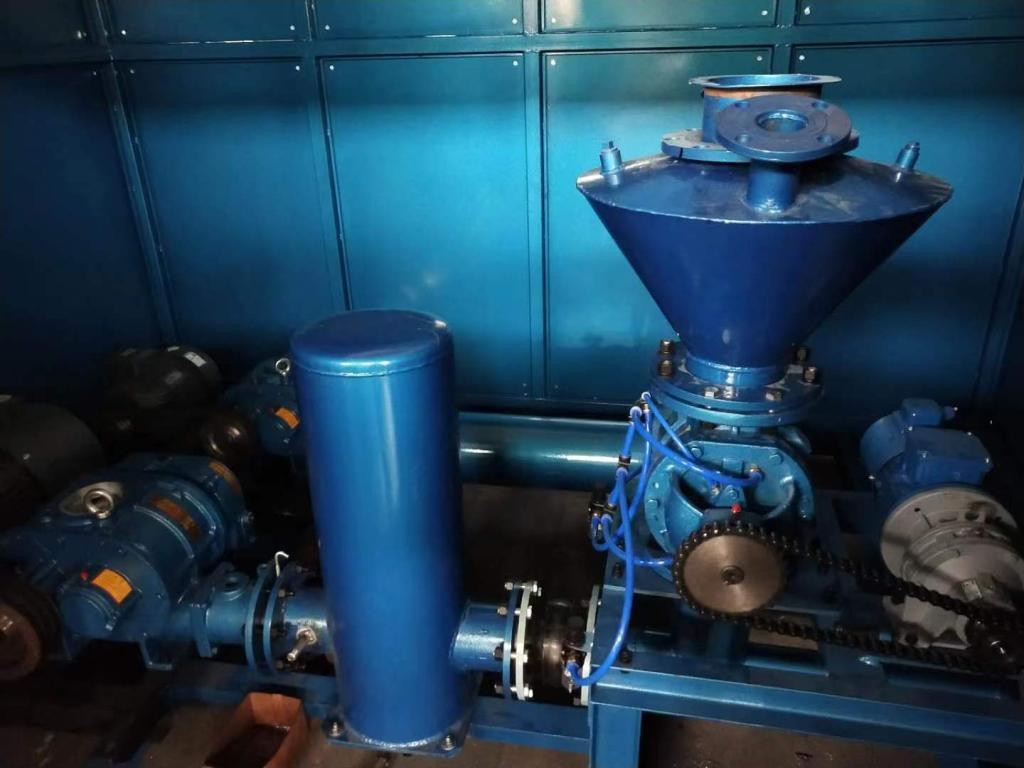
I. Equipment Overview
Flue gas desulfurization and denitrification equipment for cracking furnaces typically consists of a desulfurization system and a denitrification system, which can operate independently or be combined into an integrated unit. The desulfurization system primarily removes SO2 from the flue gas, while the denitrification system focuses on reducing NOx emissions.
II. Desulfurization System
The working principle of the desulfurization system mainly involves using alkaline desulfurizing agents (such as limestone, CaO, sodium hydroxide, etc.) to chemically react with SO2 in the flue gas, generating harmless substances like sulfates (e.g., CaSO4). Desulfurization technologies are broadly classified into wet desulfurization and dry desulfurization.
- Wet Desulfurization: Wet desulfurization technology is mature and highly efficient, but it may involve issues such as wastewater treatment and equipment corrosion. Common wet desulfurization technologies include the limestone-gypsum method and the ammonia method.
- Dry Desulfurization: Dry desulfurization technology is relatively simple, requires less space, and does not need a wastewater treatment system, but its desulfurization efficiency may be slightly lower. Common dry desulfurization technologies include circulating fluidized bed desulfurization and in-furnace calcium injection desulfurization.
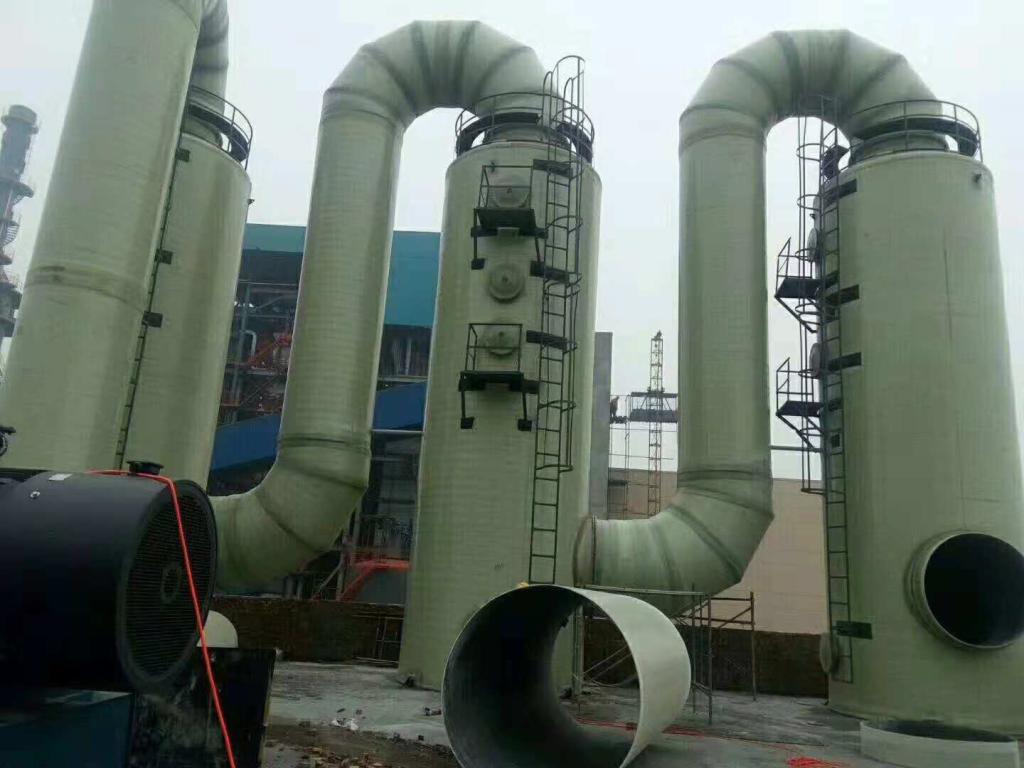
III. Denitrification System
The working principle of the denitrification system mainly involves using reducing agents to reduce NOx in the flue gas to nitrogen (N2), thereby removing NOx. Denitrification technologies are also divided into wet and dry methods, but dry denitrification is more common in practical applications.
- Selective Catalytic Reduction (SCR) Denitrification: SCR denitrification technology uses catalysts to promote the selective catalytic reduction reaction between NOx and reducing agents (such as ammonia or urea) at relatively low temperatures, producing nitrogen and water. This technology offers high denitrification efficiency, but the catalysts are costly and require regular replacement.
- Selective Non-Catalytic Reduction (SNCR) Denitrification: SNCR denitrification technology does not require catalysts. Instead, reducing agents are directly injected into the flue gas at high temperatures, causing a chemical reaction with NOx to produce nitrogen. This technology is simple in process but has relatively lower denitrification efficiency and consumes large amounts of reducing agents.
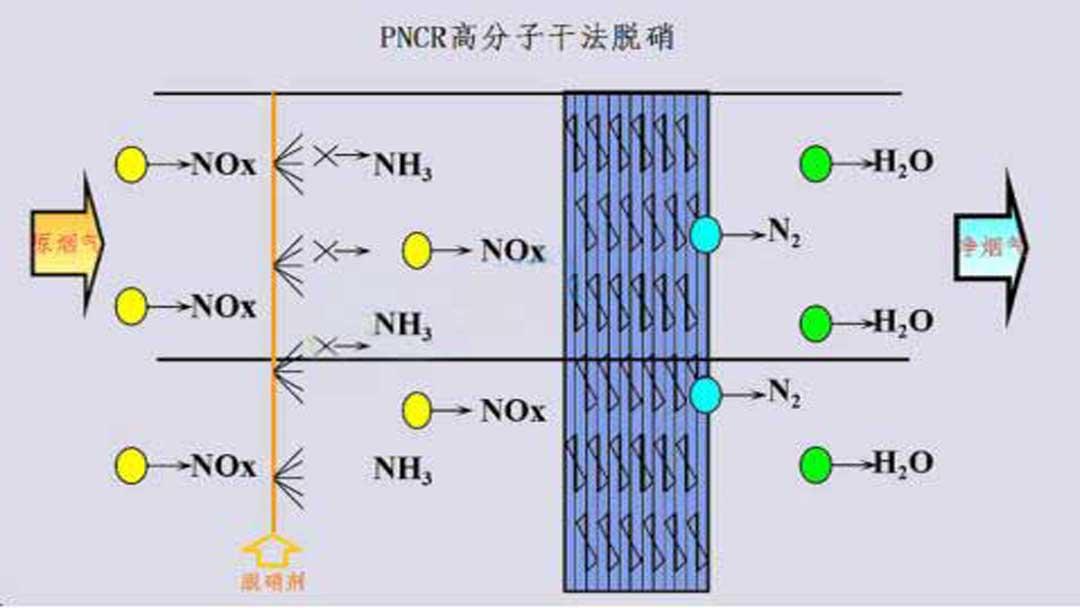
- Polymer Denitrification: Polymer denitrification is a novel dry denitrification technology that uses polymer organic compounds as reducing agents. These agents are injected into the flue gas within a specific temperature window to undergo a reduction reaction with NOx. This technology offers high denitrification efficiency (over 85%), simple process, ease of use, and flexible spatial arrangement. Additionally, polymer denitrification agents are non-polluting, non-hazardous, and highly safe.
| Industry Category | Others |
|---|---|
| Product Category | |
| Brand: | 实恒 |
| Spec: | SH-PNCR |
| Stock: | 10 |
| Manufacturer: | 泊头市实恒除尘设备有限公司 |
| Origin: | 111309 |


