


Dry desulfurization and denitrification integrated equipment
Contact Info
- Add:Changle Village, Wangwu Town, Botou City, Zip: 062155
- Contact: 常守峰
- Tel:13011424488
- Email:747569321@qq.com
Other Products


Product Introduction of Dry Flue Gas Desulfurization and Denitrification Integrated Equipment:
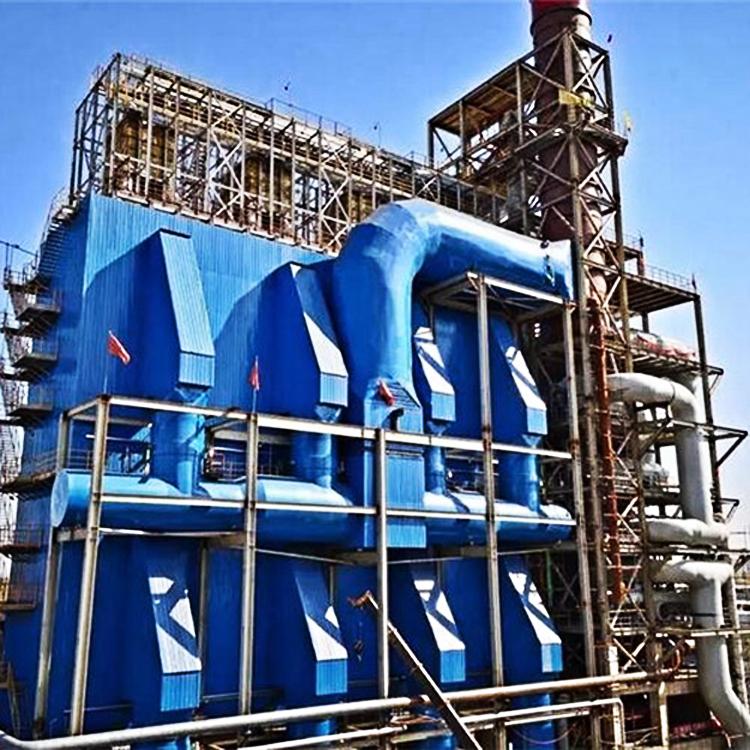
Dry flue gas desulfurization and denitrification integrated equipment is an environmental protection device that combines desulfurization and denitrification functions. It can remove sulfur dioxide (SO2) and nitrogen oxides (NOx) from flue gas through adsorption, catalysis, or other chemical reactions without using water. The following is a detailed introduction to dry flue gas desulfurization and denitrification integrated equipment:
I. Equipment Principle
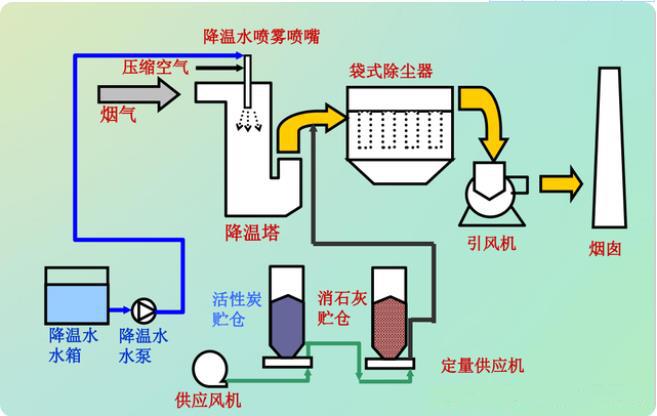
Dry flue gas desulfurization and denitrification integrated equipment primarily uses adsorbents (such as activated carbon, activated coke, limestone, etc.) or catalysts (such as vanadium-titanium catalysts) to remove pollutants from flue gas. In the desulfurization process, the adsorbent reacts with SO2 in the flue gas to form solid products (such as sulfates), thereby achieving desulfurization. In the denitrification process, NOx is converted into harmless nitrogen (N2) and water (H2O) through selective catalytic reduction (SCR) or non-catalytic reduction (SNCR) technologies.
II. Equipment Types
Dry flue gas desulfurization and denitrification integrated equipment can be divided into various types based on specific processes and technologies, including but not limited to:
- Solid-Phase Absorption/Regeneration Method: Uses adsorbents such as activated carbon or activated coke for desulfurization and denitrification. After saturation, the adsorbent can be regenerated to restore its activity.
- Gas/Solid Catalytic Simultaneous Desulfurization and Denitrification Technology: Achieves both desulfurization and denitrification simultaneously under the action of a catalyst.
- Sorbent Injection Method: Injects dry powdered sorbents (such as limestone) into the flue gas to react with SO2 and NOx.
- High-Energy Electron Activation Oxidation Method: Uses technologies such as high-energy electron beams or plasma to activate molecules in the flue gas, promoting their reaction with sorbents.

III. Equipment Advantages
- High Efficiency: Dry flue gas desulfurization and denitrification integrated equipment typically offers high desulfurization and denitrification efficiency, meeting stringent environmental requirements.
- Cost-Effectiveness: Compared to wet desulfurization and denitrification technologies, dry equipment generally has lower operating costs and requires less space.
- Environmental Friendliness: Dry equipment does not produce secondary pollutants such as wastewater, making it environmentally friendly.
- Flexibility: Dry equipment is suitable for various types of flue gas treatment, including high-temperature, high-humidity, and high-concentration SO2 and NOx flue gases.
IV. Application Scenarios
Dry flue gas desulfurization and denitrification integrated equipment is widely used in industrial sectors such as thermal power plants, steel smelting, cement production, and glass manufacturing. These industries generate large amounts of sulfur- and nitrogen-containing exhaust gases during production. Treatment with dry flue gas desulfurization and denitrification integrated equipment can significantly reduce pollutant concentrations in exhaust gases, meeting environmental emission standards.
V. Equipment Selection and Optimization
When selecting dry flue gas desulfurization and denitrification integrated equipment, the following factors need to be considered:
- Exhaust Gas Characteristics: Including the concentration, temperature, and humidity of SO2 and NOx in the exhaust gas.
- Emission Requirements: Determining the emission limits for sulfur dioxide and nitrogen oxides based on local environmental regulations and standards.
- Economic Considerations: Comprehensively evaluating factors such as equipment investment costs, operation and maintenance costs, and energy-saving benefits.
| Industry Category | Machinery & Equipment/Air Purification Equipment/Desulfurization & Dust Removal Equipment |
|---|---|
| Product Category | |
| Brand: | 实恒 |
| Spec: | TLTX |
| Stock: | 20 |
| Manufacturer: | 泊头市实恒除尘设备有限公司 |
| Origin: | 111309 |


