


Biomass boiler desulfurization, denitrification, and dust removal equipment
Contact Info
- Add:Changle Village, Wangwu Town, Botou City, Zip: 062155
- Contact: 常守峰
- Tel:13011424488
- Email:747569321@qq.com
Other Products


Biomass Boiler Desulfurization, Denitrification, and Dust Removal Equipment Product Introduction:
Biomass boiler desulfurization, denitrification, and dust removal equipment are core devices for industrial exhaust gas treatment, primarily used to remove sulfur oxides (SO₂), nitrogen oxides (NOx), and dust particles from flue gas to meet environmental emission standards. The following are its key technologies and application features:
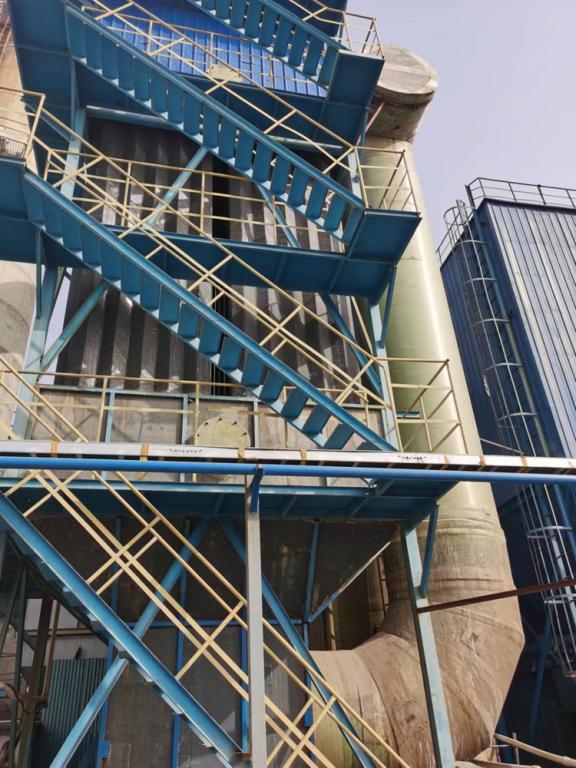
I. Core Processes and Technical Principles
Desulfurization Technology
Dry Desulfurization: Uses desulfurizing agents (such as limestone powder) mixed with flue gas in a desulfurization tower, enhancing gas-solid contact efficiency through a Venturi structure to remove acidic substances like sulfur dioxide.
Wet Desulfurization: Such as the limestone-gypsum method, absorbs sulfur dioxide through a spray scrubber tower, with desulfurization efficiency reaching over 95%, suitable for industries like chemicals and pharmaceuticals.
Denitrification Technology
SCR (Selective Catalytic Reduction): Under the action of a catalyst, ammonia (NH₃) reacts with nitrogen oxides to produce nitrogen and water, suitable for high-temperature environments (280–420°C). The catalyst must be sulfur-resistant and water-resistant.
SNCR (Selective Non-Catalytic Reduction): Does not require a catalyst; directly reduces nitrogen oxides by spraying ammonia, but with lower efficiency, often used in small and medium-sized boilers.
Dust Removal Technology
Baghouse Dust Removal: Uses high-temperature-resistant filter bags (such as PPS, PTFE) to filter dust, with a dust removal rate of 98%–99%, suitable for high-dust environments.
Ceramic Fiber Filter Tubes: Combine filtration and catalytic functions. Dust is trapped on the outer surface of the filter tube, while nitrogen oxides are catalytically reduced inside the tube, achieving integrated treatment.
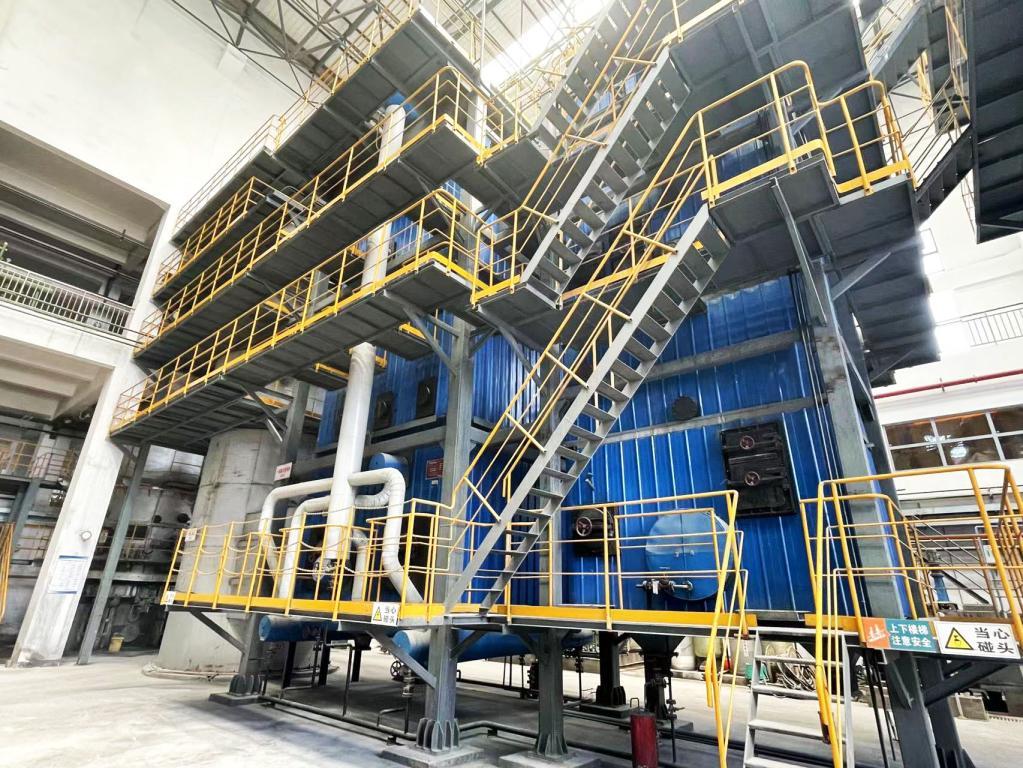
II. Advantages of Integrated Equipment
High-Temperature Adaptability: Metal fiber filter tubes or ceramic filter tubes can operate stably at 280–420°C, avoiding energy consumption from flue gas cooling.
Ultra-Low Emissions: Dust emissions can be below 10mg/m³, and nitrogen oxides below 50mg/m³, meeting stringent environmental standards.
Energy Savings and Reduced Consumption: Through material recycling, catalyst optimization, and other technologies, ammonia usage and operating costs are reduced.
III. Typical Application Scenarios
Cement/Glass Kilns: High-temperature flue gas requires simultaneous desulfurization, denitrification, and dust removal. Metal fiber filter tube solutions offer strong applicability.
Steel/Chemical Industries: Wet desulfurization combined with SCR denitrification, paired with baghouse dust removal, addresses complex flue gas compositions.
Waste Incineration: Integrated equipment can simultaneously remove dioxins and fluorides without wastewater discharge.
IV. Intelligence and Maintenance
Automatic Control: Uses PLC systems to adjust the dosage of desulfurizing agents and ammonia water in real-time, optimizing reaction efficiency.
Easy Maintenance: Modular design supports quick replacement of filter bags or catalysts, reducing downtime.
V. Technology Development Trends
Low-Temperature SCR: Developing new catalysts (such as manganese-based, vanadium-based) to reduce reaction temperatures to below 200°C, lowering energy consumption.
Resource-Based Denitrification: Converting nitrogen oxides into raw materials for fertilizers to improve economic efficiency.
Ammonia-Free Denitrification: Exploring polymer-based dry denitrification agents to avoid ammonia escape issues.
| Industry Category | Chemicals/Chemical Intermediates/Intermediate Compounds |
|---|---|
| Product Category | |
| Brand: | 实恒 |
| Spec: | SCR |
| Stock: | 10 |
| Manufacturer: | 泊头市实恒除尘设备有限公司 |
| Origin: | 111309 |


