


Motor test platform, cast iron 250 material with high flexibility.
Contact Info
- Add:, Zip: 061000
- Contact: 谢佳宁
- Tel:15350773479
- Email:3622313939@qq.com
Other Products


Improving Motor Test Accuracy: Choosing the Appropriate Test Platform Is Crucial
In the process of motor research, development, and production, test accuracy directly determines the level of product performance evaluation and quality control. How to select the right test platform has become a key link for enterprises to enhance motor performance and reduce R&D costs. This article will delve into ways to improve motor test accuracy from aspects such as core parameters of test platforms, system composition, selection points, and industry development trends.
1. The Relationship Between Core Parameters of Test Platforms and Accuracy
The accuracy of motor test platforms is mainly reflected in the measurement precision of key parameters such as torque, speed, and power. Taking torque measurement as an example, high-precision test platforms typically use non-contact torque sensors, with measurement accuracy reaching ±0.1% FS (full scale), far exceeding the ±0.5% FS of ordinary contact sensors. In terms of speed measurement, systems using high-resolution encoders can achieve a measurement accuracy of ±0.01%, meeting the demands of the field.
The impact of temperature on test accuracy cannot be ignored. Experimental data show that for every 10°C increase in motor winding temperature, the resistance value changes by approximately 4%, directly affecting efficiency calculations. Therefore, modern test platforms commonly integrate temperature compensation functions, using multi-channel thermocouples for real-time mon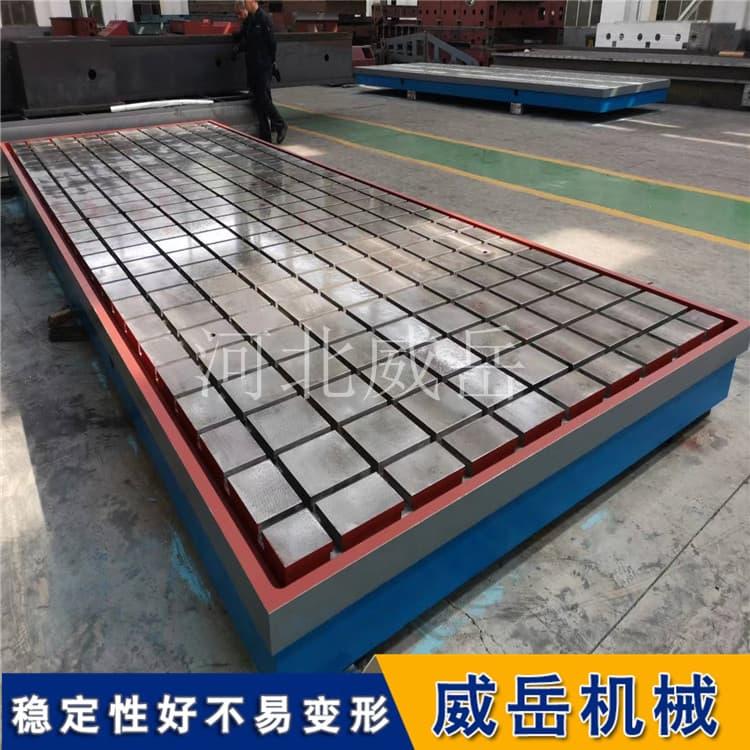 itoring of key temperatures to ensure test data is unaffected by environmental fluctuations.
Dynamic response characteristics are equally important. In new energy vehicle motor testing, test platforms are required to respond to load changes within milliseconds. Currently, mainstream high-dynamic performance test benches use direct drive technology, with torque response times <5ms, enabling simulation of transient processes under actual working conditions.
2. Analysis of Test Platform System Composition
A complete motor test system consists of three core modules: mechanical load-bearing platform, measurement and control system, and data analysis software. In terms of the mechanical platform, the high-rigidity cast iron base of a certain Swiss brand can control vibration amplitude within 0.01mm, avoiding interference from mechanical resonance on test results. The measurement and control system adopts a distributed architecture, combining FPGA with a real-time operating system to achieve a control cycle and ensure synchronization of sampling and control.
Sensor configuration directly affects test dimensions. Research by an international testing agency shows that using a multi-modal sensing system comprising three-axis vibration sensors, acoustic arrays, and infrared thermal imagers can increase fault diagnosis accuracy to 98%. For new energy drive motors, high-voltage insulation monitoring modules and EMC test units are also required to meet electrical safety standards.
Software algorithms are the "wings" for improving accuracy. Advanced parameter identification algorithms can complete automatic calibration of all motor parameters within 30 seconds, improving efficiency by 20 times compared to traditional methods. The application of machine learning technology enables test platforms to have self-learning capabilities, dynamically optimizing test processes based on historical data.
Improving motor test accuracy is a systematic project that requires comprehensive consideration of technological innovations in multiple dimensions such as measurement principles, mechanical design, control algorithms, and data processing. With the advancement of the China Manufacturing 2025 strategy, domestic test platforms have made breakthroughs in dynamic response (already achieving ±0.05% accuracy) and intelligence levels, but continuous investment is still needed in basic sensor components and standard system construction. It is recommended that enterprises establish a full lifecycle cost model during selection, focusing not only on equipment procurement prices but also evaluating the long-term impact of test data value on product competitiveness. In the future, next-generation test platforms incorporating digital twins, artificial intelligence, and new materials will propel motor testing into a new stage of "predictive testing."
Weiyue Machinery, Ms. Xie 15350773479
| Industry Category | Hardware & Tools/Castings/Iron Castings |
|---|---|
| Product Category | |
| Brand: | 河北威岳 |
| Spec: | 2000*4000 |
| Manufacturer: | 河北威岳机械 |
| Origin: | 113101 |


