


Cast iron assembly platform
Contact Info
- Add:, Zip: 061000
- Contact: 谢佳宁
- Tel:15350773479
- Email:3622313939@qq.com
Other Products


The cast iron assembly platform, this seemingly ordinary yet mysteriously captivating machining giant, has always been a reliable assistant in the assembly and debugging of power mechanical equipment. With its stability, high precision, and excellent processing performance, it has earned widespread acclaim in the field of mechanical processing. However, like any mechanical equipment, cast iron assembly platforms can also encounter malfunctions. How to troubleshoot and ensure the platform's normal operation has become a significant technical challenge. 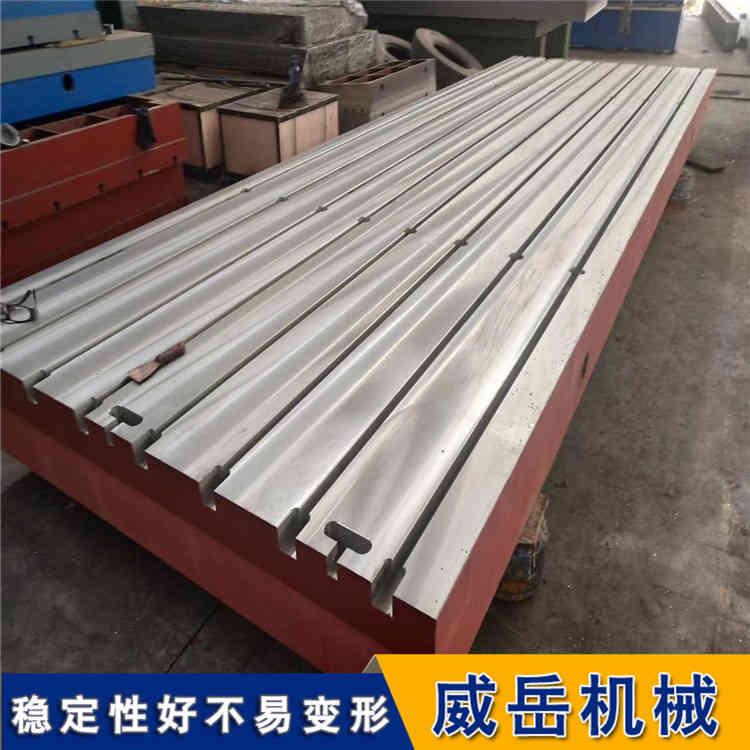
The cast iron assembly platform, also known as the cast iron plate, is an important piece of equipment in the field of mechanical processing. Its unique T-slot design not only ensures the platform's performance in stabilizing power mechanical equipment but also plays a crucial role in applications such as fitter plates. For large cast iron assembly platforms, they can even be used in assembled configurations to meet processing needs of varying scales. This flexibility and practicality have established the cast iron assembly platform as a pivotal component in the mechanical processing industry.
However, during use, cast iron assembly platforms inevitably encounter various malfunctions. These issues may arise from excessive collisions between workpieces and the platform or result from improper use or maintenance. Regardless of the cause, malfunctions can disrupt the normal operation of the cast iron assembly platform and may even lead to reduced processing quality or equipment damage.
When facing these malfunctions, the first step is to conduct a fault diagnosis. This requires careful observation and inspection of all parts of the cast iron assembly platform to determine the specific cause of the malfunction. Instruments and equipment can be used to test various components, recording potential fault phenomena and abnormalities. Based on this information, we can preliminarily identify the possible location of the fault, providing a basis for subsequent troubleshooting and repairs.
Fault localization is a critical step in troubleshooting. Based on the symptoms of the malfunction and the recorded information, we need to further pinpoint which specific component or part is affected. This may require disassembling and inspecting certain parts to more accurately determine the source of the fault. During disassembly and inspection, extra care must be taken to avoid causing secondary damage to the equipment.
Once the location of the fault is identified, repairs can begin. Repair measures may include replacing damaged parts, repairing or readjusting components, cleaning, lubricating, and other operations. During the repair process, it is essential to follow relevant operating procedures and safety standards to ensure the smooth progress of the work. Additionally, rigorous testing of the repaired cast iron assembly platform is necessary to confirm that it has returned to normal operation and meets processing requirements.
Beyond troubleshooting, daily maintenance and upkeep of the cast iron assembly platform are key to ensuring its long-term stable operation. Regular cleaning and lubrication of the platform, checking the tightness of all components, and promptly identifying and addressing potential issues are essential. Furthermore, attention must be paid to the platform's usage environment and methods to avoid damage or malfunctions caused by overuse or improper use.
Ms. Xie, Weiyue Machinery, 15350773479
| Industry Category | Hardware & Tools/Castings/Iron Castings |
|---|---|
| Product Category | |
| Brand: | 河北威岳 |
| Spec: | 2000*4000 |
| Manufacturer: | 河北威岳机械 |
| Origin: | 111309 |


