


Transformer Oil Gas Chromatograph GC-7900 Specialized Chromatograph for Power Plants
Other Products


Transformer Oil Gas Chromatograph GC-7900 Specialized Chromatograph for Power Plants
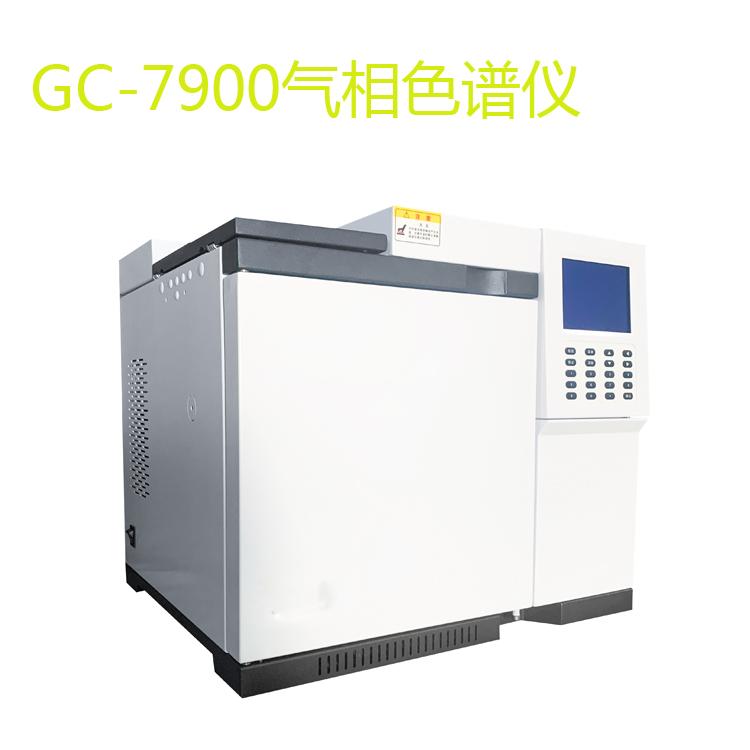
Transformer Oil Gas Chromatograph Analyzer Importance:
1. Enhance Equipment Reliability: By timely monitoring chemical changes in transformer oil, potential faults can be predicted, and maintenance measures can be taken early to avoid power outages and losses caused by equipment failures.
2. Extend Equipment Lifespan: Chromatographic analysis of transformer oil helps detect internal issues in transformers early, such as insulation aging and arc discharge, ensuring normal operation and extending the equipment's service life.
3. Reduce Maintenance Costs: By regularly monitoring the quality and condition of transformer oil and formulating effective maintenance plans, the Transformer Oil Gas Chromatograph Analyzer can avoid unnecessary repairs or replacements, thereby lowering maintenance costs and downtime.
IV. Transformer Oil Gas Chromatograph Analyzer Operation and Maintenance
Instrument Startup and Setup:
Before starting the instrument, open nitrogen, hydrogen, and air in sequence. After the pressure rises to the normal level, turn on the main power of the instrument.
- Set the instrument temperatures, including column temperature, detector temperature, and vaporization temperature. Specific temperatures should be set based on instrument debugging. The instrument features automatic ignition and bridge current application, so simply turning on the power is sufficient.
Software Operation:
After ensuring the Dissolved Gas Component Analyzer in Transformer Oil is functioning properly, open the computer workstation, create a new analysis method, and then open channels A and B.
Double-click on channel A to select the transformer oil analysis method, create a new calibration curve, and input concentrations according to the standard gas cylinder. Channel B should also use the same method file.
Sample Injection and Analysis:
Before injecting standard samples, click the "Start Button" on the left side of the chromatograph to check the baseline stability of channel A.
Then, inject the standard gas (injection volume: 1 ml). During injection, keep both hands away from the detector to prevent burns. Insert the needle quickly and withdraw it promptly after injection. Click the "Start Button" on the left side of the chromatograph again.
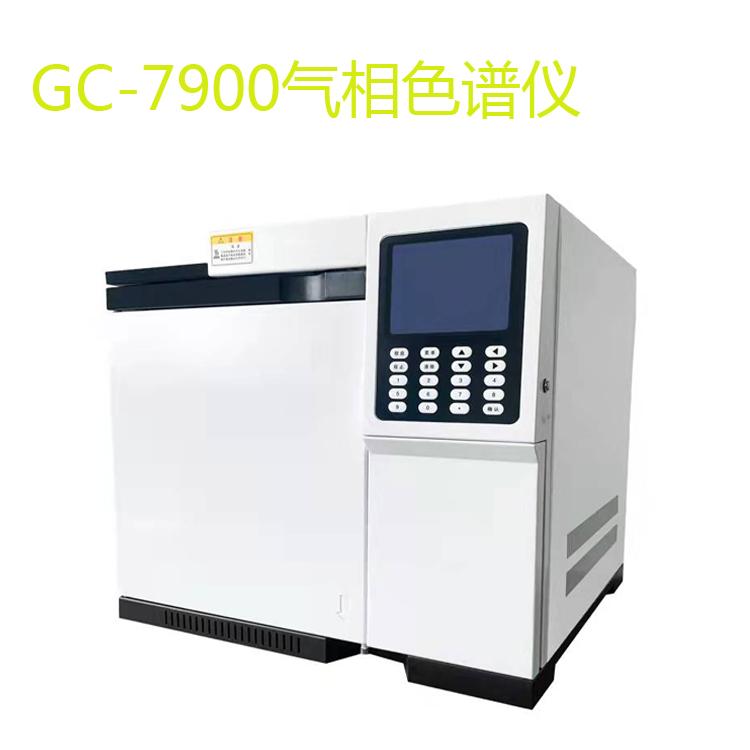
Gas Chromatograph Detector Technical Parameters:
Hydrogen Flame Ionization Detector (FID)
● Detection Limit: Mt ≤ 3 × 10⁻¹² g/s (n-hexadecane-isooctane solution);
● Baseline Noise: ≤ 0.02 mV
● Baseline Drift: ≤ 0.15 mV/h
● Linear Range: ≥ 10⁷
● Maximum Operating Temperature: ≤ 400°C
Thermal Conductivity Detector (TCD)
● Sensitivity: S ≥ 3500 mV·ml/mg
● Baseline Noise: ≤ 0.02 mV
● Baseline Drift: ≤ 0.15 mV/h
● Linear Range: ≥ 10⁵
| Industry Category | Chemicals/Petrochemicals/Crude Oil |
|---|---|
| Product Category | |
| Brand: | 烜晟科仪 |
| Spec: | GC-7890 |
| Stock: | 999 |
| Manufacturer: | 上海 |
| Origin: | 113120 |


