


Oil-water separator LTYS-I type
Contact Info
- Add:洪湖市滨湖办事处工业开发区, Zip: 433200
- Contact: 文红霞
- Tel:0716-2263888
- Email:HHLTGS@163.COM
Other Products


Working Principle
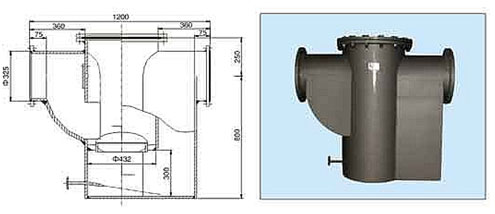
The oil-water separator operates based on the principles of water density and buoyancy. It utilizes a flat-shaped float with a density between that of oil and water to control the opening and closing of the circular orifice, thereby regulating the drainage channel and tank wall connection.
Operating States:
1. When the medium in the pipeline is entirely water or contains minimal floating oil, the float is buoyed up, keeping the channel open and allowing water to discharge.
2. When the medium is entirely oil, the oil pushes the water in the buffer chamber downward. As water decreases and oil increases in the buffer chamber, the buoyancy on the float reduces. When the buoyant force becomes less than the float's weight, the float sinks and blocks the circular orifice (i.e., closes), preventing oil from flowing out.
3. When the pipeline contains a mixture of oil and water, the inlet channel and buffer chamber form a water seal with the drainage channel. Water discharges from the bottom of the buffer chamber, while oil flows back from the top.
4. When there is no medium in the pipeline, a certain water level is maintained inside the device, keeping the float in a constant buoyant state. This allows water in the oil tank area to be discharged normally at any time. Maintaining a specific water level in the buffer chamber ensures the channel remains open and forms a water seal, isolating the valve前后的 drainage通道 for area safety.
Scope of Application
This product is suitable for drainage pipelines in areas where the oil density is ≤970 kg/m³. It specifically meets the requirements for automatic discharge of rainwater and sewage in oil production facilities and storage tank areas without manual intervention. It automatically prevents serious consequences caused by oil spillage under abnormal conditions.
Installation and Maintenance
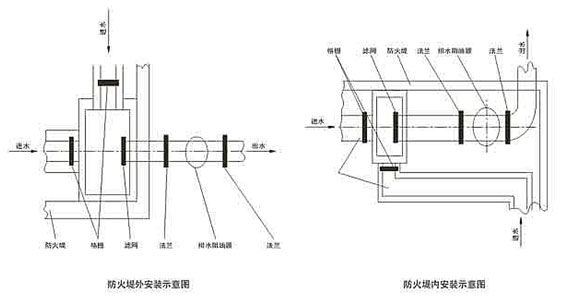
1. During installation, the product should be kept level with the drainage pipeline.
2. After installation, inject a certain amount of water into the valve through the flushing pipe to suspend the float before the valve can operate normally.
3. Regularly clean the sediment in the sand settling well to ensure proper valve function.
4. Periodically use the flushing pipe to remove sludge or deposits inside the valve.
5. Regularly clean and inspect the float inside the valve.
Available product specifications: DN250, DN300, DN350 (three types), with a design pressure of 1.0 MPa.
The main material is carbon steel, and the float is made of stainless steel. The flange standard is SH3406-96, but the main material or flange standard can also be specified by the user.
| Industry Category | Machinery & Equipment/Filtration Equipment/Filtration Membranes |
|---|---|
| Product Category | |
| Brand: | |
| Spec: | |
| Origin: | 114210 |


