Toocle find for you 751 information about the to-whatapp.hl.cn, total 38 pages
XMC to PXIE Carrier Board Adapter Card
$100
Category: Instruments & Meters/Specialized Instruments/Other Specialized Instruments
Company: 天津拓航科技有限公司
Product Description: # Interpreting the XMC to PXIE Carrier Board Adapter Card: A Key Bridge to Break Through Interface LimitationsIn today's rapidly advancing technological field, the performance and functionality of electronic devices continue to improve, while compatibility and communication issues between different interface standards are becoming increasingly prominent. The XMC to PXIE carrier board adapter card, as an innovative solution, plays a crucial role in enabling the connection and data exchange between XMC and PXIE interfaces.First, let's understand the XMC and PXIE interfaces. The XMC (eXtended Mezzanine Card) interface is commonly used in embedded systems and industrial control, featuring compact size, high performance, and strong scalability. The PXIE (PCI Express for Instrumentation and Embedded Systems) interface, on the other hand, is an optimized interface standard based on PCI Express for instrumentation and embedded systems, offering higher bandwidth, lower latency, and more reliable performance. The core function of the XMC to PXIE carrier board adapter card is to achieve seamless conversion between these two interfaces.From a physical structure perspective, the adapter card typically includes an XMC slot and a PXIE interface. When a device with an XMC interface needs to communicate with a system based on the PXIE interface, the adapter card serves as the connecting link between the two.In terms of working principles, when a device with an XMC interface sends data, the internal circuitry of the adapter card responds quickly. It parses and processes the signals from the XMC interface, repackaging and encoding the data according to the protocol and format of the PXIE interface. This process involves a series of complex operations, such as data bit adjustment, clock synchronization, and control signal conversion, to ensure that the data can be transmitted accurately and without errors on the PXIE bus. Conversely, when data from the PXIE bus needs to be transmitted to a device with an XMC interface, the adapter card performs the reverse conversion process. It decodes and parses the received PXIE data, then converts it into a format that the XMC interface can recognize and process, ultimately delivering it to the connected XMC device.The application scenarios for this adapter card are very broad.In the field of industrial automation, it enables traditional industrial control devices based on the XMC interface to seamlessly integrate with advanced automation systems using the PXIE architecture, improving production efficiency and control precision.In the test and measurement industry, the XMC to PXIE carrier board adapter card can combine specialized XMC test modules with high-performance PXIE test platforms, providing stronger support for complex testing tasks. In the aerospace and defense sectors, it helps integrate older avionics equipment with XMC interfaces into new PXIE systems, reducing the cost and risk of system upgrades. However, using the XMC to PXIE carrier board adapter card is not without challenges. Due to the complex conversion between two different interface standards, there may be issues such as signal attenuation, compatibility problems, and performance loss. To overcome these issues, the design of the adapter card must fully consider factors such as electrical characteristics, signal integrity, and heat dissipation. Additionally, in practical applications, rigorous testing and optimization are required to ensure the adapter card operates stably and reliably.Overall, the XMC to PXIE carrier board adapter card is a key bridge connecting different technological fields, providing an effective solution for enabling collaborative work between XMC devices and PXIE systems. It not only expands the application scope of existing devices but also offers more possibilities for technological innovation and development, playing an indispensable role in promoting the upgrade and optimization of electronic systems.The application areas of the XMC to PXIE carrier board adapter card include, but are not limited to, the following aspects:1.Industrial Automation: Used to connect older industrial control devices with XMC interfaces to new PXIE-based automation control systems, enabling device upgrades and integration, and improving production efficiency and precision.2.Test and Measurement: Integrating XMC interface-specific test modules into PXIE test platforms to perform complex electronic and electrical parameter measurements and analysis.3.Communications: In the development and production of communication equipment, enabling the connection between XMC interface communication components and PXIE architecture communication test systems for performance testing and optimization.4.Aerospace: Integrating older XMC interface electronic components in aircraft, satellites, and other aerospace equipment into new PXIE systems, reducing system update costs, and ensuring device stability and reliability.5.Scientific Research: In experimental setups for scientific research, combining XMC interface scientific instruments with advanced PXIE data acquisition and processing systems to obtain more accurate and abundant data.6.Automotive Electronics: Used in the development and testing of automotive electronic systems, connecting XMC interface-specific automotive testing equipment with PXIE architecture in-vehicle electronic test platforms.7.Medical Equipment: Integrating XMC interface medical detection modules into PXIE architecture medical diagnostic devices to enhance the functionality and performance of medical equipment.8.Energy Sector: For example, in power system monitoring and control, connecting XMC interface power monitoring devices to PXIE architecture energy management systems. more>
Send Inquiry

32-bit PCI to CPCI Adapter Board
$20000
Category: Chemicals/Chemical Intermediates/Intermediate Compounds
Company: 天津拓航科技有限公司
Product Description: 32-bit PCI to CPCI Adapter Board, Debug CardCompliant with PICMG 2.0 D3.0 specification;Supports 33MHz speed;Supports 32-bit bus;Functional Description1. Gold immersion process for better contact;2. Four-layer board design for better anti-interference;3. Signal lines with equal-length processing for more stable data;4. Data lines with impedance matching for more stable transmission;5. External power supply support for 5V and 3.3V, making debugging more convenient;6. PCI to CPCI 3U adapter card, used for debugging CPCI devices in a PCI chassisSpecial RequirementsIf you need to learn about other usage methods, please contact us.AccessoriesNo accessories includedSoftwareThis card does not require any driver installation.No register operations needed; after installing a PMC daughter card onto this interface card, the driver requires no modifications.Ordering GuidePCI2CPCI  Used for the development and debugging of CPCI boards in 32-bit PCI slots, enabling convenient development, debugging, and testing of CPCI boards on desktop computers more>
Send Inquiry

PCIe to PMC carrier board adapter card
Negotiable
Category: Instruments & Meters/Specialized Instruments/Other Specialized Instruments
Company: 天津拓航科技有限公司
Product Description: Understanding PCIE to PMC Carrier Board Adapter Cards: Bridging the Interface GapIn today's era of rapid technological advancement, continuous innovation and upgrades in computer hardware have brought more powerful performance and greater possibilities to various applications. In this process, the need for conversion between different interfaces has become increasingly prominent, and PCIE to PMC carrier board adapter cards are one of the key components addressing this demand.A PCIE to PMC carrier board adapter card, as the name suggests, is a hardware device used to achieve mutual conversion between PCIE (Peripheral Component Interconnect Express) and PMC (PCI Mezzanine Card) interfaces. It builds a communication bridge between hardware of different interface types, enabling devices that were originally incompatible to work together, thereby meeting diverse application needs.PCIE is a high-speed serial computer expansion bus standard with advantages such as high bandwidth, low latency, and excellent scalability, making it one of the mainstream interfaces in modern computer systems. It is widely used in various hardware components such as graphics cards, network cards, and storage devices, providing computers with robust data transmission capabilities. On the other hand, PMC is an interface standard commonly used in specific fields like embedded systems and industrial control. PMC cards typically feature compact sizes and specific functionalities, meeting the demands of space-constrained and specialized application scenarios.When there is a need to connect PCIE-based devices with systems using PMC interfaces, the PCIE to PMC carrier board adapter card plays a critical role. This adapter card contains complex circuits and chips designed to convert, adapt, and route PCIE and PMC signals.From a working principle perspective, when a PCIE device sends data, the adapter card receives and parses the signals from the PCIE bus, converts them into a format compliant with PMC interface specifications, and transmits them to the connected PMC device via the corresponding lines. Conversely, when a PMC device sends data to the computer, the adapter card performs the reverse conversion process, ensuring the data can be correctly received and processed on the PCIE bus.PCIE to PMC carrier board adapter cards bring convenience and innovation to many application scenarios.In the field of industrial automation, they can integrate high-performance PCIE data acquisition cards with PMC-based industrial controllers, enabling precise monitoring and control of production processes.In aerospace and defense, adapter cards allow advanced PCIE communication devices to seamlessly interface with PMC architecture devices in avionics systems, enhancing overall system performance and reliability. In scientific research and testing, they enable the application of the latest PCIE technologies to traditional PMC-based experimental equipment, accelerating research and development processes.Additionally, these adapter cards offer a degree of flexibility and scalability. Some may support multiple PMC slots or feature configurable parameters to meet the specific needs of different application scenarios. At the same time, as technology continues to advance, the performance of adapter cards is constantly improving, better addressing the growing demands for data transmission speeds and complexity.However, using PCIE to PMC carrier board adapter cards is not without challenges. Due to the conversion between different interface standards, there may be some signal loss and compatibility issues. To ensure stable performance, it is essential to choose reliable adapter cards and perform proper installation and configuration. For applications with extremely high real-time and reliability requirements, rigorous testing and validation are also necessary.In summary, PCIE to PMC carrier board adapter cards are critical connectivity components in the field of computer hardware. They break through interface limitations, promoting integration and collaboration between different types of devices. Whether in industry, research, or other professional fields, these adapter cards provide strong support for technological development and application innovation, demonstrating their significant value and role in the field of interface conversion.The working principle of PCIE to PMC carrier board adapter cards primarily involves the following key steps and processes:1.Signal Reception - When a PCIE device sends data to the bus, the PCIE to PMC carrier board adapter card first receives the electrical signals from the PCIE device through its PCIE interface.2.Signal Decoding and Conversion - The received PCIE signals are decoded and analyzed by the internal circuitry of the adapter card. These signals include data, control information, and addresses. - The decoded signals are then converted into a format compatible with the PMC interface. This includes data format conversion, control signal mapping, and address re-encoding.3.Data Transmission and Routing - The converted signals are routed through the internal wiring and circuits of the adapter card to the lines connected to the PMC interface. - During this process, the adapter card must ensure data order and integrity to avoid data loss or errors.4.Interaction with PMC Devices - The converted signals are sent to the device connected to the adapter card's PMC interface, enabling data transmission and communication.5.Reverse Operation - When a PMC device sends data to the computer, the process is reversed. Signals received by the PMC interface are converted by the adapter card into a PCIE-compatible format and then transmitted back to the computer system via the PCIE interface.To achieve efficient and accurate signal conversion and transmission, adapter cards typically include dedicated chips and circuits. These components can quickly process large amounts of data while ensuring low latency and high reliability during the conversion process between different interface standards. Additionally, adapter cards must adhere to the relevant specifications and standards of PCIE and PMC interfaces to ensure compatibility and stability with various devices. more>
Send Inquiry
PCI to XMC Carrier Board Adapter Card
Negotiable
Category: Instruments & Meters/Specialized Instruments/Other Specialized Instruments
Company: 天津拓航科技有限公司
Product Description: In-depth Understanding of PCI to XMC Carrier Board Adapter CardIn today's era of rapidly advancing technology, computer hardware and electronic devices feature a multitude of interface standards. To achieve compatibility and communication between different interfaces, various adapter cards have emerged. Among them, the PCI to XMC carrier board adapter card plays a crucial role, providing key solutions for system expansion and functional enhancement.PCI (Peripheral Component Interconnect) is a widely used bus interface standard in computer systems, allowing various external devices to connect and exchange data with the computer motherboard via slots. XMC (eXtended Mezzanine Card), on the other hand, is an expansion interface standard commonly used in embedded systems and industrial control fields, known for its high performance, reliability, and compact design.The PCI to XMC carrier board adapter card, as the name suggests, is a hardware device that converts a PCI interface to an XMC interface. Its development primarily addresses the need to connect and enable collaboration between PCI-based devices and systems supporting XMC interfaces in specific application scenarios.Physically, the PCI to XMC carrier board adapter card typically features a PCI slot and an XMC slot. The PCI slot is used to insert a device card with a PCI interface, while the XMC slot connects to a motherboard or backplane that supports the XMC interface. Inside the adapter card, a series of complex circuits and chips are included to facilitate signal conversion, protocol adaptation, and data transmission between the two interfaces.In terms of working principles, when a PCI-based device sends data to the adapter card, the internal circuitry of the card first receives and processes this data. It converts the signals and data format of the PCI interface into a form recognizable and processable by the XMC interface, including adjustments to data bit width, synchronization of clock signals, and mapping of control signals. The converted data is then transmitted through the XMC slot to the connected system.Conversely, when data is received from the XMC interface, the adapter card performs the reverse operation, converting XMC interface signals into a format understandable by the PCI interface and transmitting them through the PCI slot to the connected PCI device.The application scenarios for such adapter cards are extensive. In industrial automation, many traditional PCI interface control cards and data acquisition cards can be integrated with XMC-based industrial controllers or embedded systems using this adapter, enabling precise control and data monitoring of production processes. In the communications field, PCI to XMC carrier board adapter cards can be used to connect PCI interface communication modules to XMC-based communication devices, enhancing system flexibility and scalability. In research and testing, such adapter cards can integrate existing PCI interface test instruments with new XMC interface test platforms, reducing the cost of equipment updates.However, using PCI to XMC carrier board adapter cards is not without challenges. Due to the conversion between different interface standards, there may be some performance loss and compatibility issues. For example, data transfer rates might be limited, and certain special functions may not be fully realized. Therefore, when selecting and using an adapter card, it is essential to carefully evaluate its performance metrics, compatibility lists, and the specific requirements of the application scenario to ensure it meets actual operational needs.In summary, the PCI to XMC carrier board adapter card is a critical hardware device that bridges different interface standards. It provides an effective means for system upgrades, expansion, and integration, promoting technological convergence and the development of innovative applications. more>
Send Inquiry

PCI to CPCI Carrier Board Adapter Card
$18000
Category: Instruments & Meters/Specialized Instruments/Other Specialized Instruments
Company: 天津拓航科技有限公司
Product Description: PCI to CPCI Carrier Board Adapter Card: A Bridge Connecting Different ArchitecturesIn the continuous evolution of computer technology, the diversity and advancement of hardware interfaces have led to the emergence of various adapter cards to meet the connection and communication needs between different interface standards. Among them, the PCI to CPCI carrier board adapter card, as a critical interfacing device, plays a significant role in enabling the conversion between PCI (Peripheral Component Interconnect) and CPCI (CompactPCI) interfaces.PCI is a widely used bus interface standard in personal computers, providing a means for various expansion cards, such as graphics cards, sound cards, and network cards, to connect to the motherboard and facilitate data transfer. On the other hand, CPCI is a high-performance, high-reliability computer bus standard primarily used in industrial control, communications, aerospace, and other fields. Due to differences in application scenarios and requirements, there are times when PCI-based devices need to be integrated into CPCI architecture systems, or CPCI systems need to interface with existing PCI devices. In such cases, the PCI to CPCI carrier board adapter card becomes an indispensable tool.Physically, the PCI to CPCI carrier board adapter card typically consists of a circuit board with a PCI slot on one end for inserting PCI interface device cards, and a CPCI interface on the other end for connecting to the CPCI bus or backplane. Inside the adapter card, complex circuit designs and chip sets are integrated to facilitate the conversion of electrical characteristics, signal protocols, and data formats between the two different interfaces.In terms of working principles, when a PCI device communicates with a CPCI system via the adapter card, the process begins with the transmission of data and control signals. Signals sent by the PCI device enter the adapter card through the PCI slot, where the internal circuitry processes and converts these signals. This includes adjusting signal levels, adapting data bit widths, handling clock synchronization, and remapping control signals to ensure compliance with CPCI interface specifications and requirements.Specifically, the PCI interface typically uses a 32-bit or 64-bit data bus, while CPCI may have different data bit widths. The adapter card must perform corresponding data bit adjustments and alignment. Additionally, the clock frequencies and timing of PCI and CPCI may differ, requiring the adapter card to use internal clock management circuits to achieve synchronization and coordination, ensuring data is transmitted and received at the correct moments.In terms of control signals, read/write controls, interrupt requests, and other signals in PCI need to be converted into forms that CPCI can understand and process. Furthermore, the mapping and conversion of address signals are critical steps. The address space used by the PCI device must be correctly mapped to the address range of the CPCI system to enable accurate data transmission and device access. After the conversion process by the adapter card, signals compliant with CPCI standards are transmitted via the CPCI interface to the CPCI bus, where they are recognized and processed by other devices or controllers in the CPCI system. Conversely, when the CPCI system sends data or control signals to the PCI device, the adapter card performs the reverse conversion process, transforming CPCI signals into PCI signals to ensure smooth bidirectional communication.The application scenarios for PCI to CPCI carrier board adapter cards are extensive. In the field of industrial automation, many traditional PCI-based control cards, data acquisition cards, etc., can be integrated into CPCI architecture industrial control systems using such adapter cards, enabling monitoring and control of production processes. In the communications industry, certain PCI interface network adapters or communication modules can be connected to CPCI architecture communication devices via adapter cards, enhancing the performance and flexibility of communication systems. In aerospace and other critical mission systems, specific PCI interface devices, such as encryption cards or specialized computing modules, may need to be integrated into high-reliability systems based on CPCI standards. Additionally, in scientific research and testing, such adapter cards can be used to combine existing PCI devices with CPCI architecture test platforms to meet specific experimental and testing needs.However, when using PCI to CPCI carrier board adapter cards, certain issues must be considered. Due to the involvement of interface conversion and signal processing, there may be some performance loss and signal latency. Therefore, in applications with high-performance requirements, it is essential to carefully evaluate the adapter card's performance parameters and indicators to ensure it meets the system's real-time and data transfer rate demands. Additionally, compatibility is an important consideration. PCI devices and CPCI systems from different manufacturers may have slight differences in electrical characteristics and protocol implementations, which could lead to compatibility issues when using adapter cards. Thus, when selecting an adapter card, it is crucial to ensure it has undergone thorough testing and validation to guarantee good compatibility with the PCI devices and CPCI systems in use.In summary, the PCI to CPCI carrier board adapter card serves as a bridge connecting PCI and CPCI interfaces, providing an effective solution for the integration and collaborative operation of devices and systems with different interface standards. It plays a vital role in meeting the special needs of various application scenarios, enabling system upgrades and expansions, and improving device reusability. It offers strong support for the widespread application of computer technology in industries such as industrial control, communications, and aerospace.  more>
Send Inquiry

PCIE to PCI104 Carrier Board Adapter Card
$20000
Category: Instruments & Meters/Specialized Instruments/Other Specialized Instruments
Company: 天津拓航科技有限公司
Product Description: Functional ModelPCIE2PCI104This passive expansion card allows developers to install PCI104 or PC/104plus cards into a universal PCI bus system. The adapter is equipped with a stacking connector.Functional DescriptionSpecificationsCompatible with standards: Universal 3.3V or 5V PCI slotIndustrial temperature operating range: -40 to 85°CConnectors/Interfaces: Includes one shielded PCI104 120-pin stacking connector for connecting to the host CPU board, and PC/104 64-pin and 40-pin passive stacking connector modelsDimensions: 4.913" wide x 4.200" highStandard UsageInsert the adapter into the desired slot in the host system. Connect the test PC/104plus card to the connector. No additional configuration is required. (Note: Each adapter card can only accommodate one PC/104plus card. Ensure that the PC/104+ card under test supports the bus voltage used by the adapter's PCI host system. Refer to your system manual.)Special RequirementsYou may encounter situations where the test card cannot be set to ID0, which is the default configuration of the PCI to PC/104 plus adapter. In such rare cases, you will need the following information to configure the adapter for your specific setup.REQ, GNT, CLK, and IDSEL SelectionEnsure that each card in the PC/104plus stack has a unique set of signals (REQX, GNTX, CLKX, and IDSELX). Multiple copies of these signals exist on the PC/104+ bus, numbered 0 to 3. The REQ, GNT, CLK, and IDSEL jumper blocks route PCI signals to their equivalent PC/104+ signals. If your test card is configured with a different ID, you will need to move the resistors on the adapter to match that ID. For example, if the PC/104 card is set to ID3, move the resistors at the REQ, GNT, CLK, and IDSEL positions on the card surface to row 3 to connect the signals to the test card.Interrupt SelectionIn most cases, the default configuration is sufficient, routing PCI INTA, B, C, and D interrupt lines to the INTA, B, C, and D lines on the PC/104 plus card. If necessary, you can choose to route PCI interrupts to the PCI104 or PC/104 plus interrupt lines via the INTX block. To change the default selection, jumper the corresponding PCI interrupt to route to the INTA, B, C, and D signals on the PC/104plus connector. For example, jumper the adapter INTA C position to route INTA to the PC/104+ NTC card. AccessoriesNo accessories included.SoftwareNo driver installation is required for this card.Software Interface: No register operations are needed. After installing a PMC mezzanine card onto this interface card, no driver modifications are required.Ordering GuidePCIE2PCI104 This passive expansion card allows developers to install PCI104 or PC/104plus cards into a universal PCI bus system. more>
Send Inquiry

Detailed Introduction to Dust Bearings
$80
Category: Hardware & Tools/Rolling Bearings/Other Bearings
Company: 翔业(日照)环保设备有限公司
Product Description: The dust-bearing is an important accessory of the electrostatic precipitator. Below is a detailed introduction about it:Structural Composition: The dust-bearing consists of a support wheel assembly formed by a support wheel shaft, support wheels, and sealing sleeves, as well as support seats, gaskets, locking sleeves, split pins, pin shafts, retaining rings, protective covers, etc. The support wheels are cylindrical, with a clearance fit to the support wheel shaft, and are equipped with grooves that match the sealing sleeves. The support wheel shaft has a narrow section in the middle, with retaining ring grooves and split pin holes at both ends. The base plate of the support seat is rectangular, with fixed bolt holes at both ends and a rectangular hole in the middle for discharging dust. The side plates are symmetrical, featuring inclined slots, locking sleeve holes, and pin shaft installation holes.Working Principle: The dust-bearing is mainly used to support the rapping shaft of the electrostatic precipitator, bearing radial loads. It ensures that the rapping shaft rotates in place without any lateral or longitudinal movement, guaranteeing the normal operation of the rapping shaft and thereby achieving the rapping and cleaning of the precipitator's plates and wires.Structure of the Dust-BearingThe dust-bearing consists of the following components:Support Wheel Shaft: Features a narrow section in the middle, with retaining ring grooves and split pin holes at both ends.Support Wheels: Cylindrical in shape, with a clearance fit to the support wheel shaft, and equipped with grooves that match the sealing sleeves.Sealing Sleeves: Used to prevent dust from entering the interior of the bearing.Support Seat: The base plate is rectangular, with fixed bolt holes at both ends and a rectangular hole in the middle for discharging dust. The side plates are symmetrical, featuring inclined slots, locking sleeve holes, and pin shaft installation holes.Other Accessories: Include gaskets, locking sleeves, split pins, pin shafts, retaining rings, protective covers, etc. more>
Send Inquiry

Introduction to Pulverized Coal Distributor
$2300
Category: Others
Company: 翔业(日照)环保设备有限公司
Product Description:        Poetic Version of Product Description       A structural marvel, it serves as the bridge that evenly distributes pulverized coal to the blast furnace tuyeres in the coal injection system. Our company's newly developed coal distributor incorporates the essence of previous designs while integrating advanced foreign technology.This distributor features a conical design, surpassing older bottle, disc, and spherical types. Traditional bottle and disc branch pipes often have horizontal layouts, whereas coal injection systems rely on airflow pressure for transportation, inevitably causing equipment wear. Previous distributors either had throat structures with high resistance, unreasonable internal cavity designs leading to significant pulsation during coal flow, unstable injection volumes, uneven distribution, or severe equipment wear.       This product is the perfect solution to the aforementioned issues. It consists of a main pipe, conical body, and multiple branch pipes uniformly arranged at angles (such as 90 or 120 degrees) atop the cone, showcasing exquisite craftsmanship. The coal injection branch pipes (e.g., 8, 10, 12) are evenly distributed around the body, connecting the coal supply main pipe to the coal injection guns.      Crafted from carbon steel with precision manufacturing and high geometric accuracy, its conical internal cavity is both simple and ingenious—compact, lightweight, and easy to maintain. The unique internal design ensures that the outlet area of each branch pipe matches the inlet channel area. When high-pressure solid-gas flow enters the cavity, it forms a powerful vortex that envelops the coal particles, silently distributing them to every branch. This design minimizes pulsation, ensures stable and reliable injection, achieves ideal flow rates, and prevents swirling or pulsation during coal transit.       This distributor achieves remarkable precision in controlling coal injection volume at tuyeres, with errors within ±3% even under high injection rates. Such design promotes uniform combustion in the raceway around the blast furnace hearth. The coal flow velocity within the distributor matches that in the pipelines, reducing wear and extending lifespan. Notably, it eliminates traditional throat structures, significantly cutting resistance losses and avoiding throat clogging or precision degradation due to uneven wear.         This coal distributor, poetic and picturesque, is suitable for pulverized coal transportation under various gas-solid ratios in blast furnace injection systems, adeptly handling both dilute and dense phase demands. It is not only a technological achievement but also an artistic embodiment. more>
Send Inquiry

Dodecyl to Tridecyl Glycidyl Ether
Negotiable
Category: Chemicals/Ethers/Other Ethers
Company: 安徽新远科技股份有限公司
Product Description: 【Packaging Specifications】20kg, 25kg plastic jugs or 180kg, 200kg plastic drums, iron drums.【Storage and Transportation Precautions】(1) Except for allyl glycidyl ether, isopropyl glycidyl ether, and n-butyl glycidyl ether, the rest are non-hazardous and should be stored and transported as general chemicals.(2) Store in a sealed container in a dark, cool, ventilated, and dry environment. The shelf life is 12 months.(3) After use, tightly seal the remaining product in the container to prevent moisture absorption.(4) This product may irritate the skin and eyes. If it contacts the skin, wash with soap; if it contacts the eyes, rinse thoroughly with plenty of water.【Main Technical Indicators】Product Name                        Methoxy Polyethylene Glycol Glycidyl EtherProduct Grade                        XY211Appearance                               White solidCAS Number                            -Color (APHA)              -Viscosity, 25℃ (mPa.s)   -Epoxy Value (eq/100g)       0.40~0.45Easily Saponifiable Chloride (%)              ≤0.5Inorganic Chloride (mg/kg)         ≤50Moisture (%)                     ≤0.1 more>
Send Inquiry

Dodecyl to tetradecyl glycidyl ether
Negotiable
Category: Chemicals/Ethers/Other Ethers
Company: 安徽新远科技股份有限公司
Product Description: 【Packaging Specifications】20kg, 25kg plastic jugs or 180kg, 200kg plastic drums, iron drums.【Storage and Transportation Precautions】(1) Except for allyl glycidyl ether, isopropyl glycidyl ether, and n-butyl glycidyl ether, the rest are non-hazardous products and should be stored and transported as general chemicals.(2) Store in a sealed container in a dark, cool, ventilated, and dry environment with a shelf life of 12 months.(3) After use, tightly seal the remaining product in the container to prevent moisture absorption.(4) This product may irritate the skin and eyes. If it contacts the skin, wash with soap; if it contacts the eyes, rinse thoroughly with plenty of water.【Main Technical Indicators】Product Name                        Dodecyl to Tetradecyl Glycidyl EtherProduct Grade                        XY748A               XY748Appearance                               Transparent Liquid             Transparent LiquidCAS Number                          68609-97-2        68609-97-2Color (APHA)              ≤20                    ≤20Viscosity, 25℃ (mPa·s)   4~10                 4~10Epoxy Value (eq/100g)       0.34~0.37         0.32~0.34Easily Saponifiable Chloride (%)              ≤0.2                   ≤0.15Inorganic Chloride (mg/kg)         ≤20                   ≤20Moisture Content (%)                     ≤0.1                   ≤0.1 more>
Send Inquiry


PTC heating element 100V to 220V
$5.88
Category: Electrical Equipment & Supplies/Electric Heating Equipment/Medium Frequency Power Supplies
Company: 惠州市卓辉电子有限公司
Product Description: PTC发热体100V到220V批发、促销、价格、产地货源作为一家悠久历史与丰富经验的电子公司,惠州市卓辉电子有限公司引领着广东PTC加热体的批发、促销、价格和产地货源。我们坚持以客户需求为导向,致力于为广大客户提供高品质、高性能的PTC加热体产品。1. 电压:12-240VPTC加热体的电压范围广泛,从12V到240V,满足不同客户的需求。我们的产品可根据客户要求定制电压,以确的加热效果和能效。2. 尺寸:依据客户要求生产我们理解客户对PTC加热体尺寸的个性化需求,因此提供根据客户要求生产的定制化服务。无论您需要小巧精致还是大功率高效的加热体,我们都能满足您的要求。3. 功率:100-8000W卓辉电子的PTC加热体功率范围广泛,从100W到8000W。不论您需要用于家庭暖风器、暖风机、烘干机还是其他工业设备,我们的加热体都能稳定、高效地提供适宜的加热功率。除了以上几点,卓辉电子与PTC加热体相关的细节和知识也值得您了解:1. PTC技术:PTC(正温度系数)技术是当前先进的加热技术之一。它具有自控温、自恢复功率稳定等特点,无需外部温度控制器,具有很好的安全性和稳定性。2. 材料选择:我们使用高品质的PTC材料,确保产品的可靠性和安全性。这些材料耐高温、耐腐蚀,可以在各种恶劣环境下正常工作。3. 成本效益:我们提供的PTC加热体不仅具有卓越的性能,还具有良好的成本效益。我们以合理的价格提供优质产品,帮助客户降低生产成本。以上是关于广东PTC加热体批发、促销、价格和产地货源的详细描述。如需了解更多信息或有任何疑问,请您通过我们的官方网站与我们联系。惠州市卓辉电子有限公司PTC发热体100V到220V more>
Send Inquiry

Introduction to Basic Information of Biobuffer MOPSO
Negotiable
Category: Chemicals/Dyes/Basic Dyes
Company: Hubei new DE sheng material science and technology co., LTD.
Product Description: Good's zwitterionic buffering agent is a buffering system developed by Good and his team in 1960. This series of buffering agents is a specific buffering system specifically developed for life science research, and MOPSO buffer is one of the Good's buffering agent series. The Chinese name of MOPSO is 3-morpholin-2-hydroxypropanesulfonic acid. Like other Good's buffering agents, it does not participate in or interfere with biochemical reaction processes, and has no inhibitory effect on enzyme chemical reactions. Therefore, it is specifically used for the research of organelles and highly variable, pH sensitive proteins and enzymes. MOPSO has the following characteristics: 1. High solubility in water; 2. Not easy to penetrate biofilm; 3. Small salt effect; 4. Ion concentration, solution composition, temperature, etc. have little effect on dissociation; 5. Not forming complexes or precipitates with metal ions; 6. Low absorption of light within the wavelength range of ultraviolet and visible light. MOPSO configuration method: 1. Prepare 800 mL of distilled water (dH2O) in a beaker; 2. 112.63 grams of MOPSO powder were added to a beaker containing distilled water (dH2O); 3. Adjust the solution in the beaker to the desired pH value using a 10% sodium hydroxide solution (10N NaOH); 4. Add distilled water (dH2O) until the volume reaches 1L to complete the preparation. Application of MOPSO: 1. Stable substrate solutions can be prepared under low-temperature biochemical working conditions of biological buffer agents, which are suitable for use in low-temperature working experiments; 1. Used as a buffer system for measuring byproducts of biological treatment of marine crude oil; 2. To fix cells from urine sources, MOPSO ethanol buffer systems are usually prepared using MOPSO; 3. Can be used as one of the buffer components for charcoal yeast extract culture medium and copper related analysis; 4. In the new liquid phase separation technology of capillary electrophoresis, MOPSO can be used as a carrier electrolyte; 5. For the preparation of glutathione synthase crystal, it acts as a buffer; 6. Some physicochemical research methods, such as fluorescence spectroscopy, spectrophotometry, and isothermal titration calorimetry, can be used with MOPSO buffer; 6. The interaction between MOPSO and the peptide skeleton of BSA can prevent the thermal denaturation of bovine serum albumin; 7. As one of the buffer components for copper related analysis. Hubei Xindesheng Material Technology Co., Ltd. is a leading manufacturer of MOPSO buffering agents. With 17 years of experience in research and development, production, and use, and rich product knowledge, we currently produce and sell more than ten types of biological buffering agents, with a complete range of products. If you have purchasing needs, you can go to the official website of Desheng to inquire about details or directly call to order. Looking forward to your visit! more>
Send Inquiry

How to better use serum separation gel
Negotiable
Category: Health & Medical/Pharmaceuticals & Raw Materials/Chemical APIs
Company: Hubei new DE sheng material science and technology co., LTD.
Product Description: Many medical institutions often use anticoagulant and procoagulant tubes in blood testing programs. Different blood collection additives have different detection items and their effects will also vary. Serum separation gel is a common reagent for separating serum and blood cells in the blood. To better use serum separation gel, we need to pay attention to the following points: 1. The amount of glue added is generally controlled between 0.8-1.2g per test tube. In the laboratory, glue is added manually, while in mass production, a glue adding machine is used, which requires precise control of its amount. 2. Pay attention to controlling the temperature of the separation gel, and keep it within 80 degrees Celsius. In cold winter, when the temperature is particularly low, heating is required during the gluing process. A water bath can be used, and the temperature should be controlled between 40-60 degrees Celsius. The heating time should be adjusted according to the temperature of the gel, and it can be stopped after the gel is evenly distributed; 3. There is a very important step in the test tube after adding glue, which is centrifugation. The test tube after adding glue is placed in a centrifuge for centrifugation, and the time is controlled within 5 minutes. For blood testing, it needs to wait for the blood to completely coagulate and the serum and blood cells to be successfully separated before centrifugation, and the centrifugation time is controlled at about 8 minutes. 4. After collecting blood from the separation gel test tube, it can be placed in a room temperature environment. If the temperature is too low in winter, the time for standing the blood sample should be appropriately delayed, otherwise it will affect the detection speed and results. 5. The key indicators of the raw materials for serum separation gel in blood collection vessels are also strictly required. Common serum separation gels are made of polyolefins, polyester, and propylene, and the selection of raw materials also needs to meet the requirements for each indicator. Hubei Xindesheng is a high-tech enterprise specializing in the research and development, production, and sales of serum separation gel. It has obtained the first national serum separation gel patent and accumulated rich experience and good reputation in the industry. If you have a need, please come to the official website for consultation. Xindesheng's professional sales team will be dedicated to serving you. more>
Send Inquiry

RFID 433MHz Wireless to Ethernet Long-distance Reading and Positioning Base Station
$665
Category: Others
Company: Hainan Shidian Technology Co., Ltd.
Product Description: Product OverviewThe 433MHz wireless network card reader WE-RWN02 can connect up to 16 wireless card readers, and can quickly complete the deployment of positioning base stations in an area. The communication distance between the network card reader (master station) and the wireless card reader (slave station) is no less than 2 kilometers, and the card readers can work on different wireless frequency bands without interfering with each other.In addition to connecting wireless card readers, the 433MHz wireless network card reader WE-RWN02 can also connect a card reading antenna by itself and be used as an independent card reader. The distance for the card reader to detect tags can reach 100 meters in open areas. It can not only read the ID value of electronic tags, but also calculate the actual distance of the tags by measuring the wireless signal field strength of the electronic tags. Several base stations (card readers) working together can determine the specific location of electronic tags within the effective range, realize real-time monitoring of the positions of personnel and items, and facilitate the tracking and searching of personnel and items.Application FieldsIntelligent warehouse management, logistics tracking, indoor navigation, personnel management and many other application fields.Product FeaturesIt can detect 500 electronic tags at the same time, and the antenna detection distance can reach 100 meters in open areas.The wireless communication distance is no less than 2000 meters, and the network is simple and easy to deploy.It can measure the wireless signal field strength of electronic tags and calculate the actual distance of the tags.It can call the tag for acousto-optic reminder (only applicable to acousto-optic tags)The card reading antenna can be extended by 50 meters (9600bps), which is convenient for installation and deployment.The wireless network interface can connect 16 wireless card readers, with good expansion performance.Open protocols are provided, so that third-party systems can conveniently communicate with the card reader through the network.Wide voltage power supply from 10V to 26V, and the current consumption does not exceed 800mA (12V) more>
Send Inquiry

Domestic GPU graphics card ZhiKai 100 (performance comparable to NVIDIA RTX 4090)
Negotiable
Category: Others
Company: Shanghai Zhisuan Xingyun Technology Co., Ltd.
Product Description: ZhiKai 100 is a general-purpose GPU inference acceleration card based on self-developed chips, featuring broad application coverage, high computational performance, low application cost, and strong deployment support. It is compatible with the CUDA ecosystem, enabling rapid adaptation and migration of ecosystem applications and new models with minimal cost and no need for redevelopment.The ZhiKai 100 graphics card supports multiple precision computations including FP32, FP16, and INT8. It delivers high-performance computing power, providing *** TFLOPS INT8 computing power per card. Paired with large-capacity HBM2e memory and high transmission bandwidth, its performance is comparable to NVIDIA's RTX 4090. It excels in AI inference, particularly in large model inference scenarios, and can be deployed in various configurations such as 1-card, 4-card, 8-card, or 16-card per system to meet diverse industry needs, offering excellent overall cost efficiency.The ZhiKai 100 acceleration card can be widely applied in areas such as smart finance, intelligent recommendation, fast search, content moderation, AI generation, and intelligent customer service.The ZhiKai 100 graphics card comes with a comprehensive and efficient software stack, supporting architectures like x86 and ARM. The software stack is compatible with mainstream GPU general computing models, provides C/C++-based programming interface extensions, supports mainstream deep learning programming frameworks, high-performance inference engines, and various acceleration libraries. It also includes debugging and optimization tools, facilitating the development and deployment of high-performance computing and AI applications.Domestic GPU graphics card ZhiKai 100 product specifications (performance comparable to NVIDIA RTX 4090):GPU Architecture: General-purpose GPU;FP32 Computing Power: ** TFLOPS;FP16 Computing Power: ** TFLOPS;INT8 Computing Power: *** TFLOPS@INT8 (supports INT32, INT16 computation);Memory: 32 GB HBM2E;Interface: PCIe Gen4.0 x 16 lane;Power Supply: 8-pin PCIe;Power Consumption: Board-level power consumption 150W (TDP);Cooling Method: Passive cooling;Dimensions: Full-length, full-height, single-slot PCIe card;Video Decoding: Supports 128 concurrent streams (1080P @30fps), supports HEVC/AVC/VP9/AVS2;Image Decoding/Encoding: 2000/500 fps (JPEG);ECC: Supported;Software Ecosystem: Compatible with mainstream general computing software frameworks, supports mainstream deep learning development frameworks;Virtualization: Supported; more>
Send Inquiry

Resistance Insulation Withstand Voltage Turn-to-Turn Four-in-One Safety Compliance Tester
$26000
Category: Instruments & Meters/Specialized Instruments/Other Specialized Instruments
Company: Hangzhou Changniu Technology Co., Ltd
Product Description: Resistance Insulation Withstand Voltage Interturn Tester can perform quality inspection tests and quality control for the entire motor. The system uses an industrial computer for centralized control, completing all test items with a single wiring connection, and automatically analyzes, judges, statistics, stores, and prints the test results (printer to be provided by the buyer). All user parameters can be preset for invocation during testing.I. Test Items: DC Low Resistance, Insulation Resistance, Electrical Strength (Leakage Current Test), Interturn Impulse Test.Main Features of the Test System1)This series of products is mainly suitable for brushless motor stator testing, completing all test items in one clamping with a one-stop approach; integrated structural design simplifies the operator's workstation;2)10.4-inch touch screen with clear waveforms, using Linux system and professional control software;3)Massive storage, with up to 1,000 built-in test programs;4)Open software platform: test item editing function, test report export function, test data analysis function; equipped with USB storage interface, supports importing/exporting model parameters via USB drive, exporting test results; online program upgrades, etc.;5)All test items can be freely enabled or disabled; automatic sound and light alarm when test result data exceeds standards;6)DC low resistance test monitors ambient temperature in real time, automatically converts test results to standard temperature values, making result judgment simpler and ensuring test consistency;7)The test instrument control core uses an ARM high-speed processor, enabling comprehensive and rapid data processing to meet high-speed production rhythm requirements;8)Modular design for easier maintenance and servicing;9)Equipped with a three-color lamp, providing clear indications for testing, pass, and fail, with sound and light alarm for failures;10)Smarter, with voice prompt function, synchronously announcing "pass" or "fail" upon test completion;11)Barcode scanning function, supports multiple barcodes corresponding to the same test program; rich interfaces: switch量, remote control, USB port, barcode scanner interface, lamp interface, LAN port, CAN port, RS232/RS485;12)Multiple anti-interference measures are adopted, with strong anti-interference capability, along with hardware and software protection, greatly improving instrument reliability;13)Dimensions: Width 440mm * Height 220mm * Depth 470mm, Weight: approximately 27 kg. more>
Send Inquiry

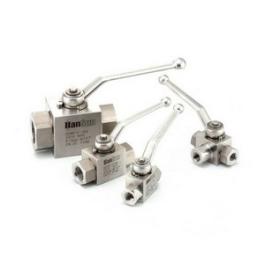
Hydraulic ball valves of DIN type with high pressure up to 7500 psi
Negotiable
Category: Machinery & Equipment/Valves/Ball Valves
Company: Younglee Metal Products Co., Ltd
Product Description: Hydraulic ball valves are the featured product of our industrial valves factory. This product is widely used in water and oil applications in hydraulic systems. They are available in 2-way, 3-way and 4-way configurations and a variety of materials, sizes and port styles.   Features/advantages:   Available in dimensions from 1/4" to 4"   Full bore hole reduces clogging     Material available in carbon steel and stainless steel, duplex steel. 90° Rotating opens or closes valve quickly Working Pressure is from 250 PSI up to 10,000 PSI depends on sizes and material. As most of the hydraulic ball valves are used for high pressure applications, so they are called high pressure ball valves also. End connection types include NPT, SAE, BSP, BSPP thread Float ball design provides bi-directional isolation Supplied with wetted parts according to NACE MR0175/MR0103     Applications:   Suitable for general hydraulic applications for below industries: • Plant Automation • Machine Tools • Marine and offshore • Material Handling • Mining • Miscellaneous Industrial • Miscellaneous Manufacturing • Molding • Oil & Gas • Power Generation • Vehicle Assembly Facilities   Main types of hydraulic ball valves   2-way block body hydraulic ball valves block body 3-way hydraulic ball valves block body 4-way hdyraulic ball valves Hydraulic Manifold Connection types of hydraulic ball valves High pressure hydraulic ball valves are supplied usually with connection types as below:     Thread ends: Female thread or male thread of BSP, BSPP or NPT type, to connect the hydraulic tubing with threads. SAE flanged ends: to connect with SAE flanges. Welded connection ends: Including socket weld and butt weld type DIN connections: 2-way hydraulic ball valves with din connection  Board type: 2-way and 3-way board type ball valves Mineral quick connections. more>
Send Inquiry

BOSCH OEM new control valve FOOVCO1045 suit to Mercedes-Benz,Mercedes ML 270 E320
Negotiable
Category: Machinery & Equipment/Valves/Control Valves
Company: Shenzhen Shumatt Technology Ltd.
Product Description: Product Details: ·Part Number:F00VC01045 ·For:0445110 series  ·Car model:Mercedes-Benz,sprinter,Mercedes ML 270 E320 ·Engine model:OM612.981DELA,CDI,T1N,216,316,416,616 Product Service: ·6 months warranty ·Each product is tested before leaving the factory to ensure that all products are suitable ·Stable performance, safety and stability, durable ·Delivery within 5-7 days ·Can provide invoice   Contact information: ·Shenzhen Shumatt Technology Ltd ·Phone:+86 755 23215133 ·Email:ruby@shumatt.com ·Wechat:8613410541523 ·Skype:cnshumatt ·Website:www.shumatt.com ·Facebook:shumatt diesel more>
Send Inquiry

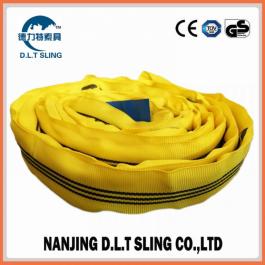
endless round sling ,WLL 3000KG , According to EN1492-2 Standard,CE,GS certificate
$1-100
Category: Machinery & Equipment/Packaging Related Equipment/Labeling Machinery
Company: NANJING D.L.T SLING CO., LTD
Product Description: Endless Round Sling Material: High tenacity 100% Polyester  Safety Factor: 5:1, 6:1,  7:1,  8:1 Length: As required   Color: Color code Certificate:CE/GS Standard: ISO4878,  EN1492-2,  ASME B30.9, AS 4497  Characteristic: PU impregnated ,WLL & Length printed,Low elongation Package:Single packed in shrinking foil or plastic with Certificate of Conformity. more>
Send Inquiry